«Cómo hacer un lugar», Sally Woodbridge
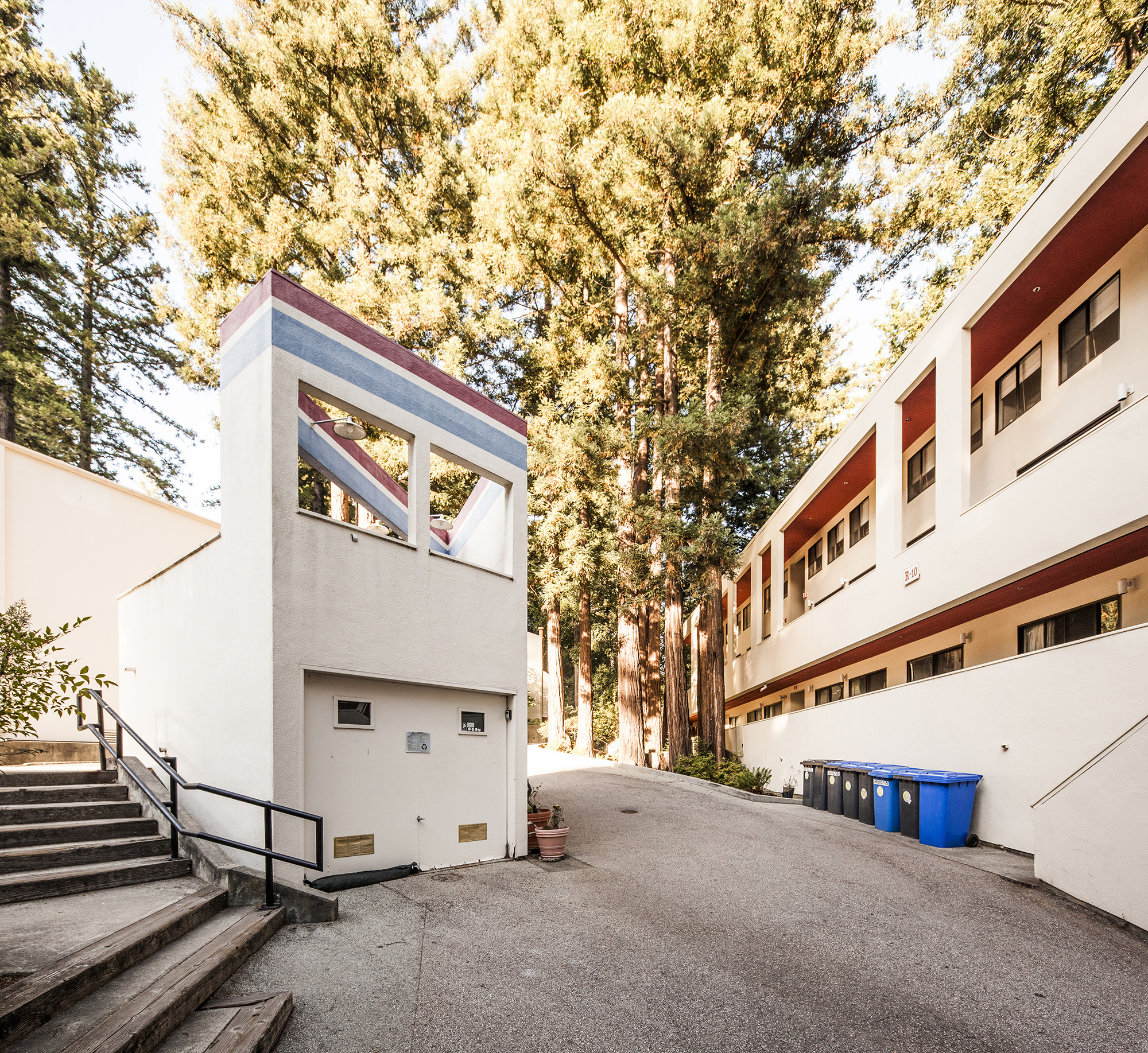
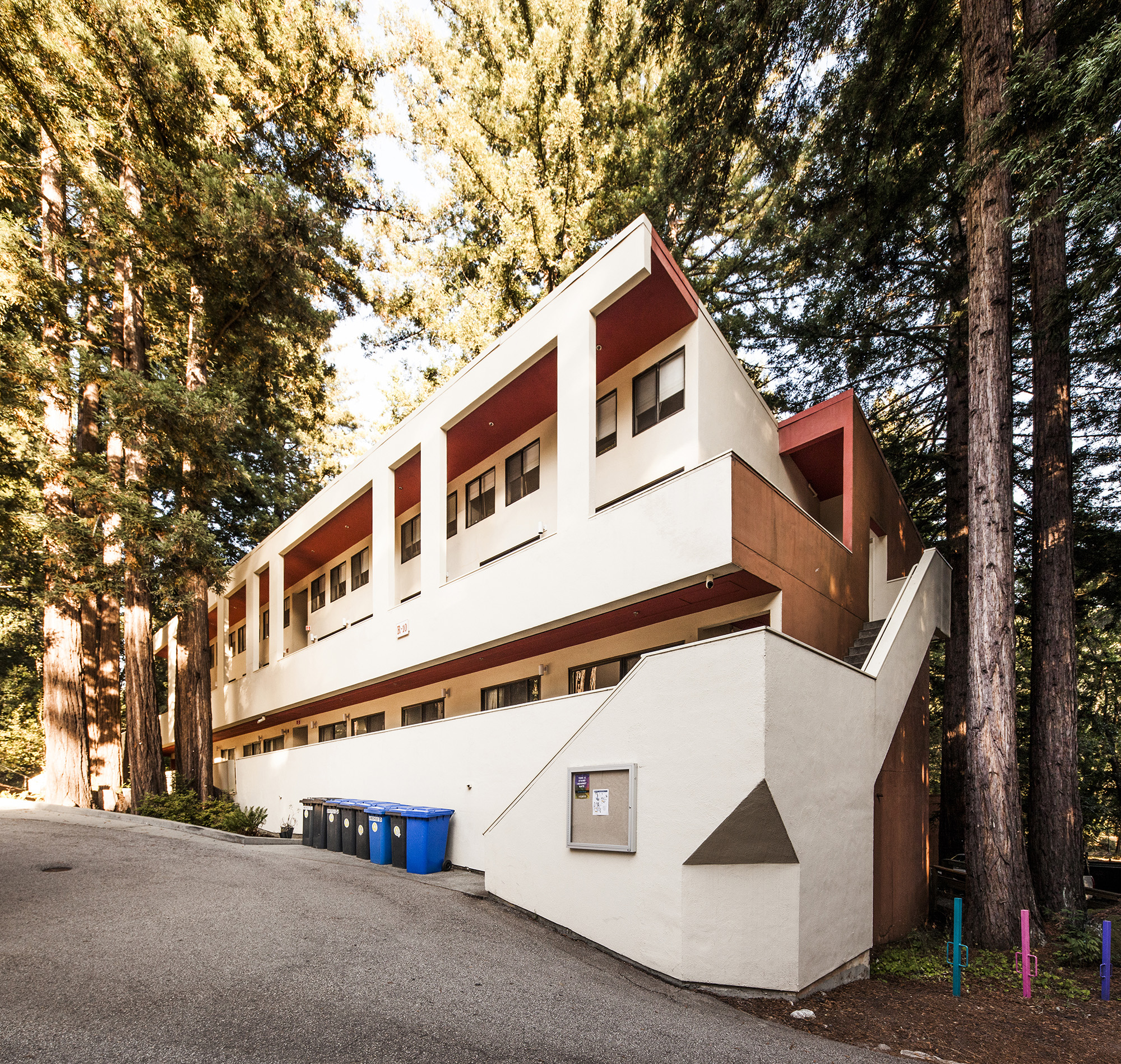
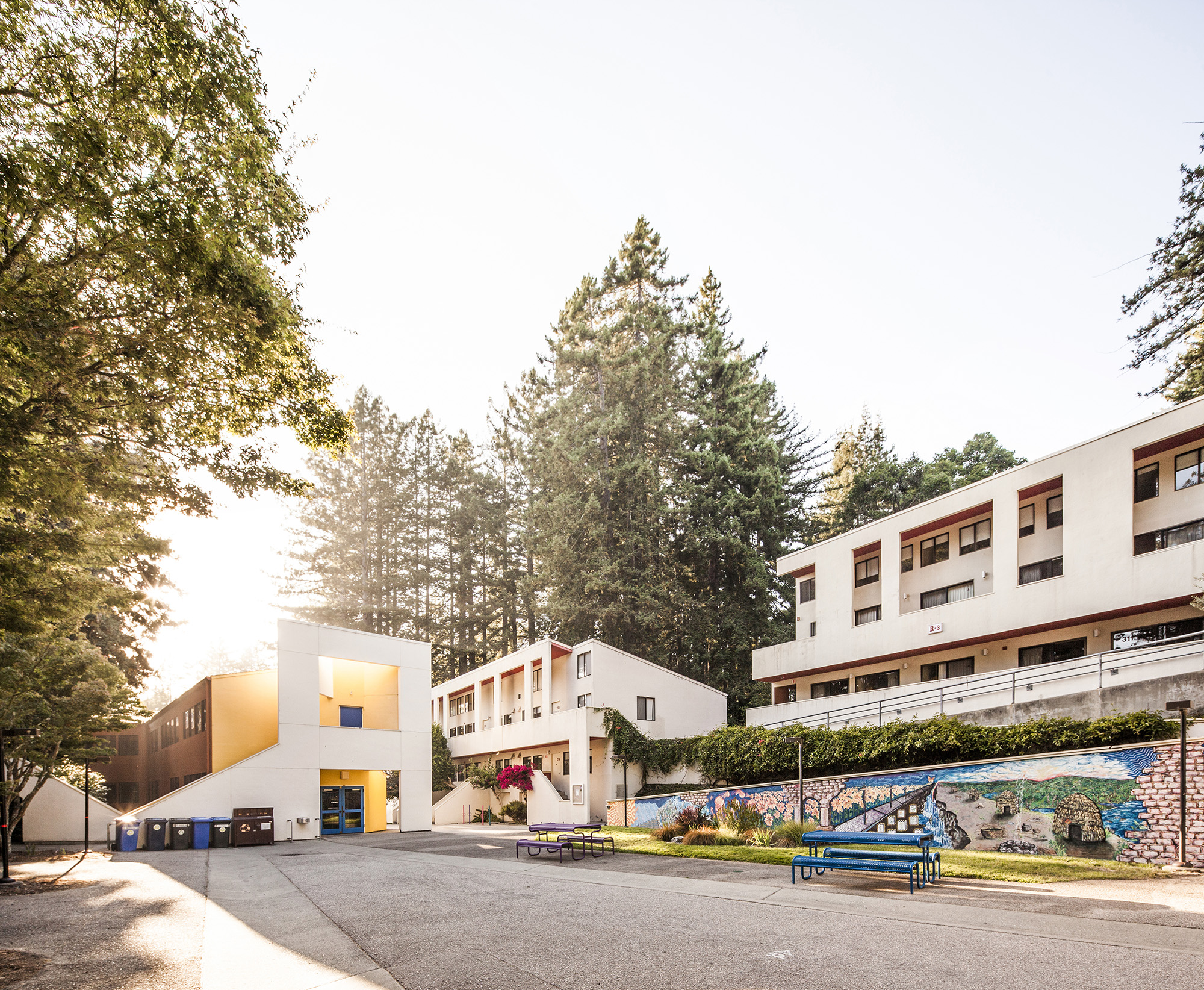
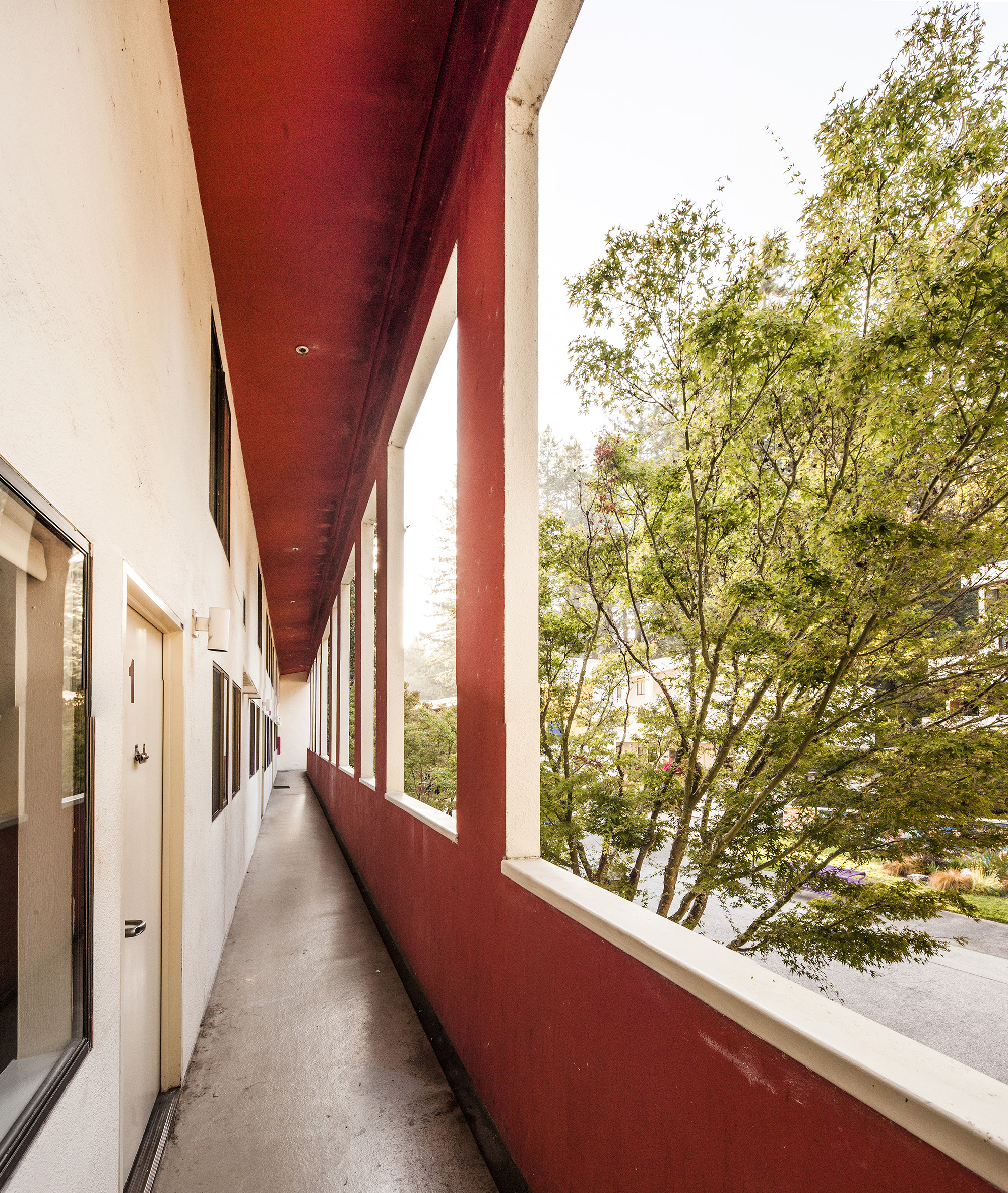
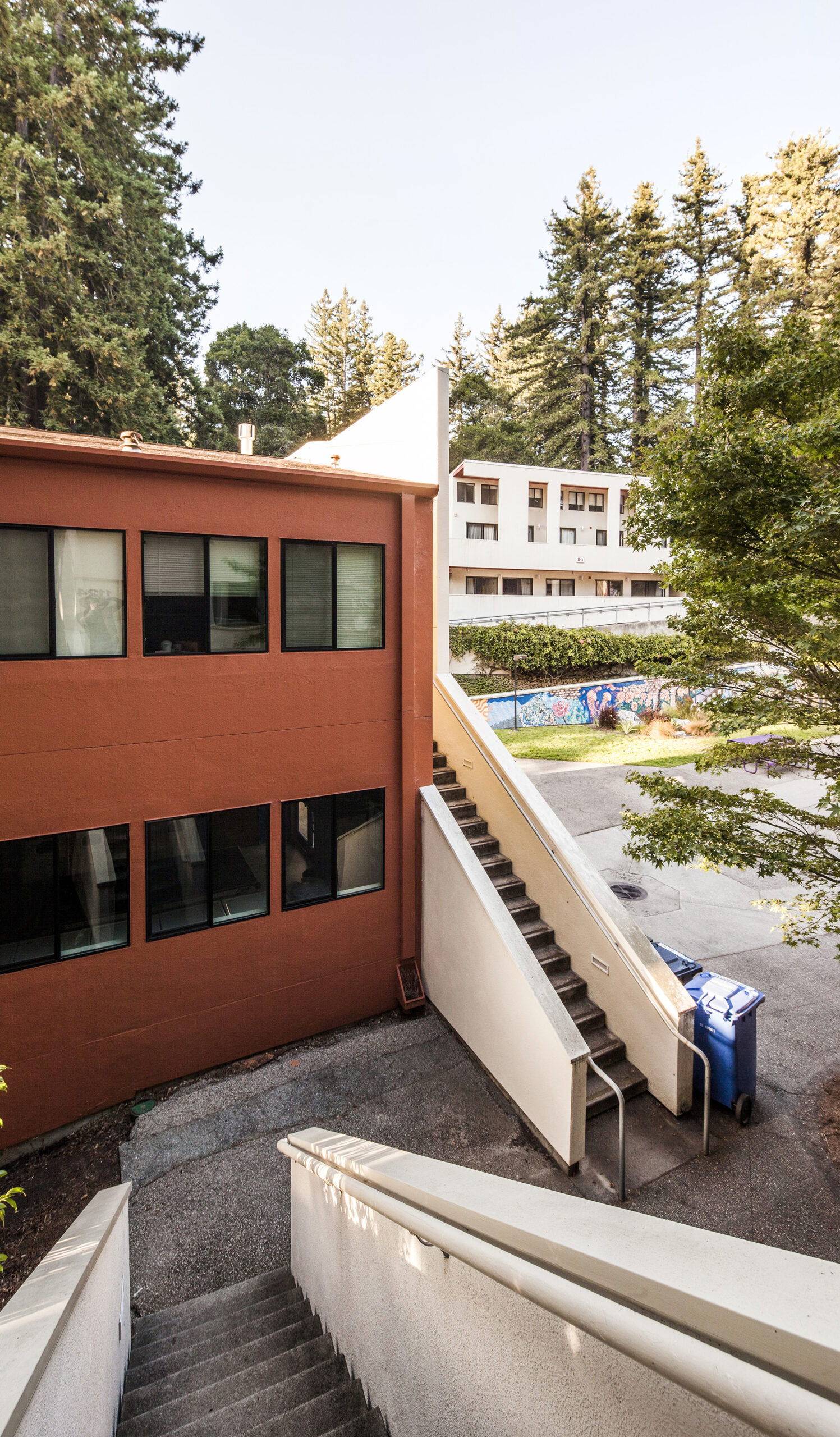
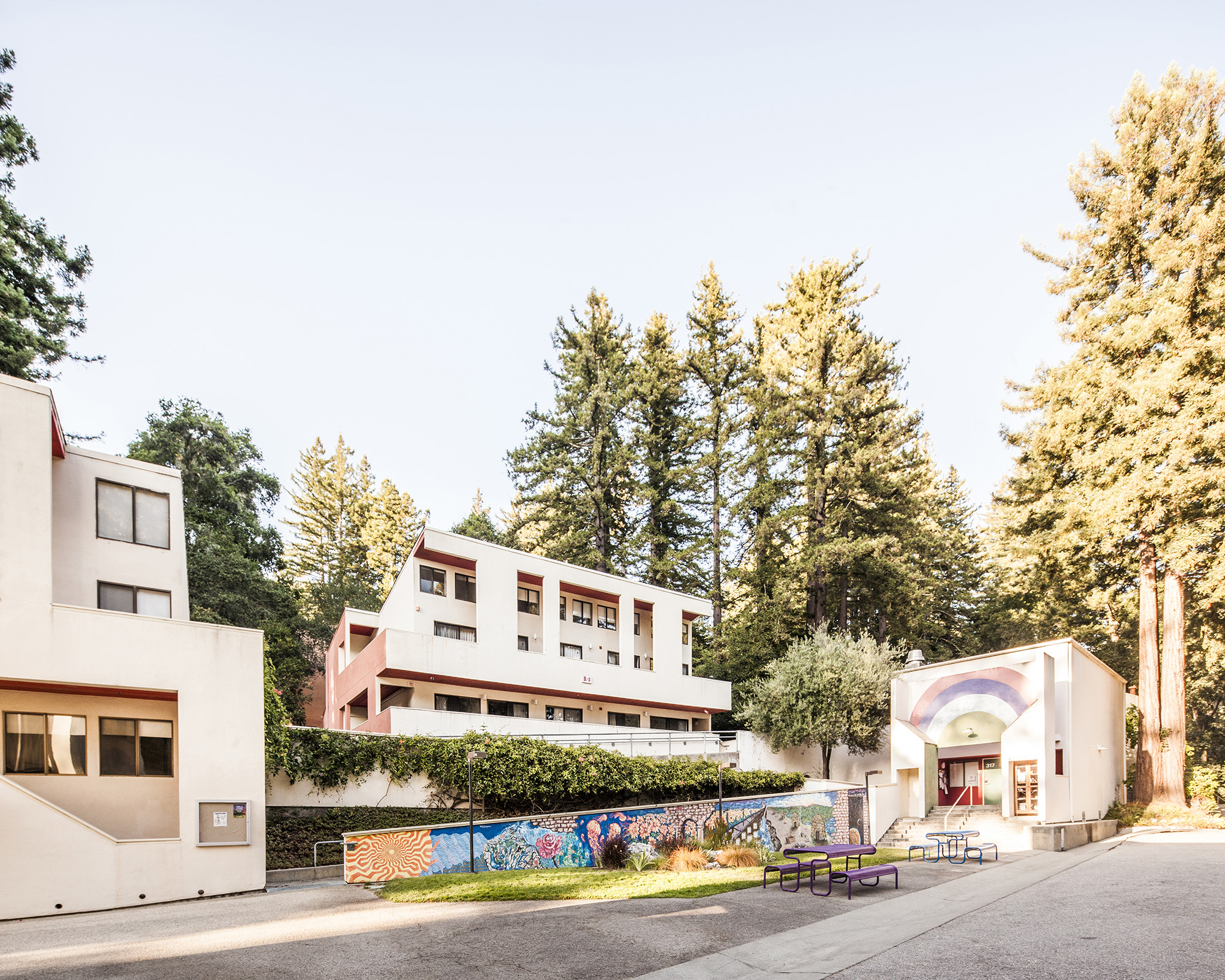
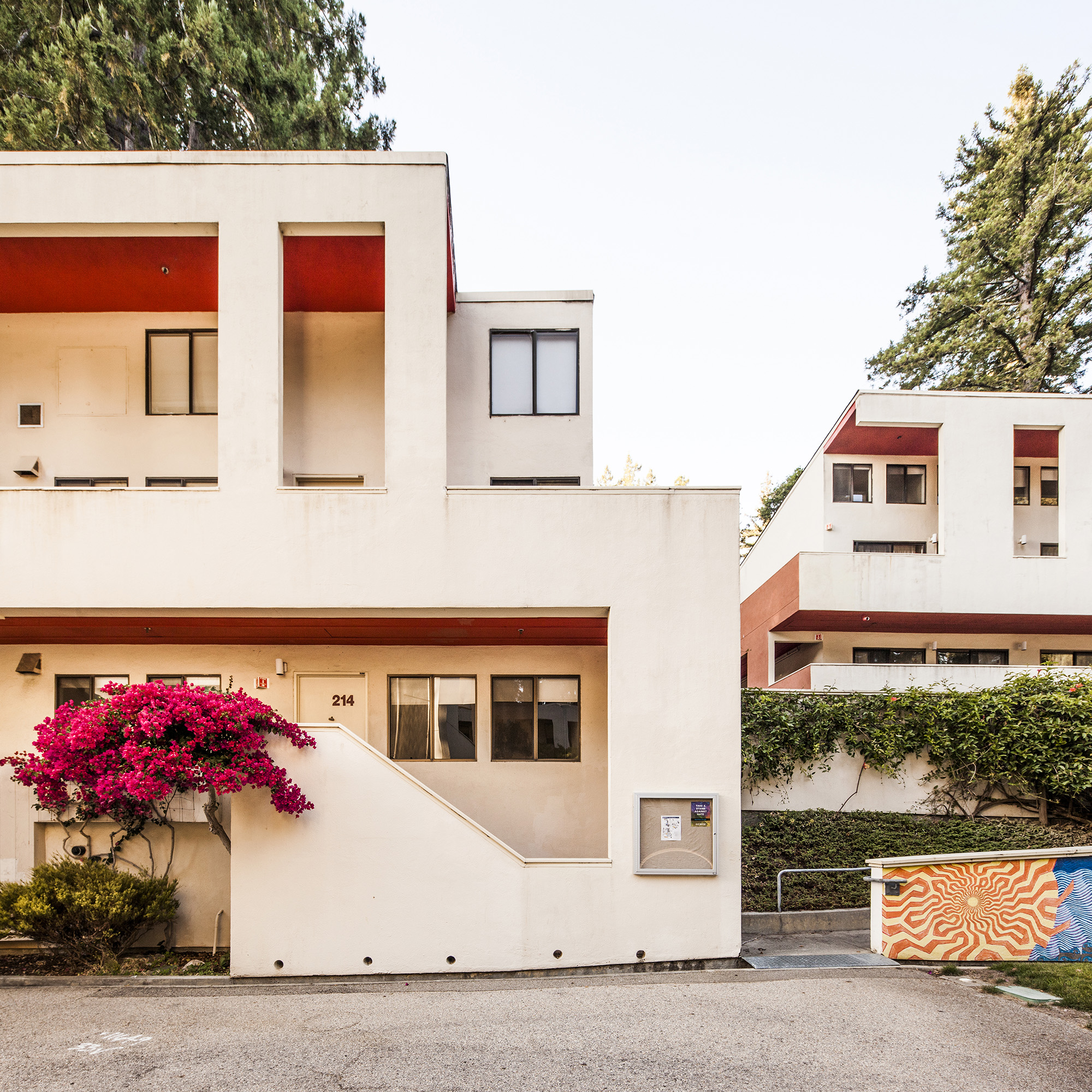
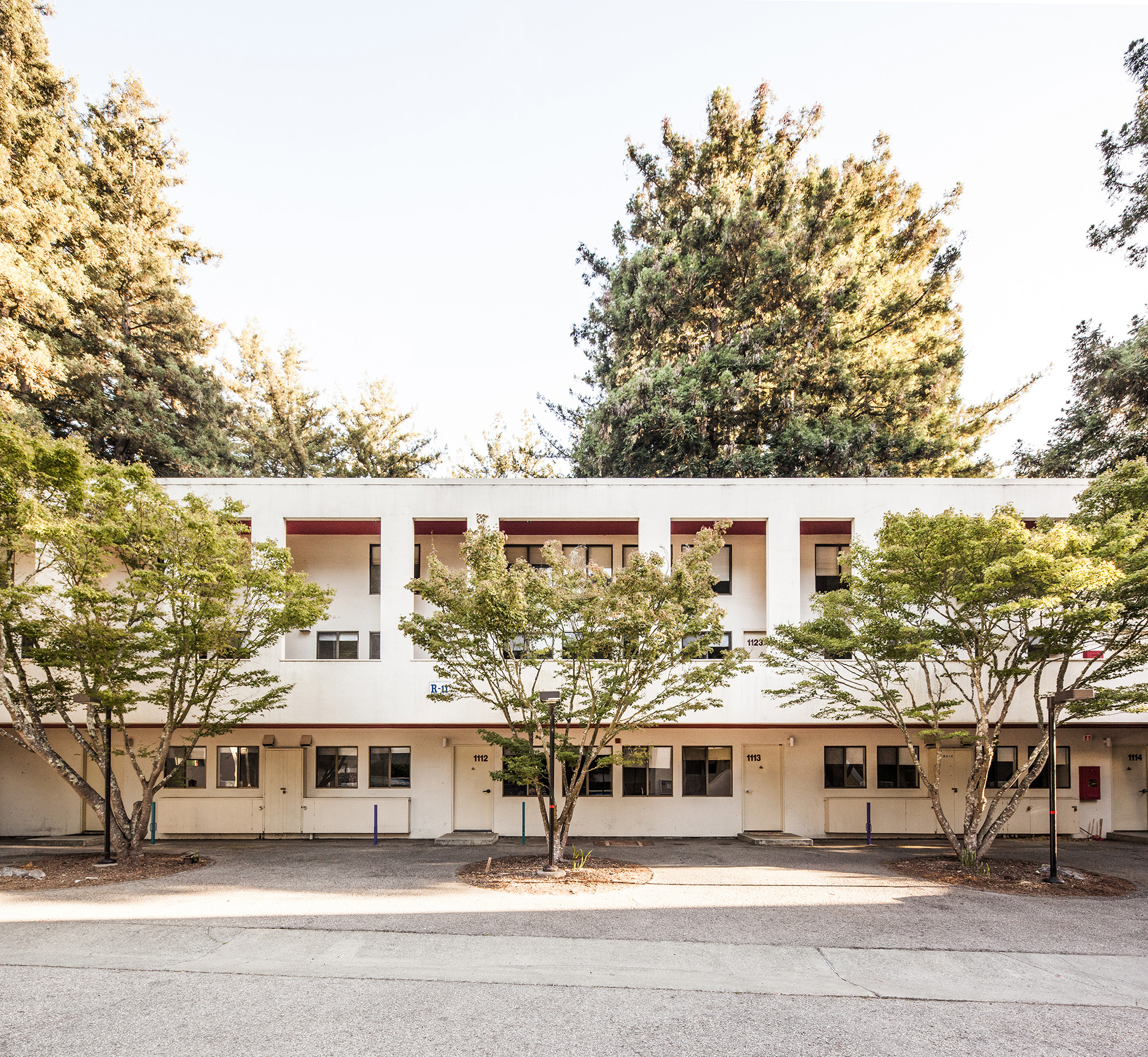
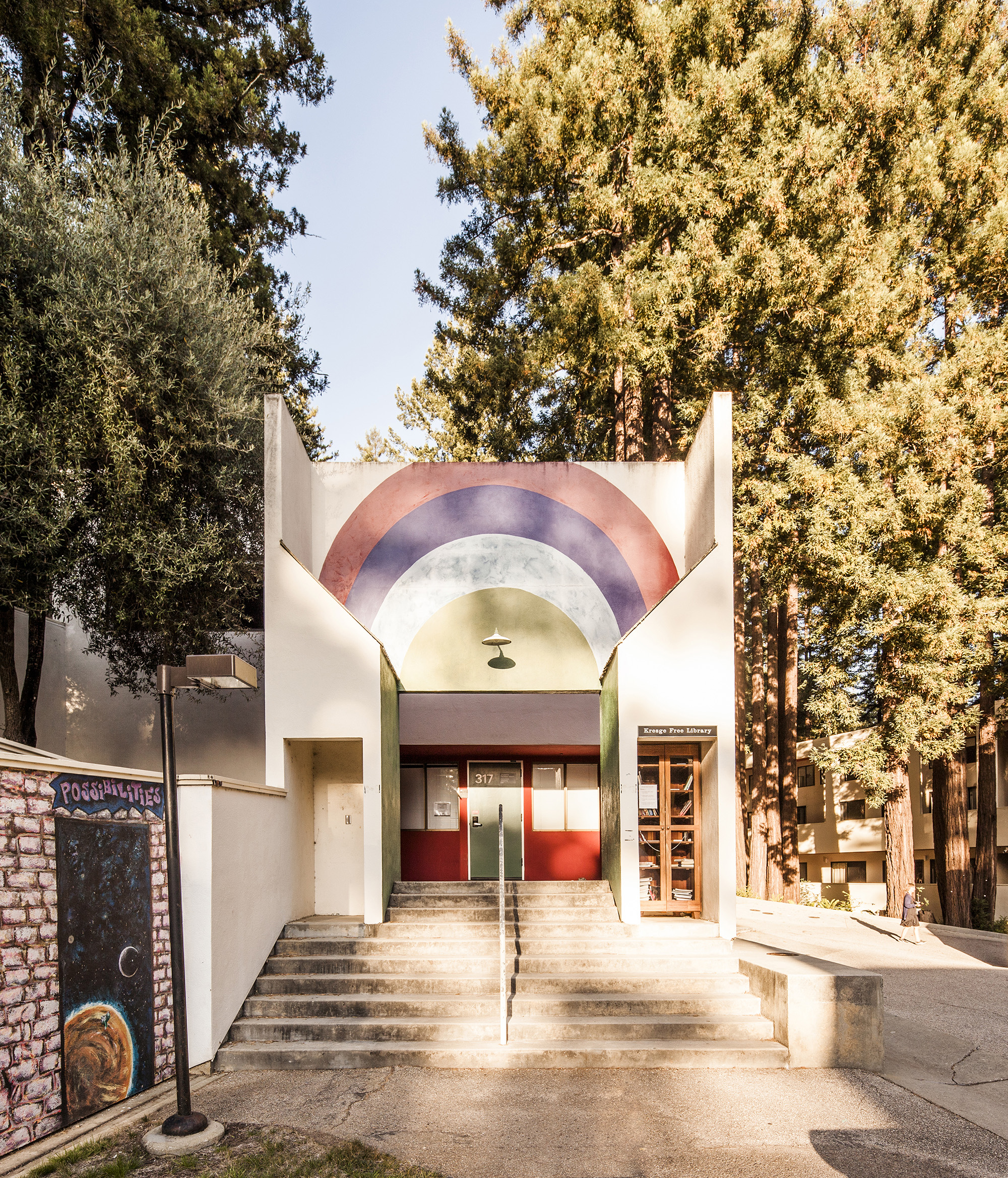
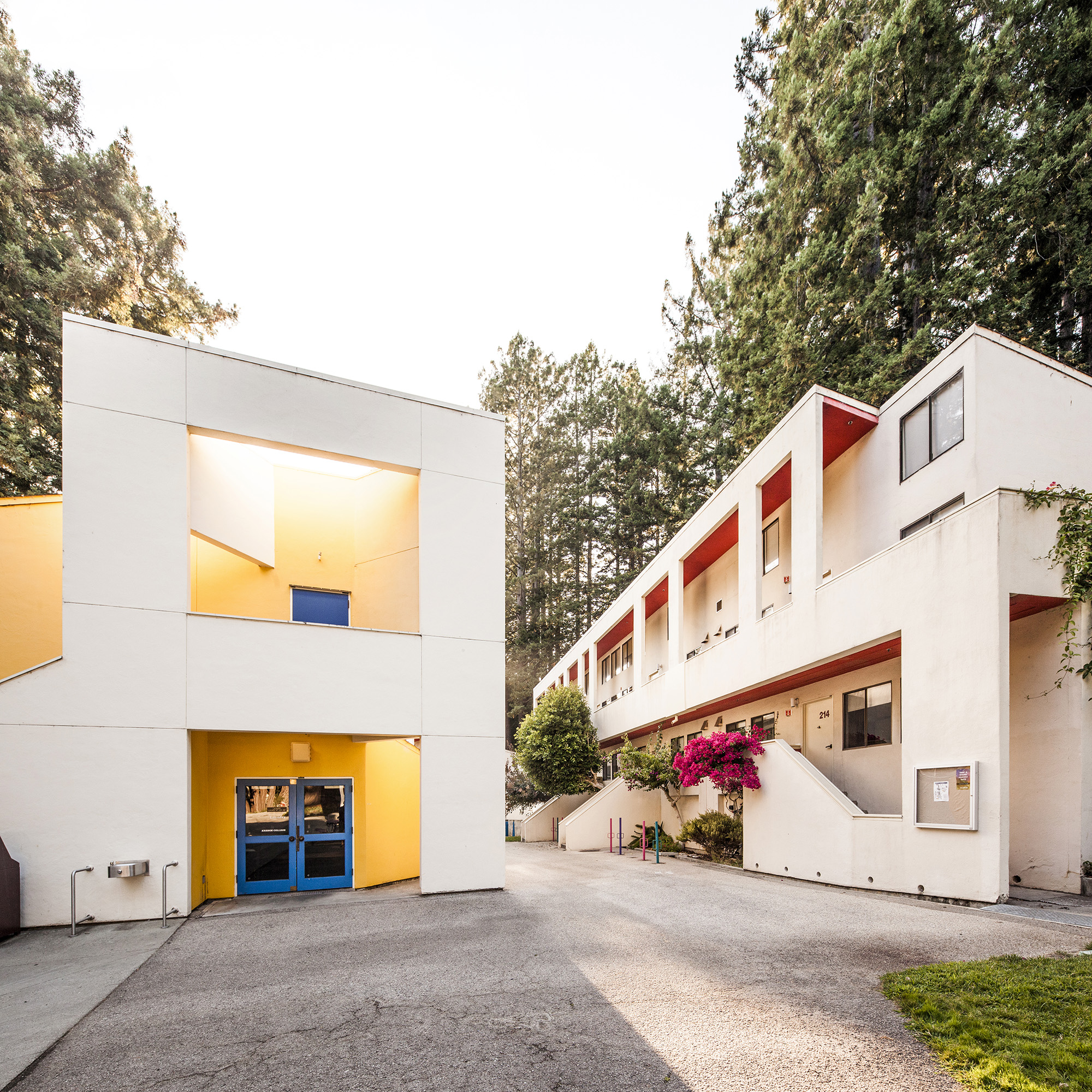
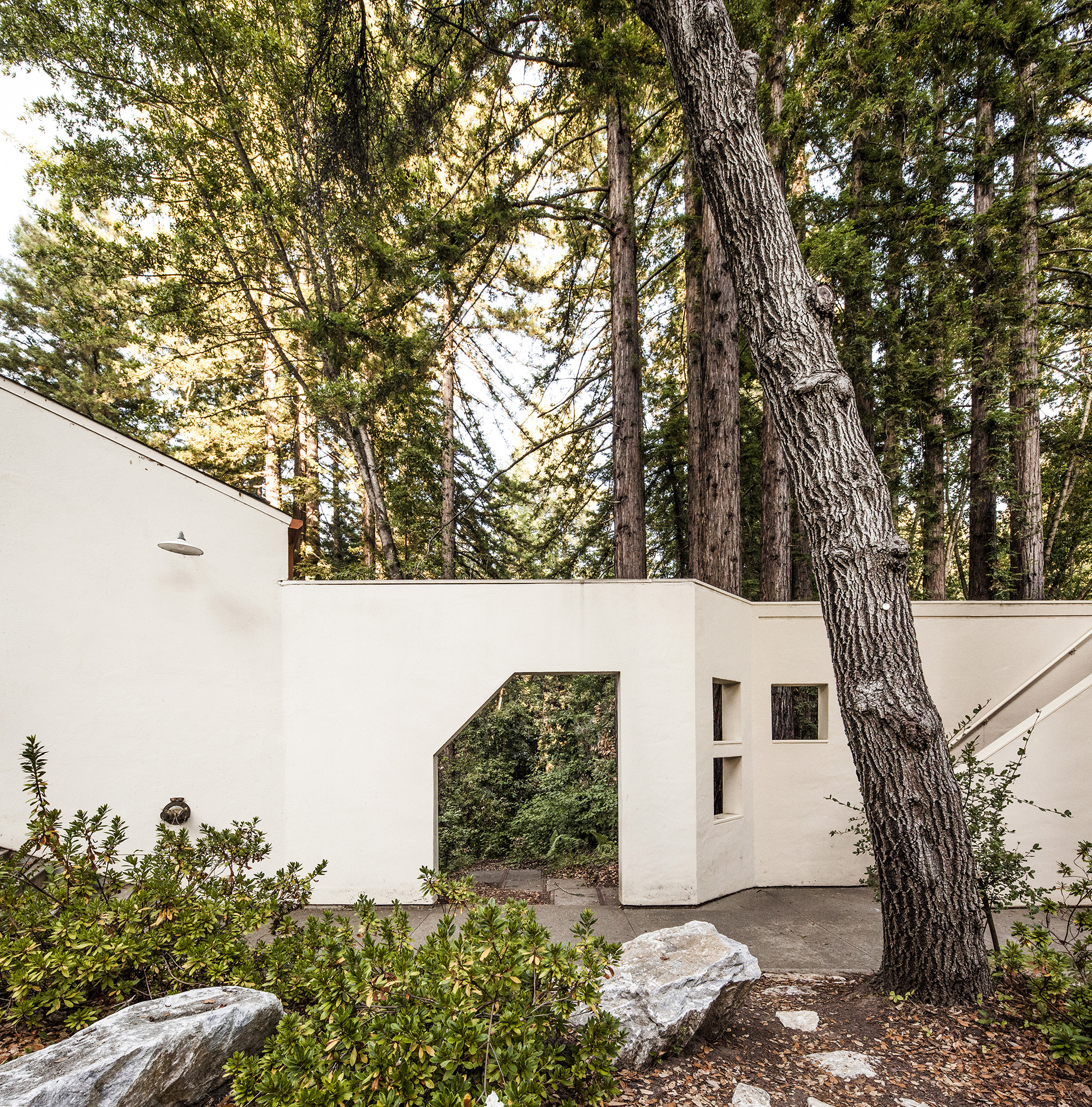
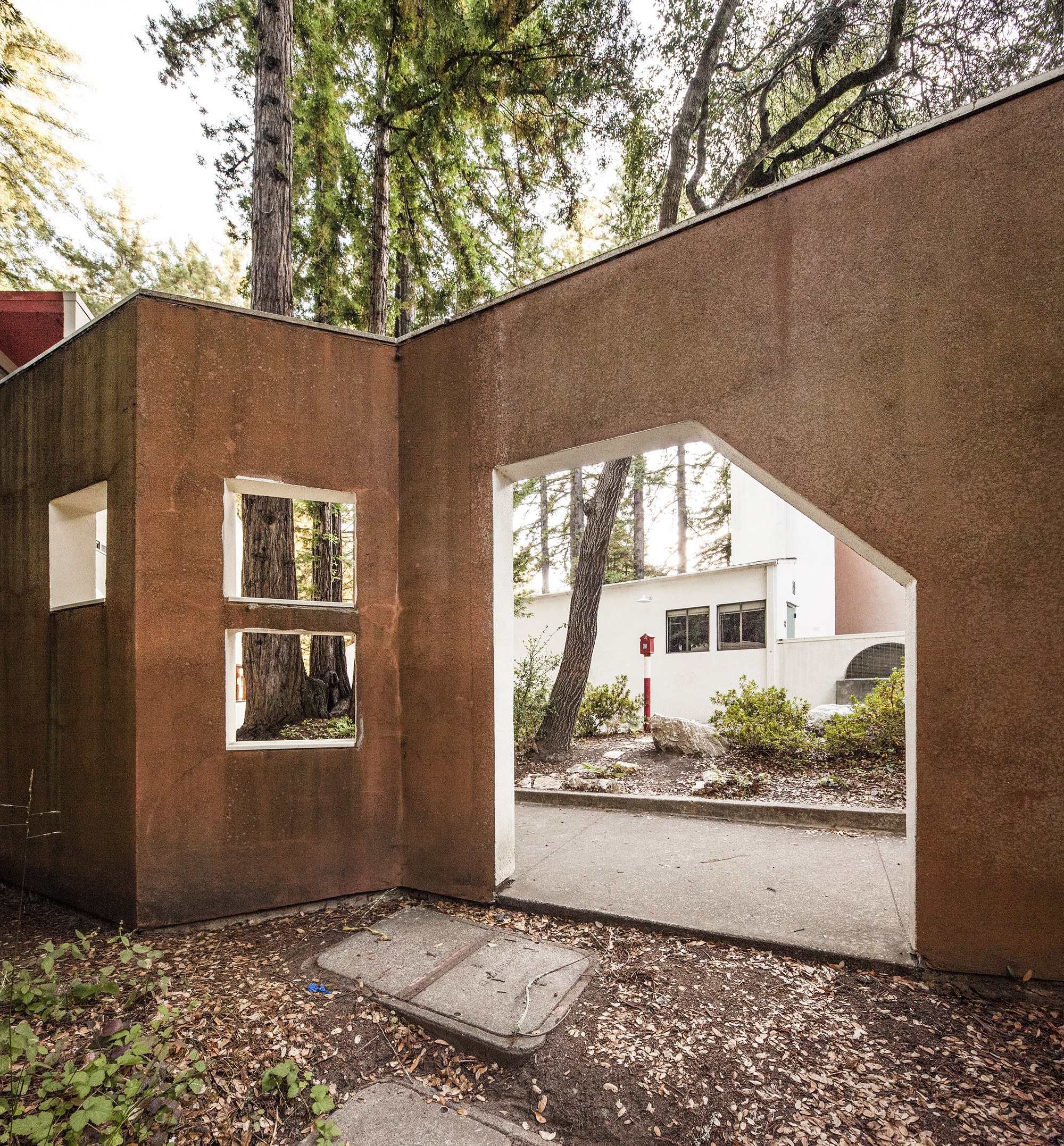
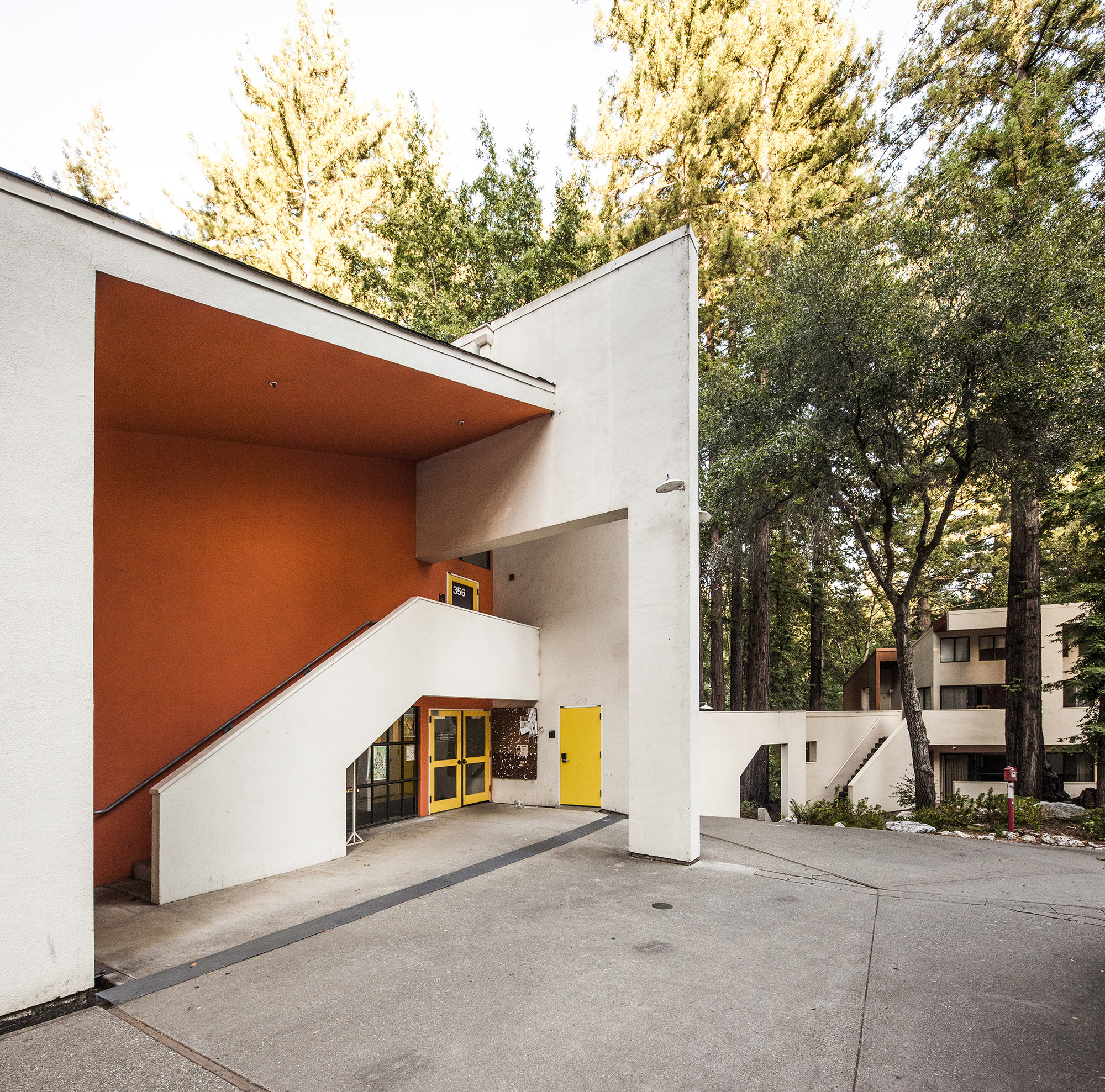
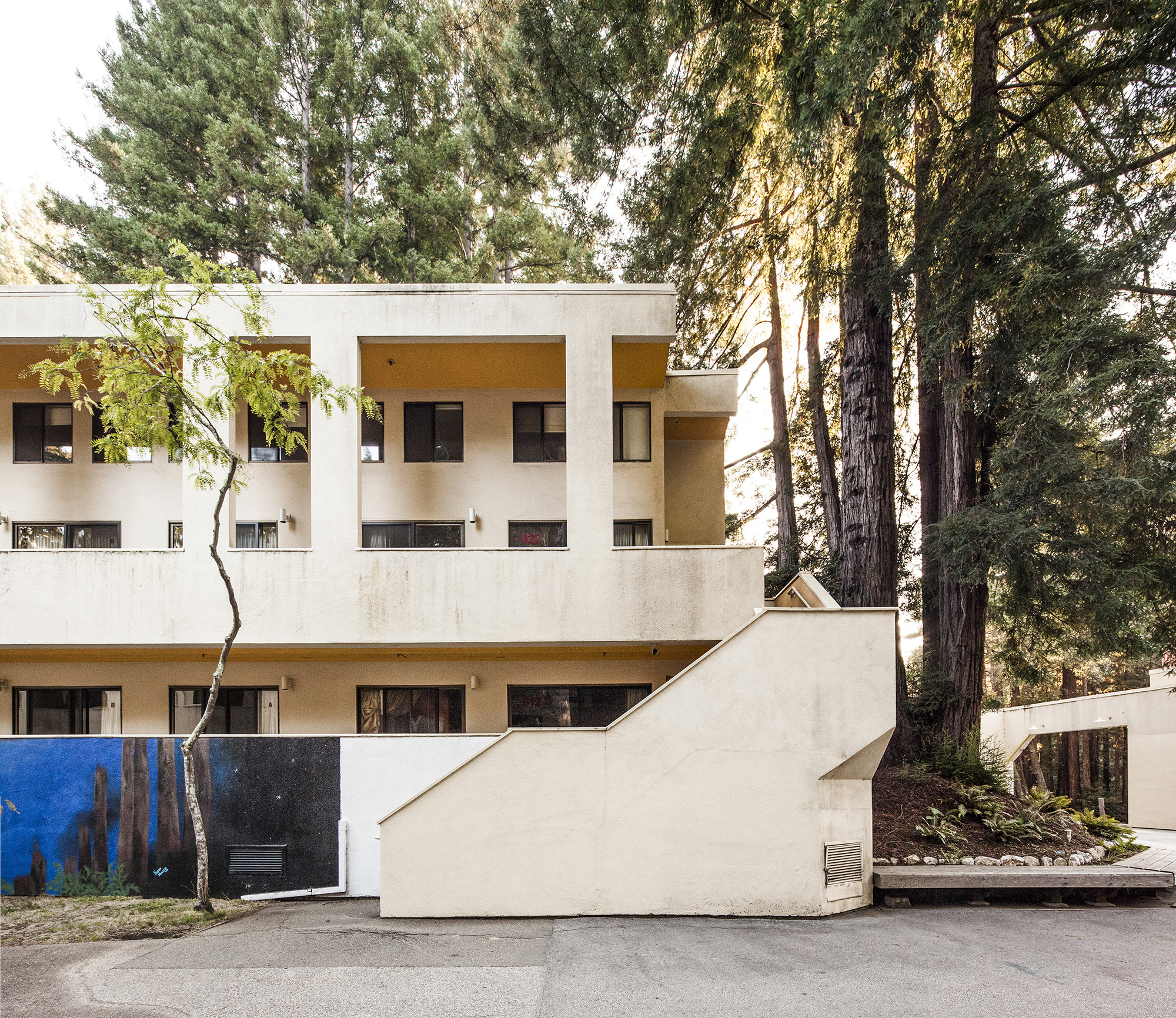
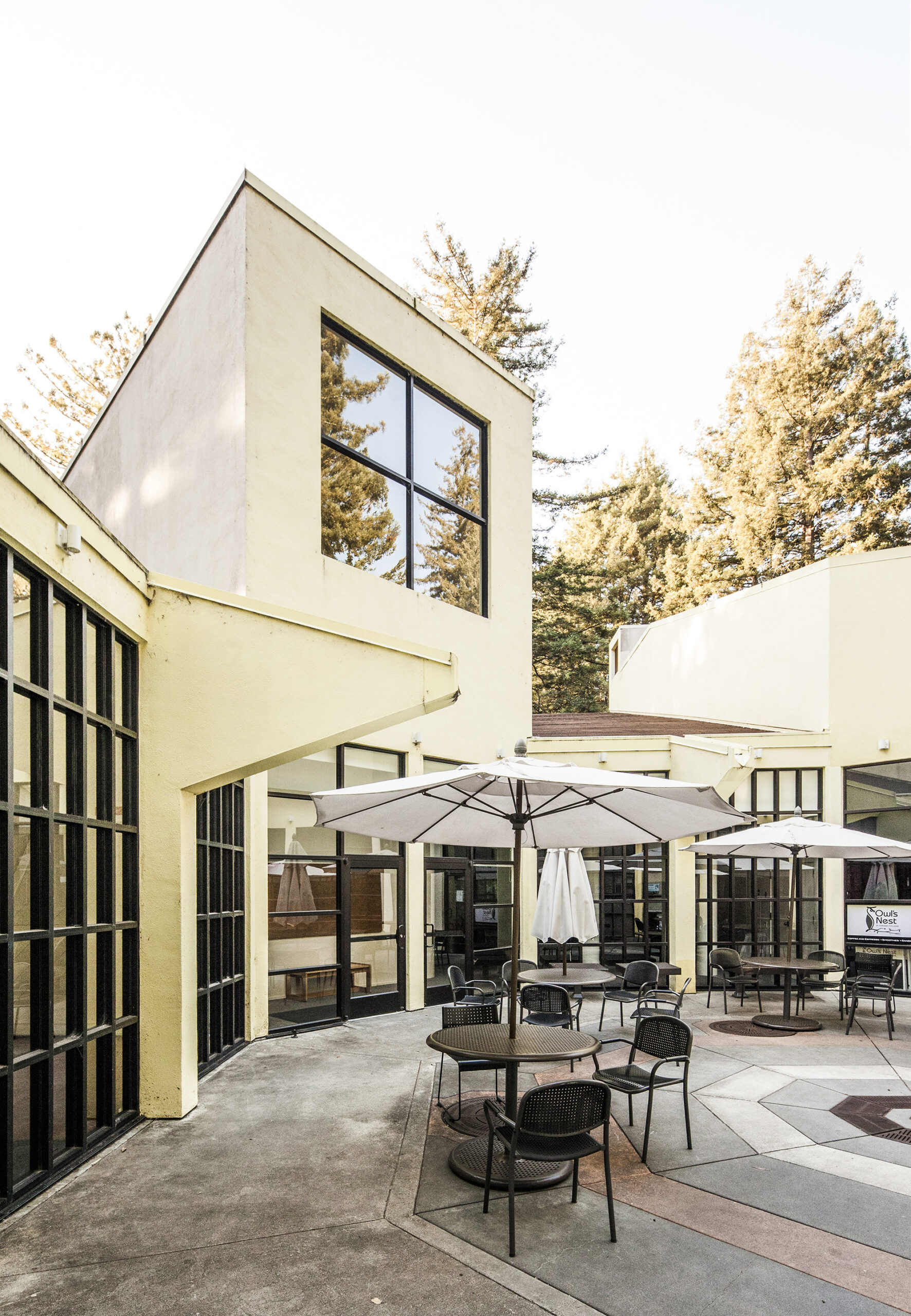
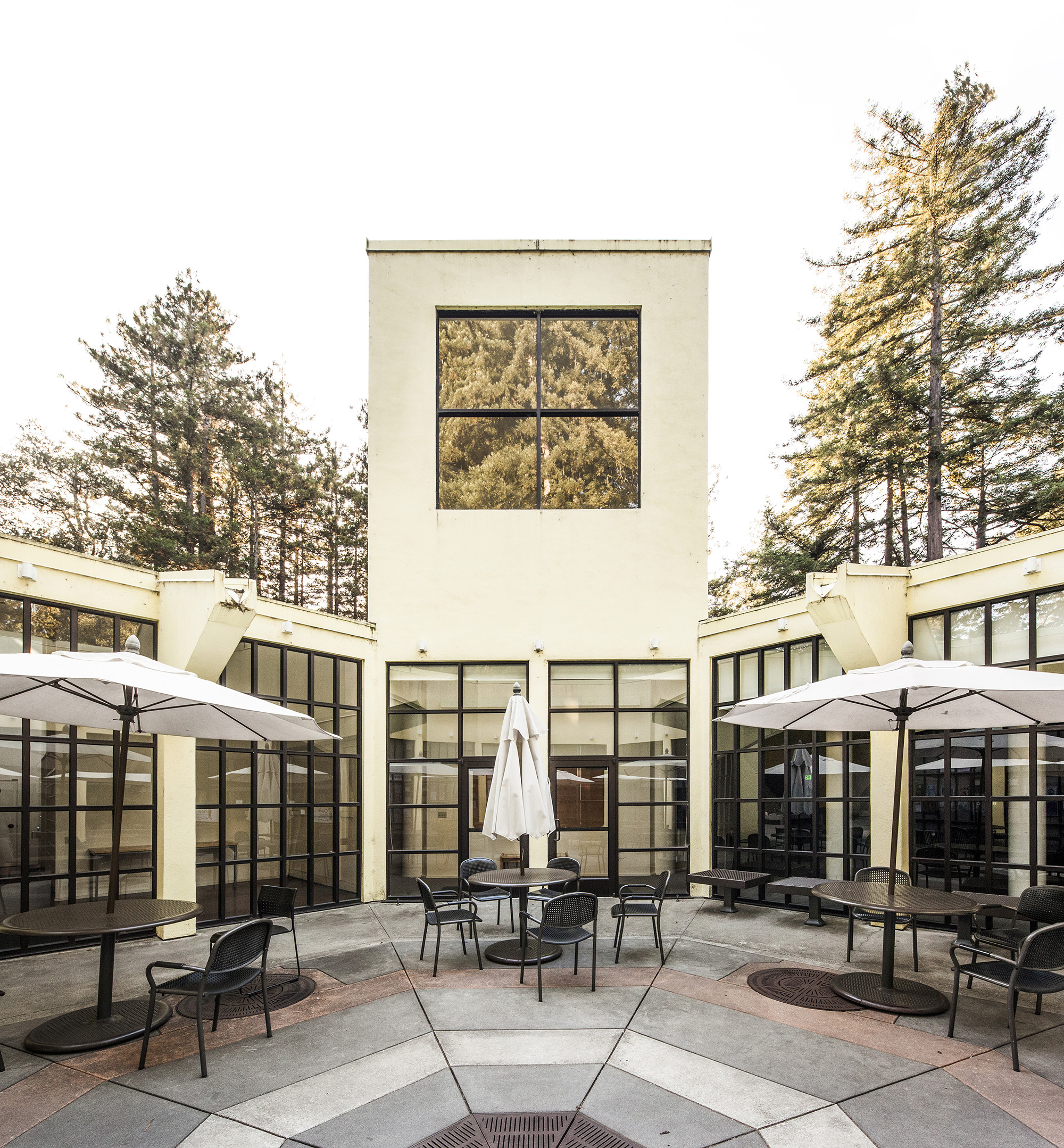
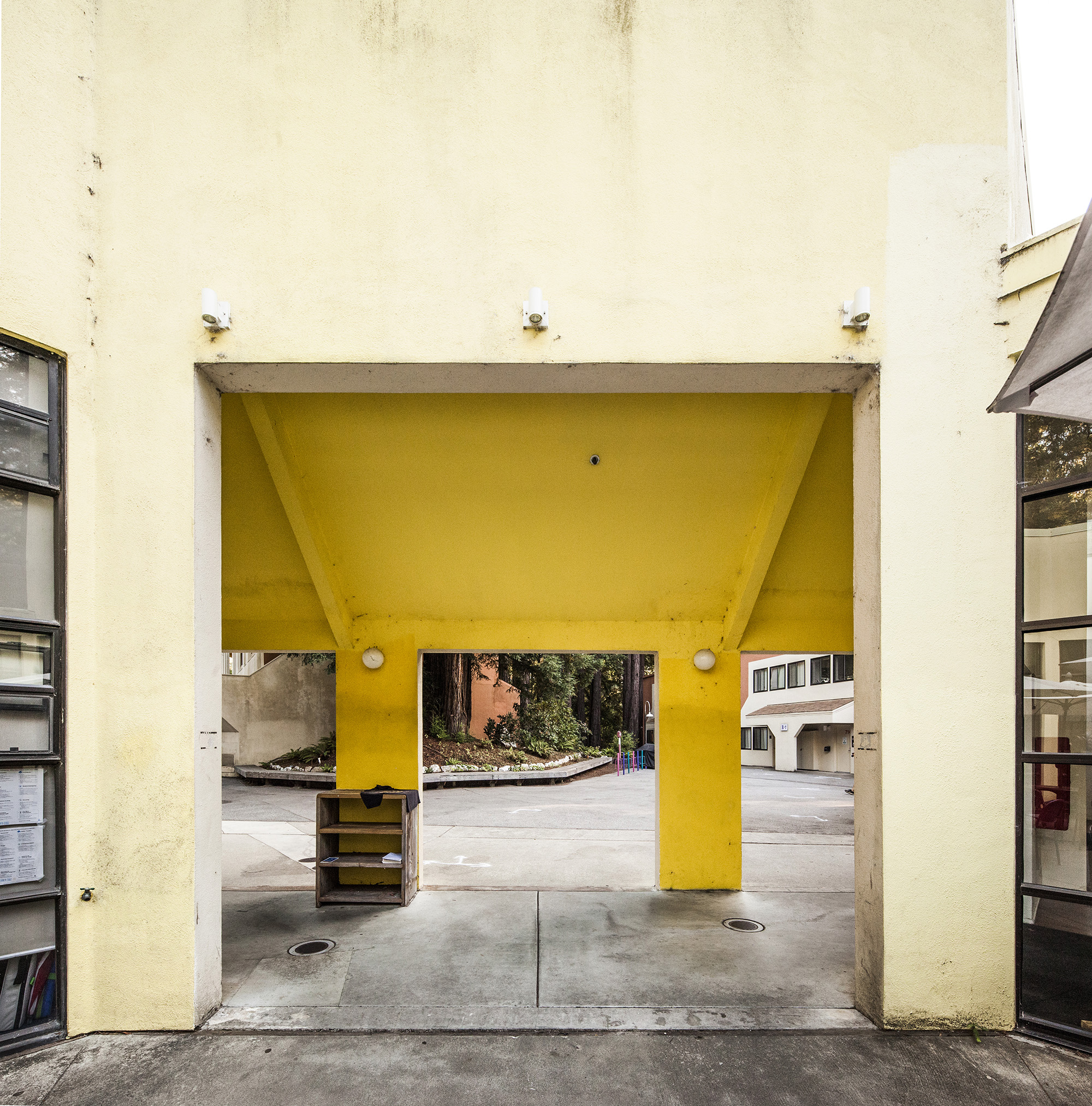
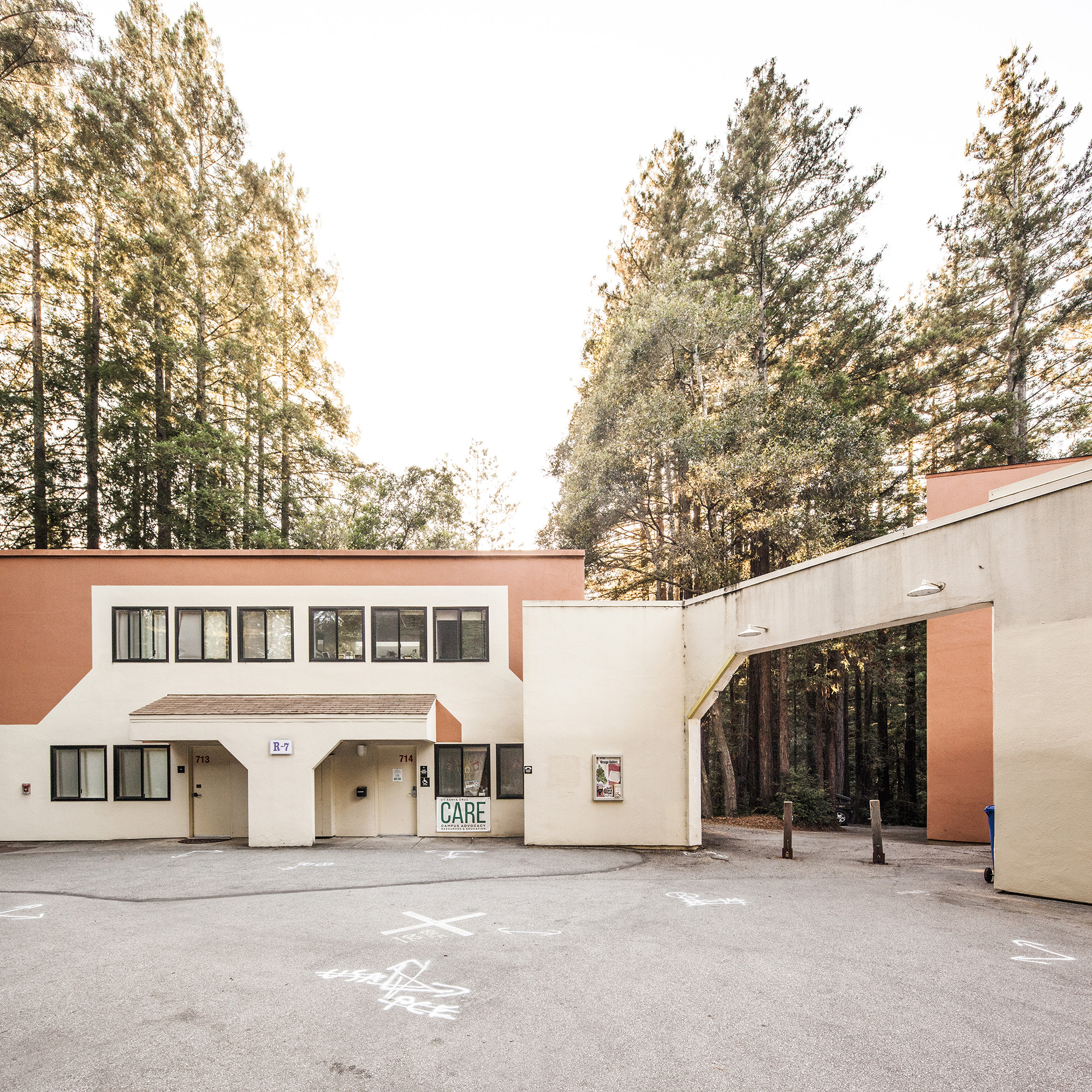
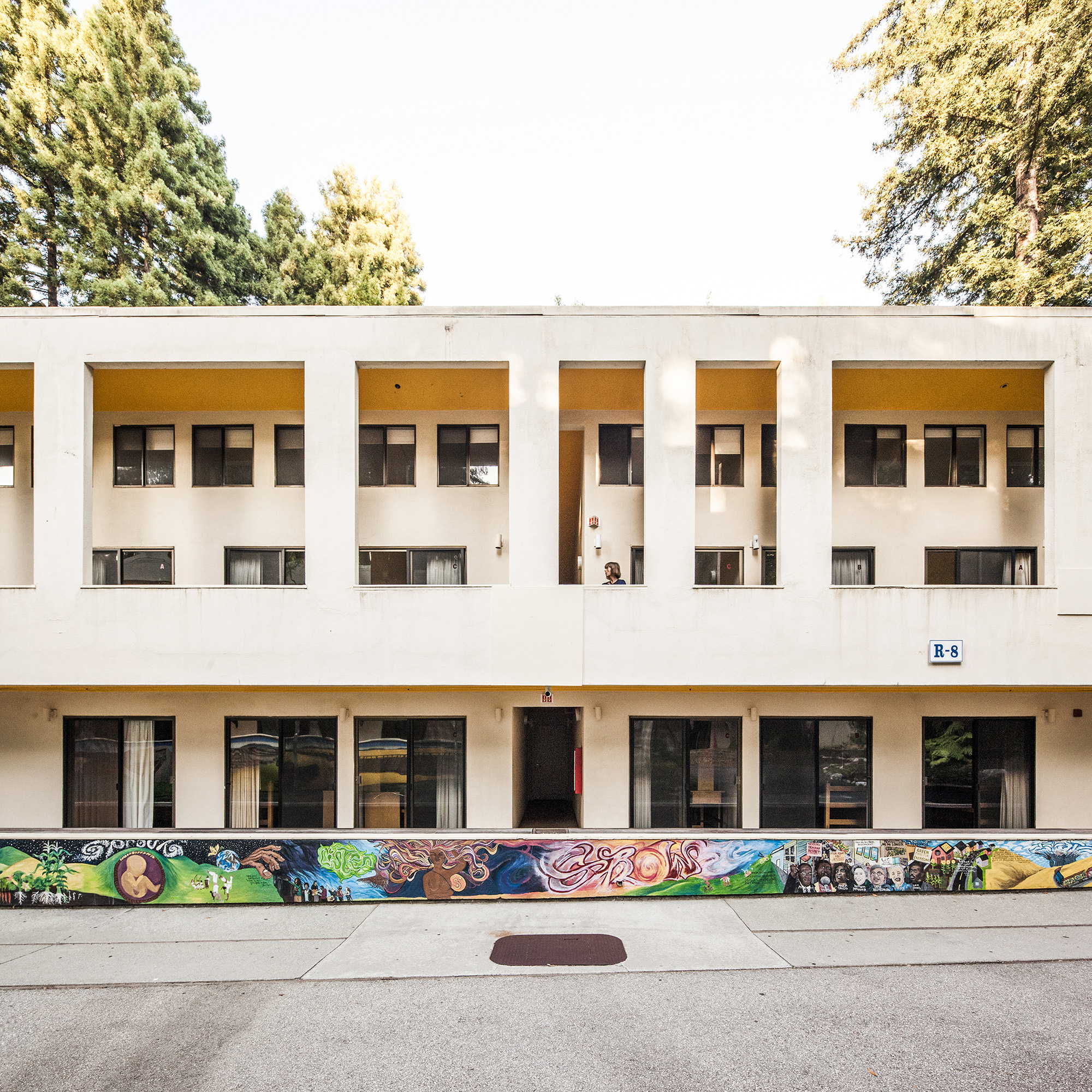
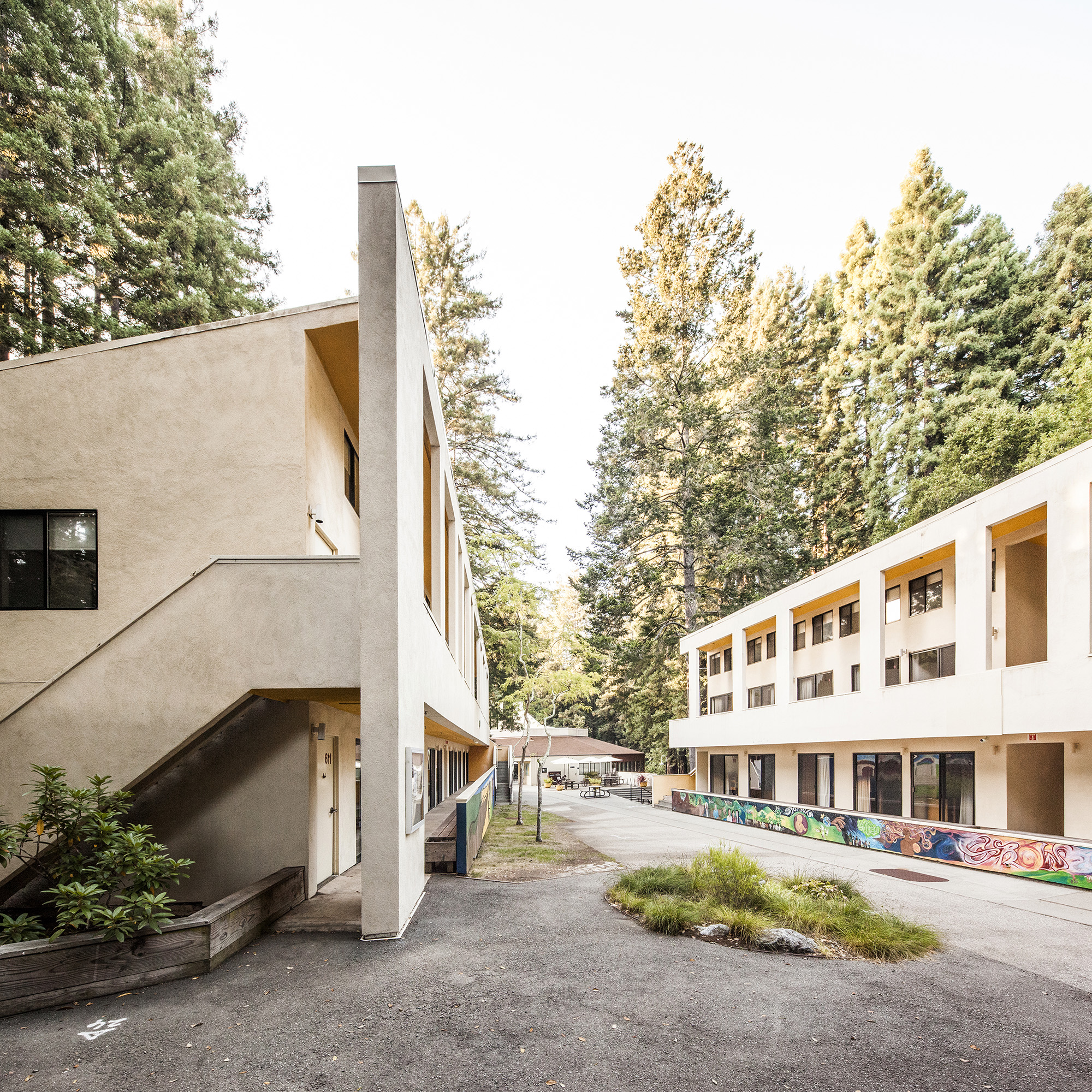
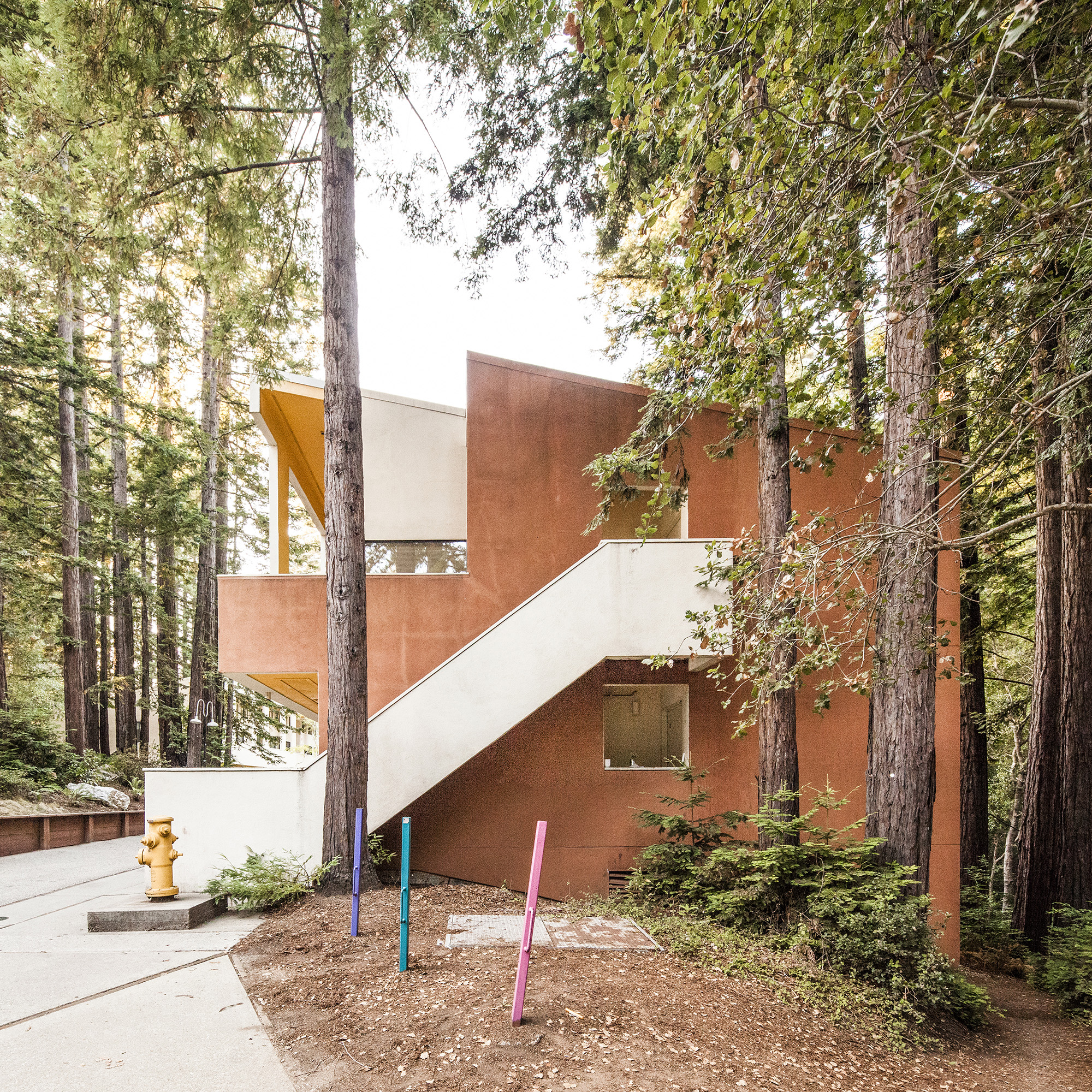
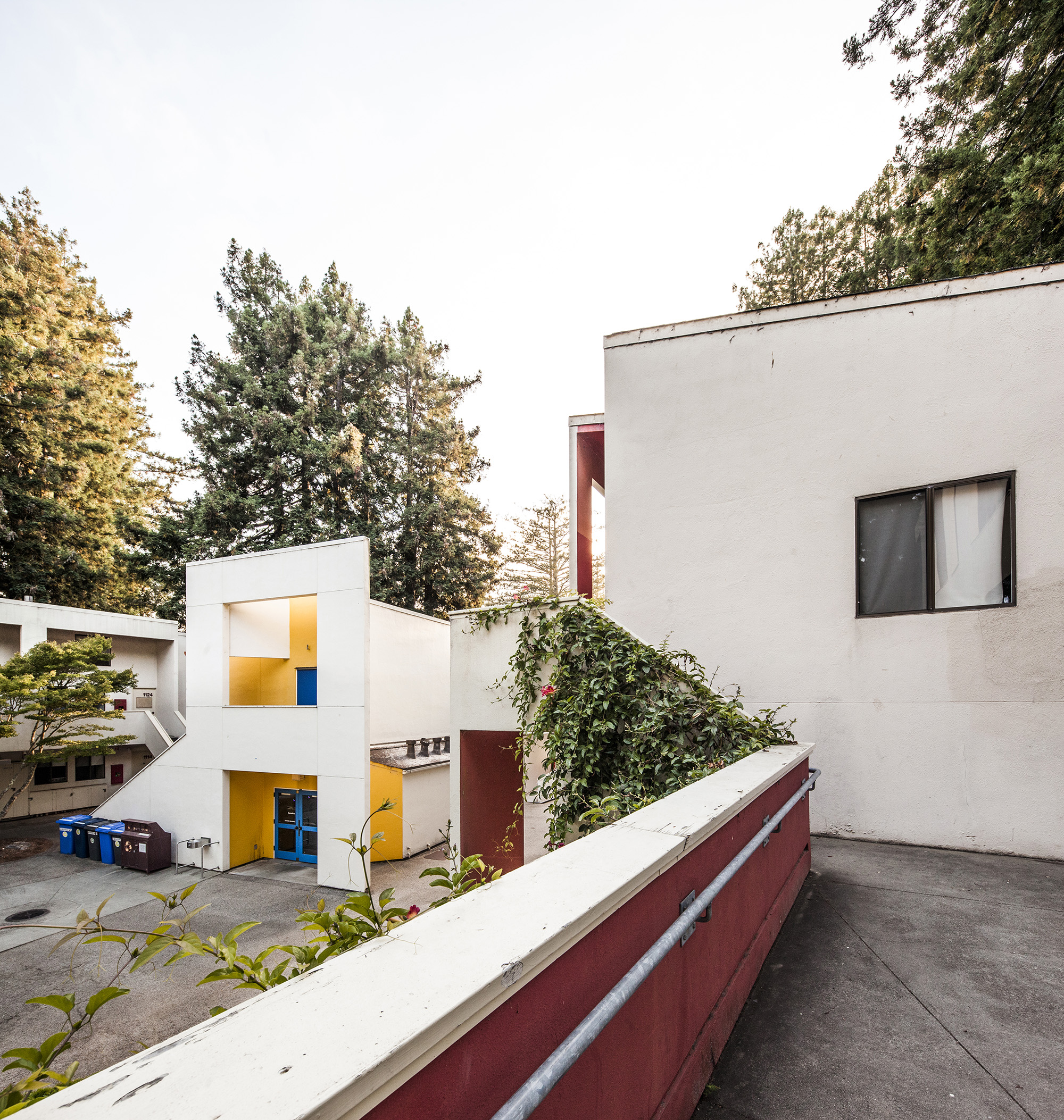
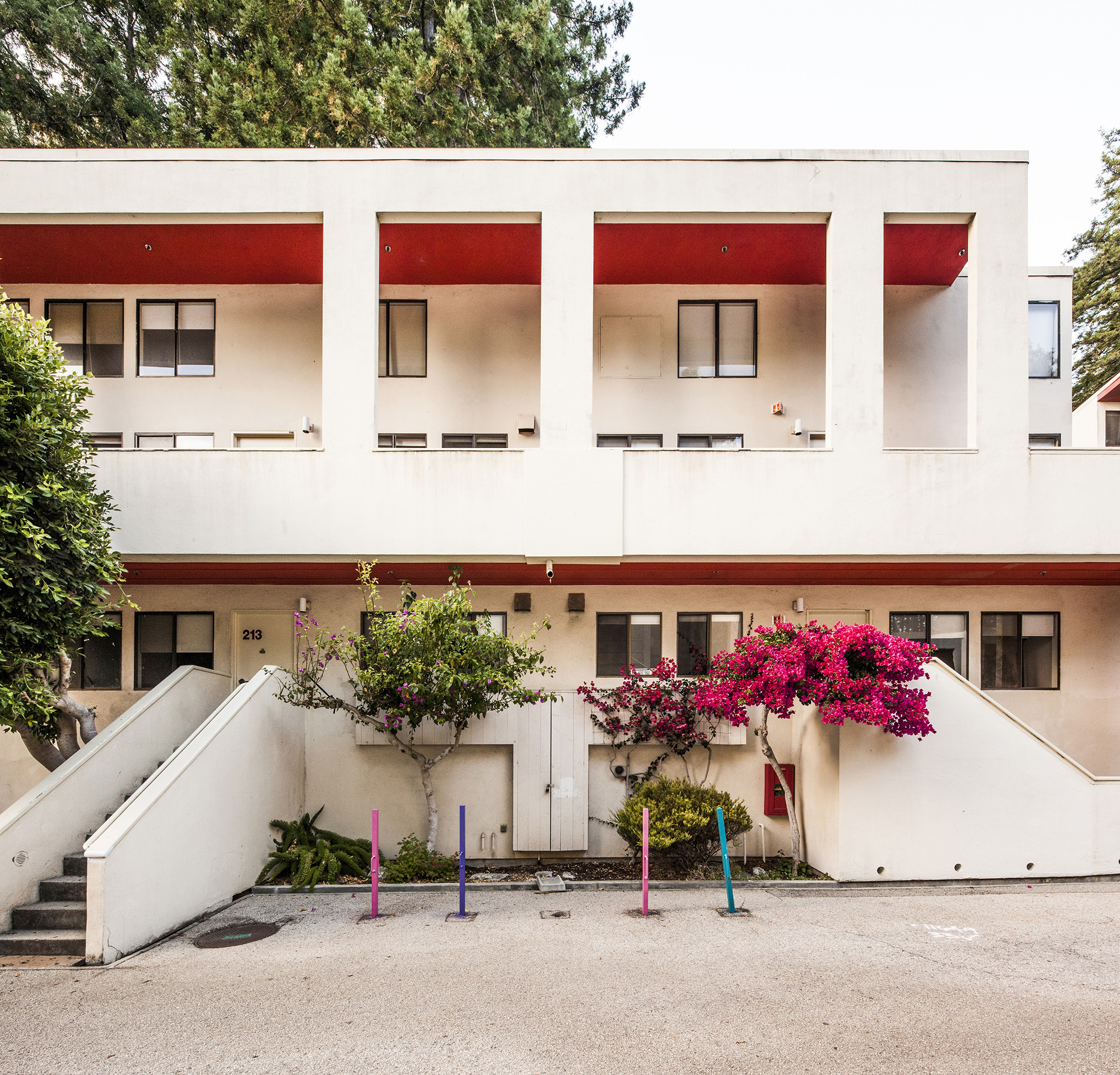
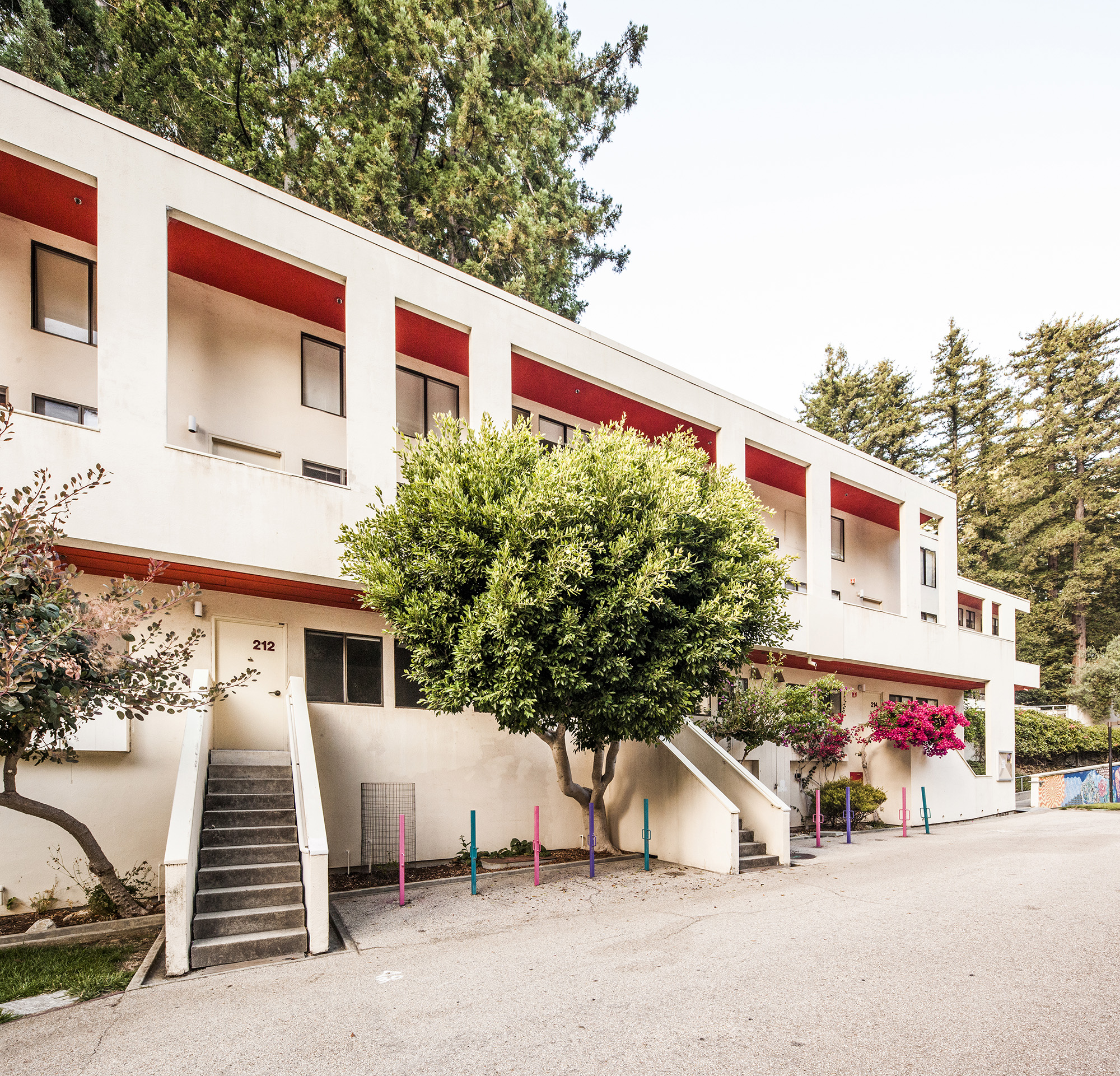
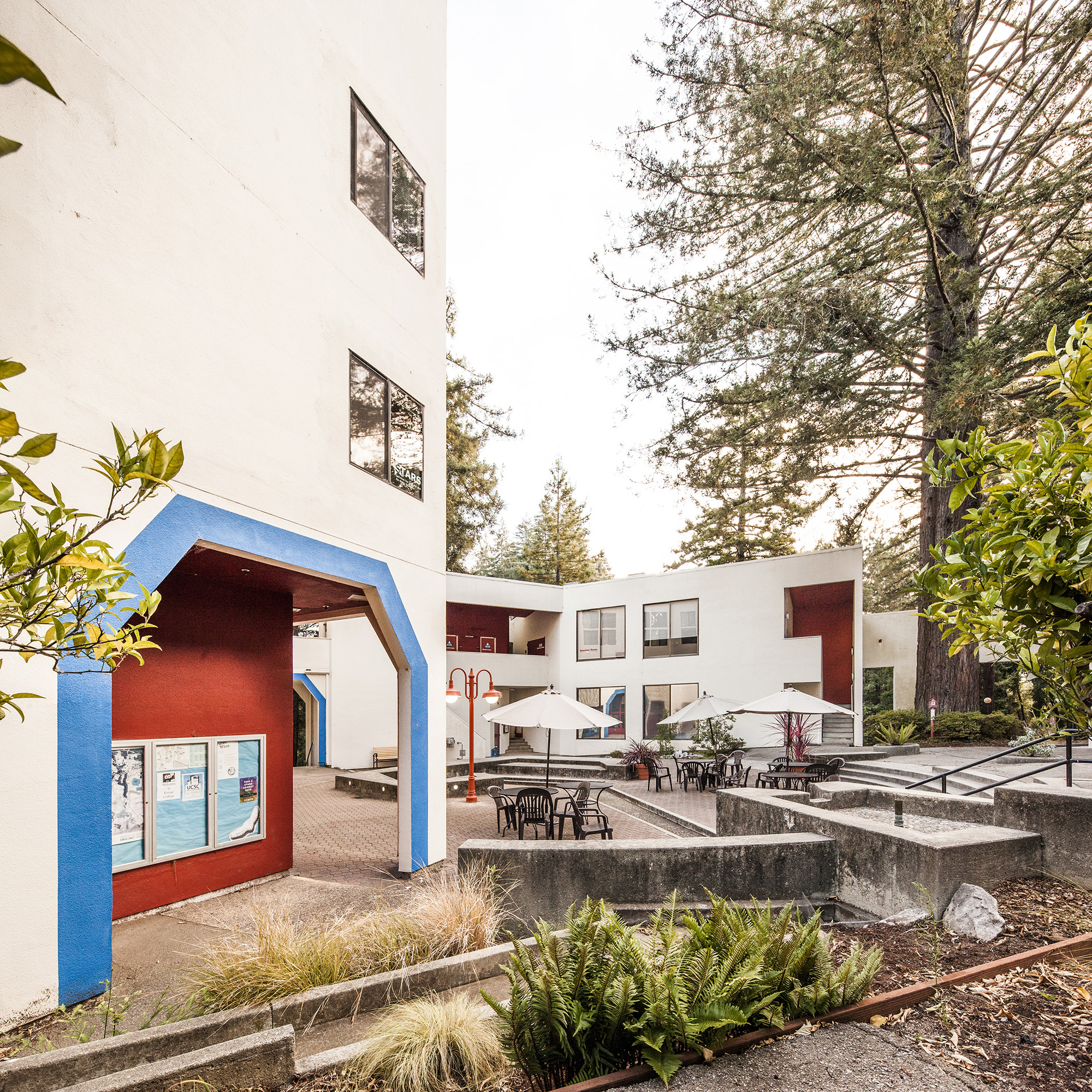
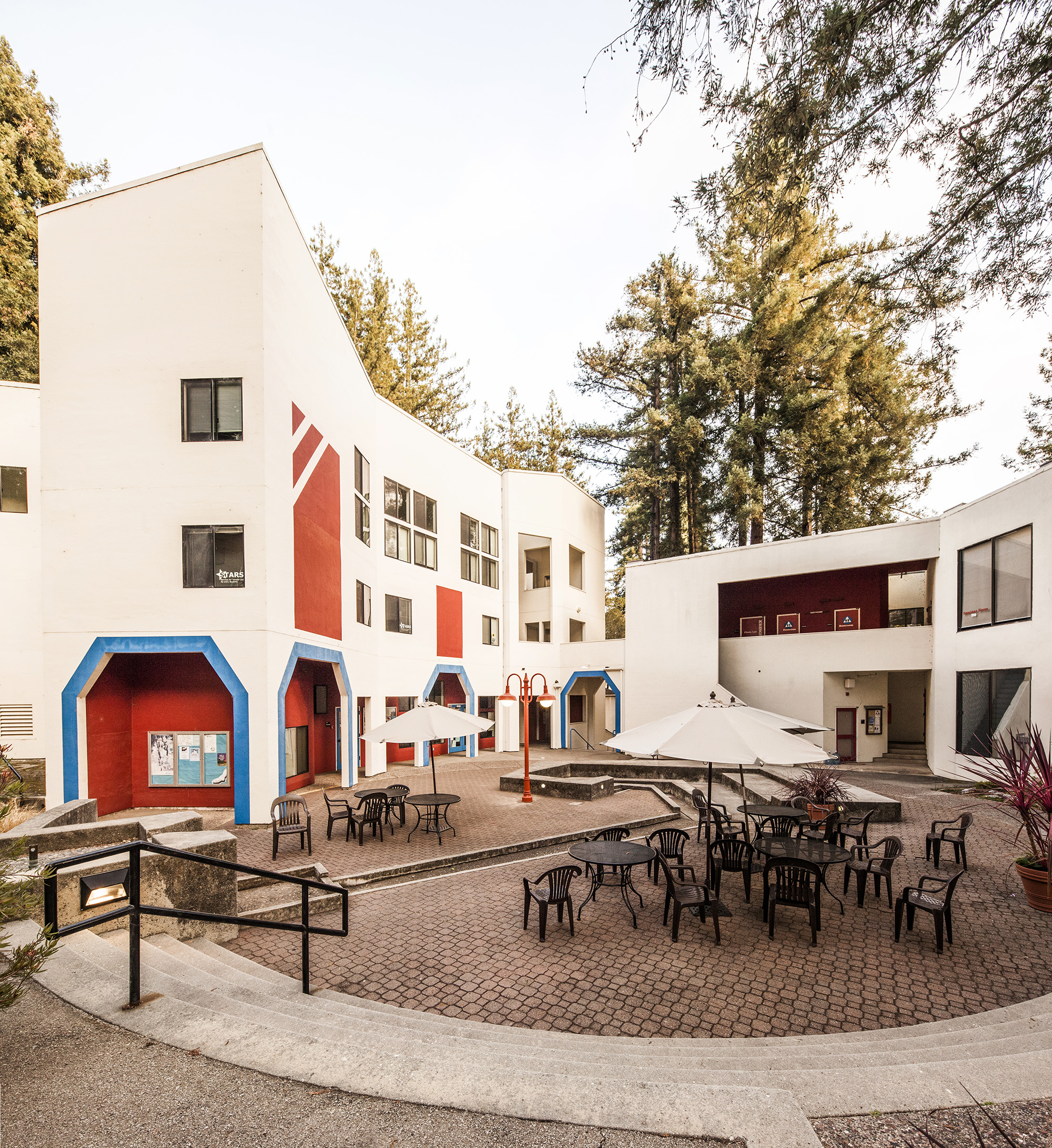
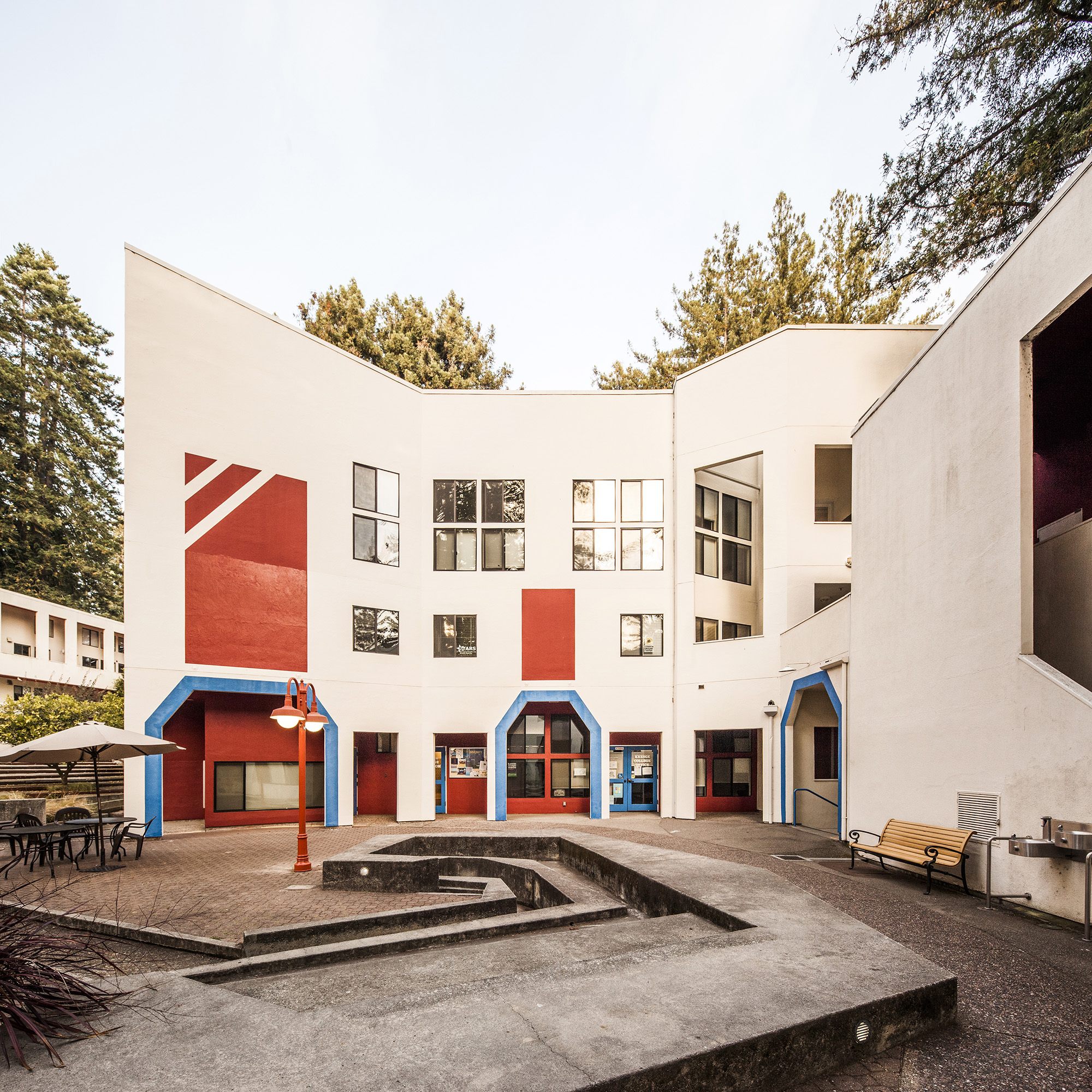
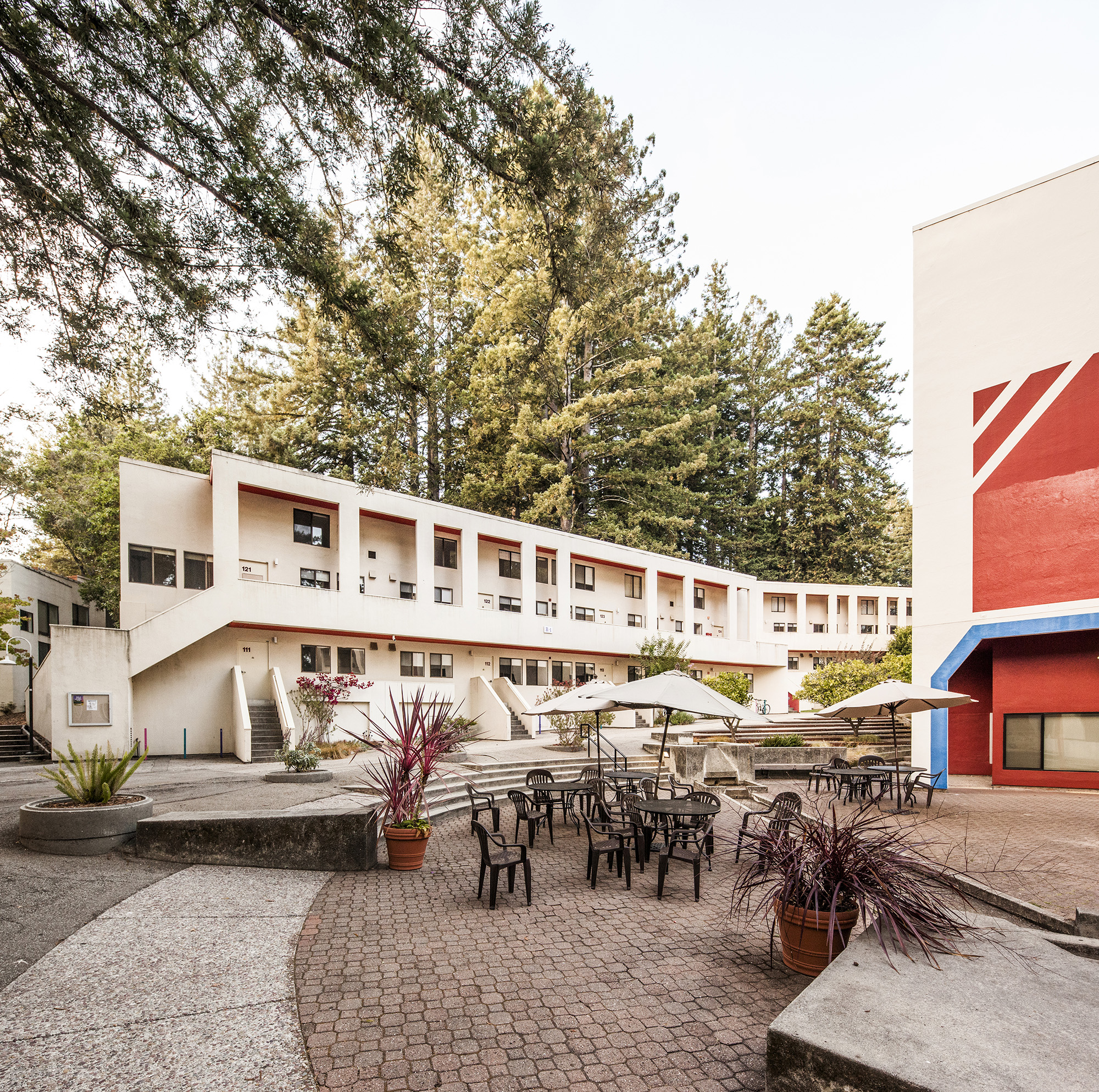
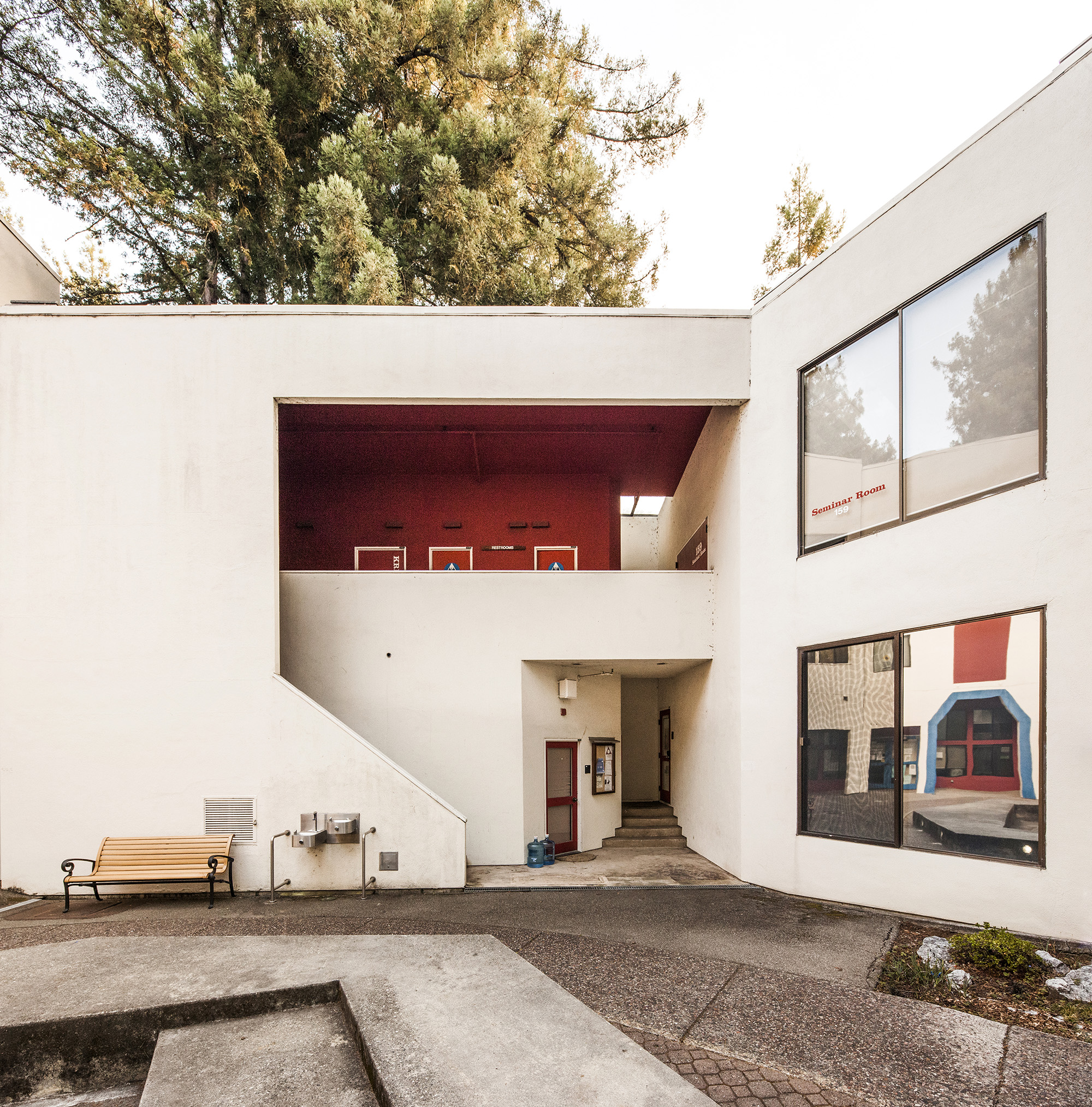
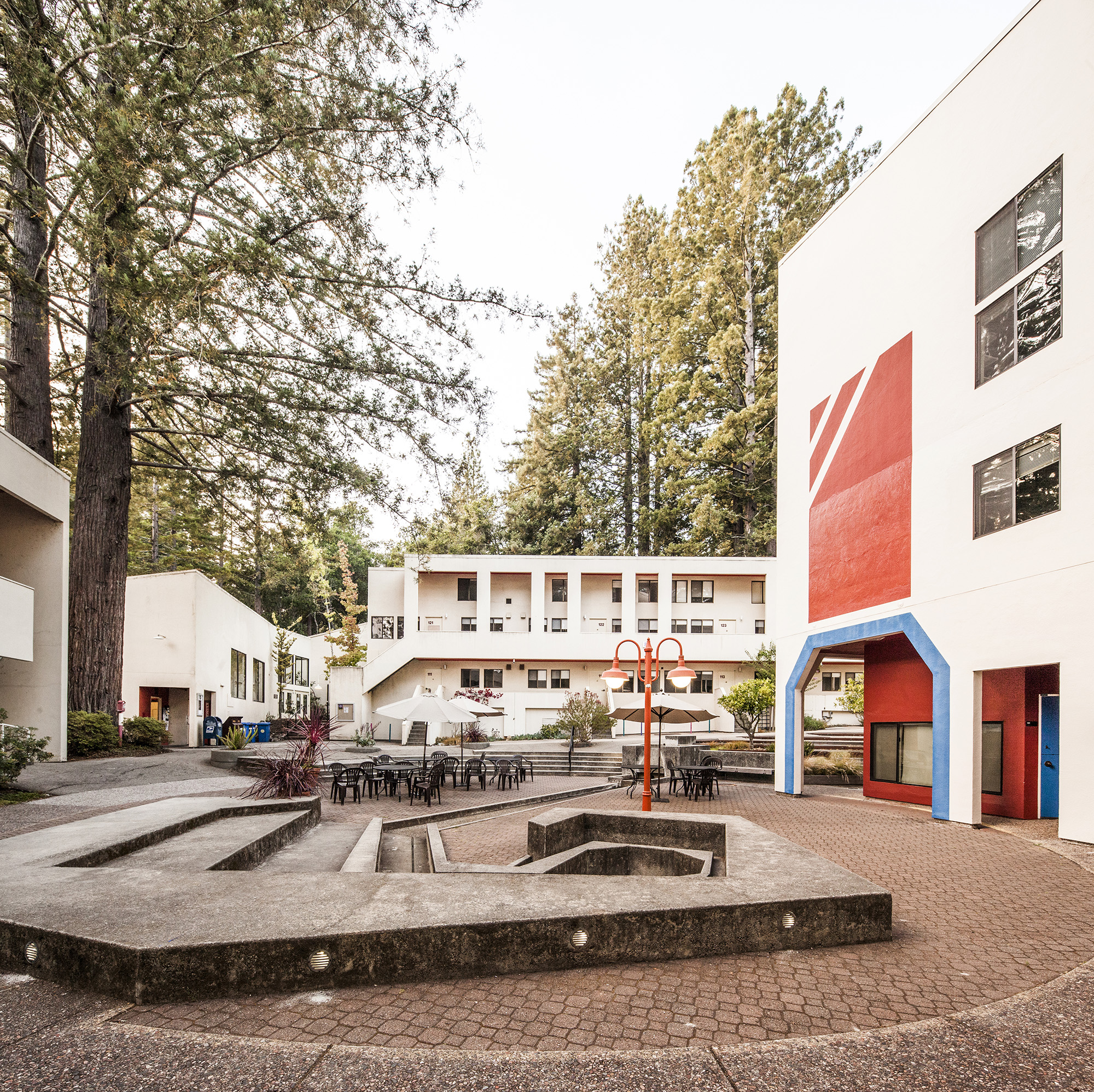
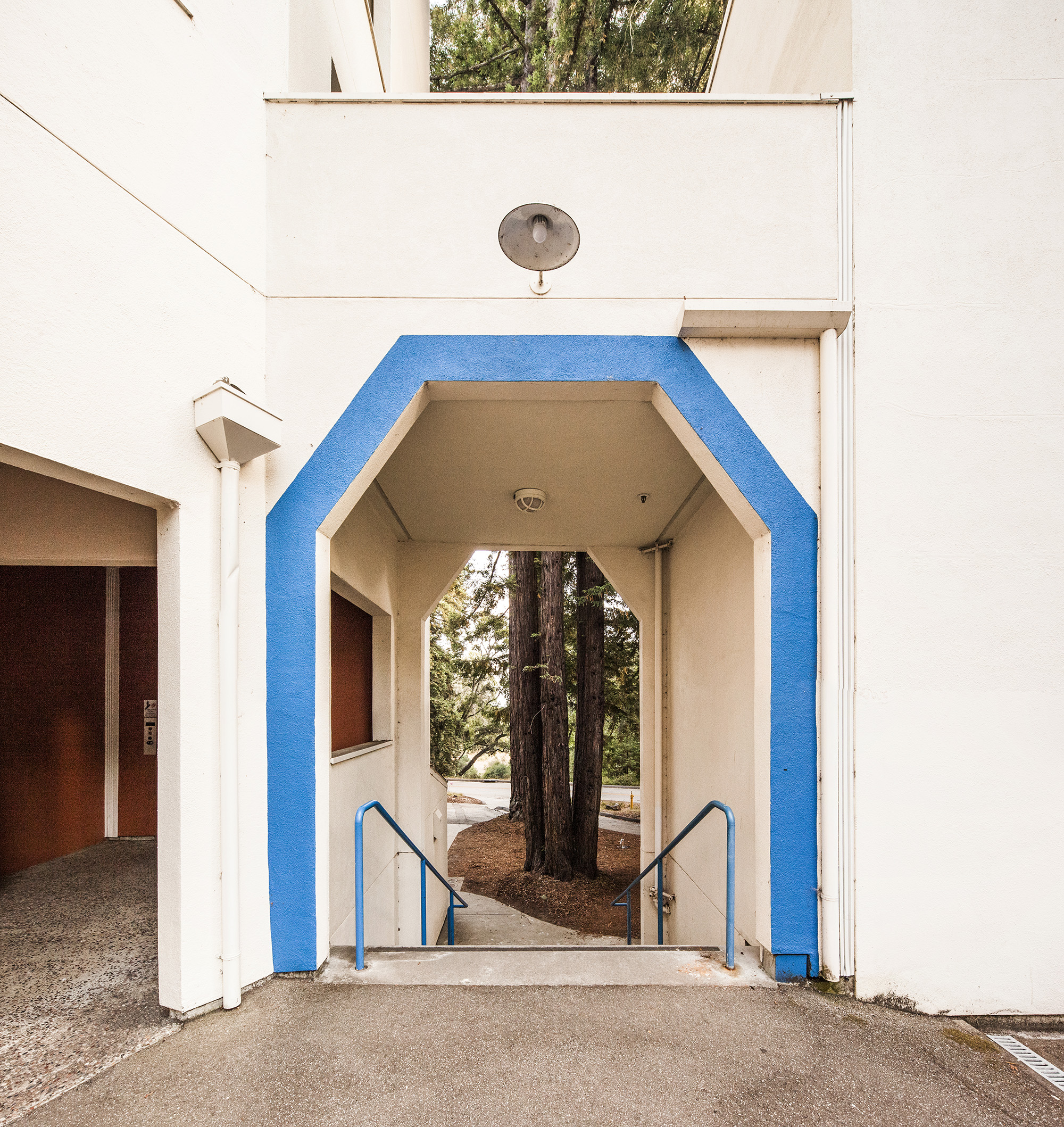
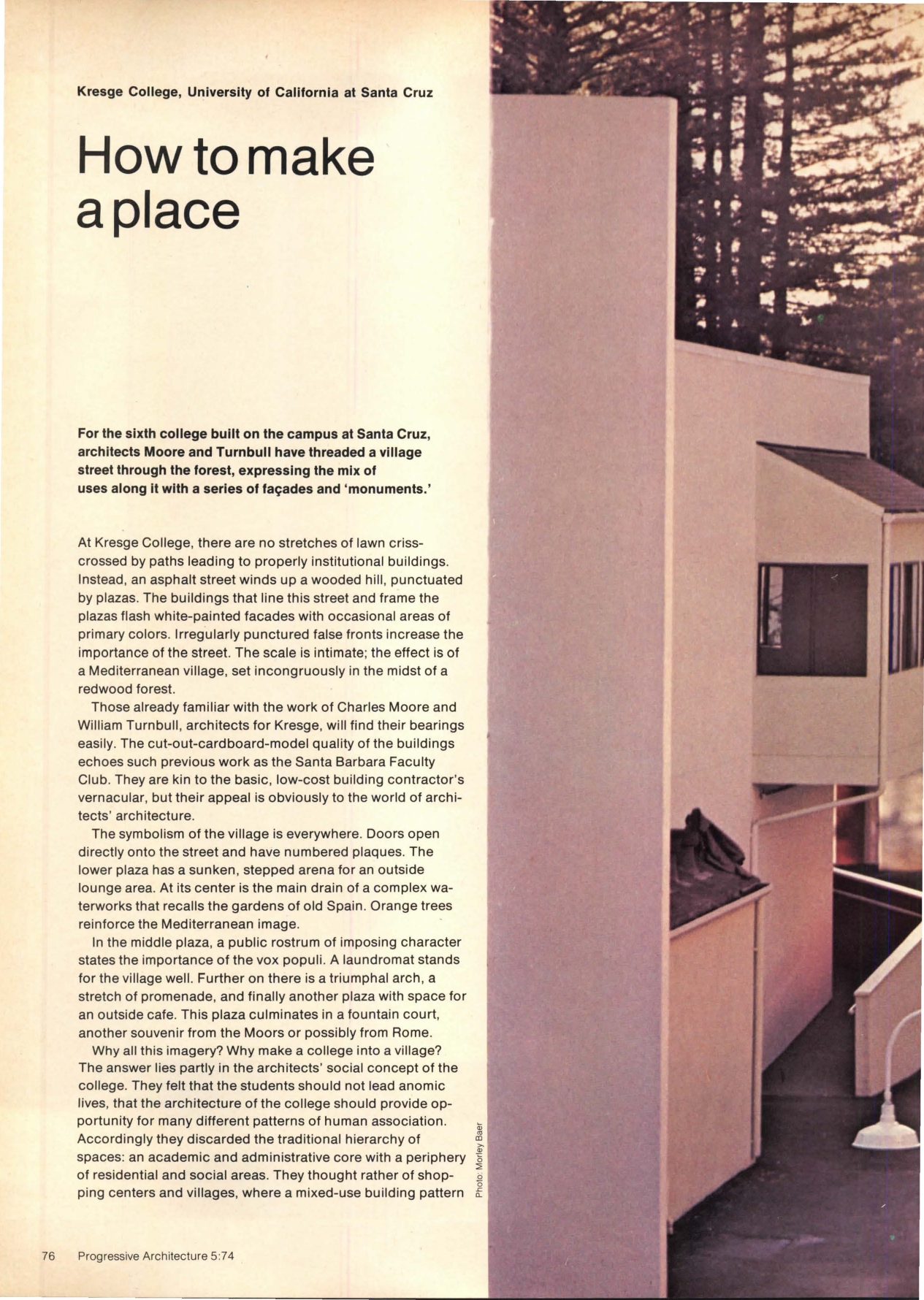
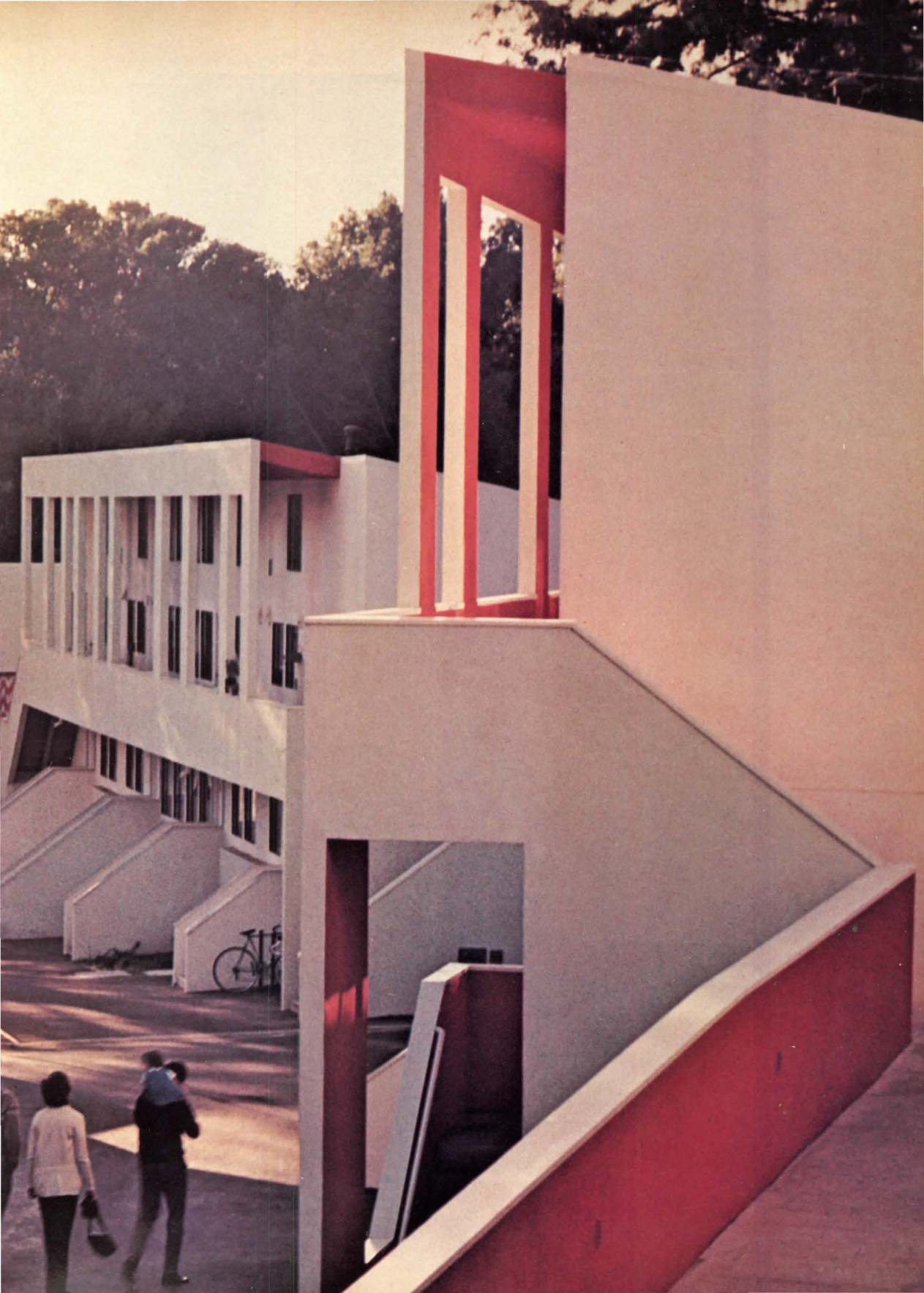
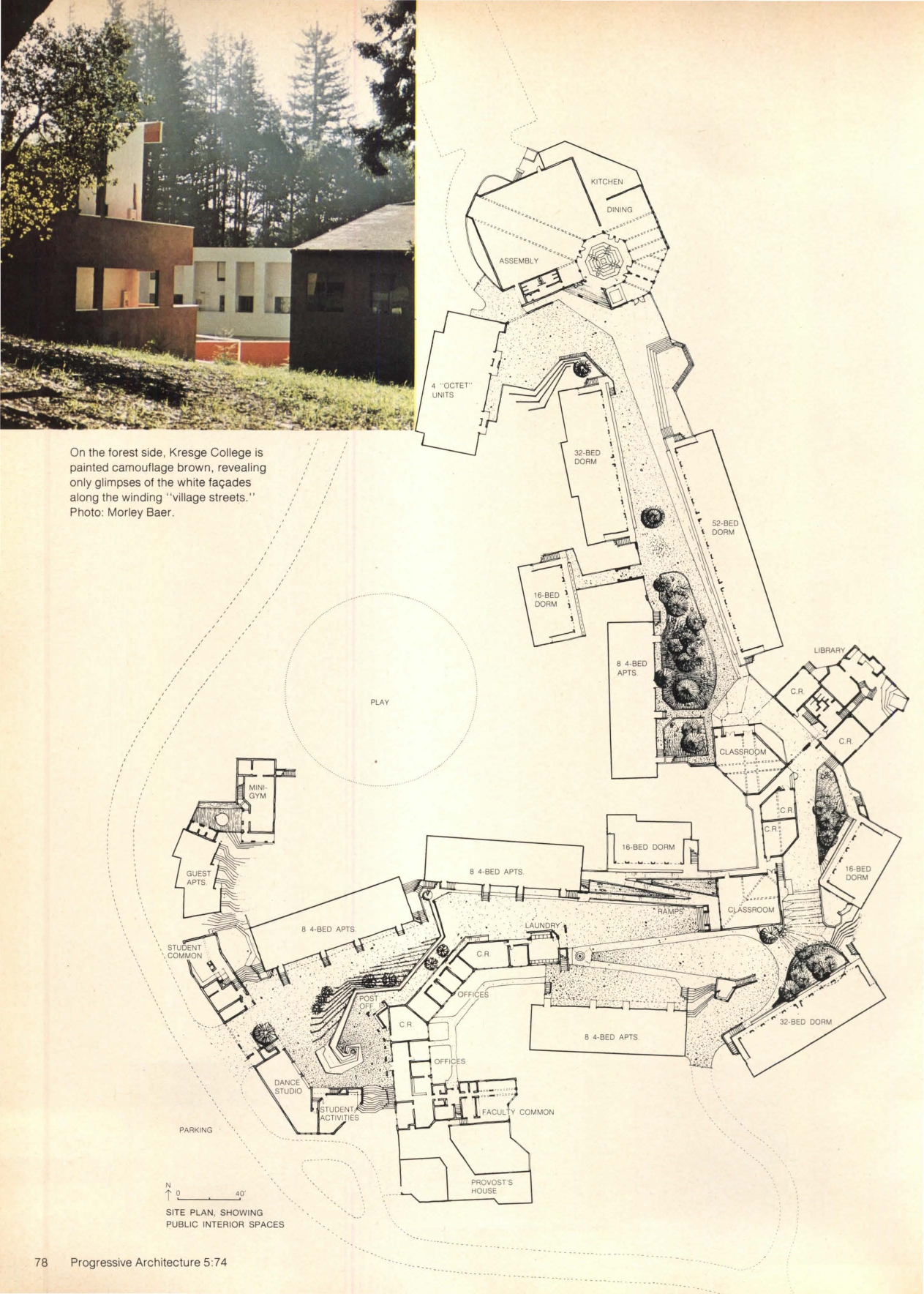
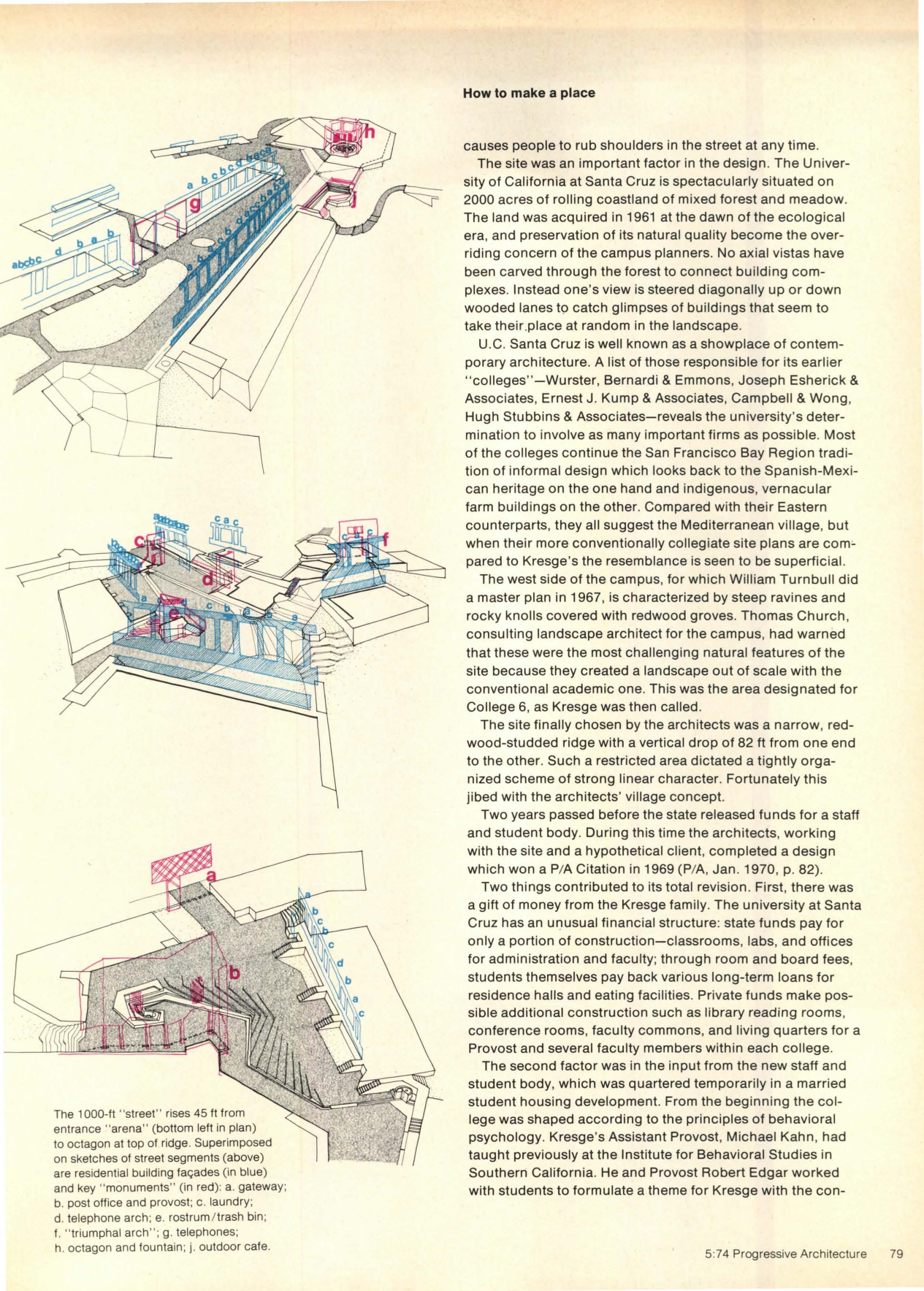
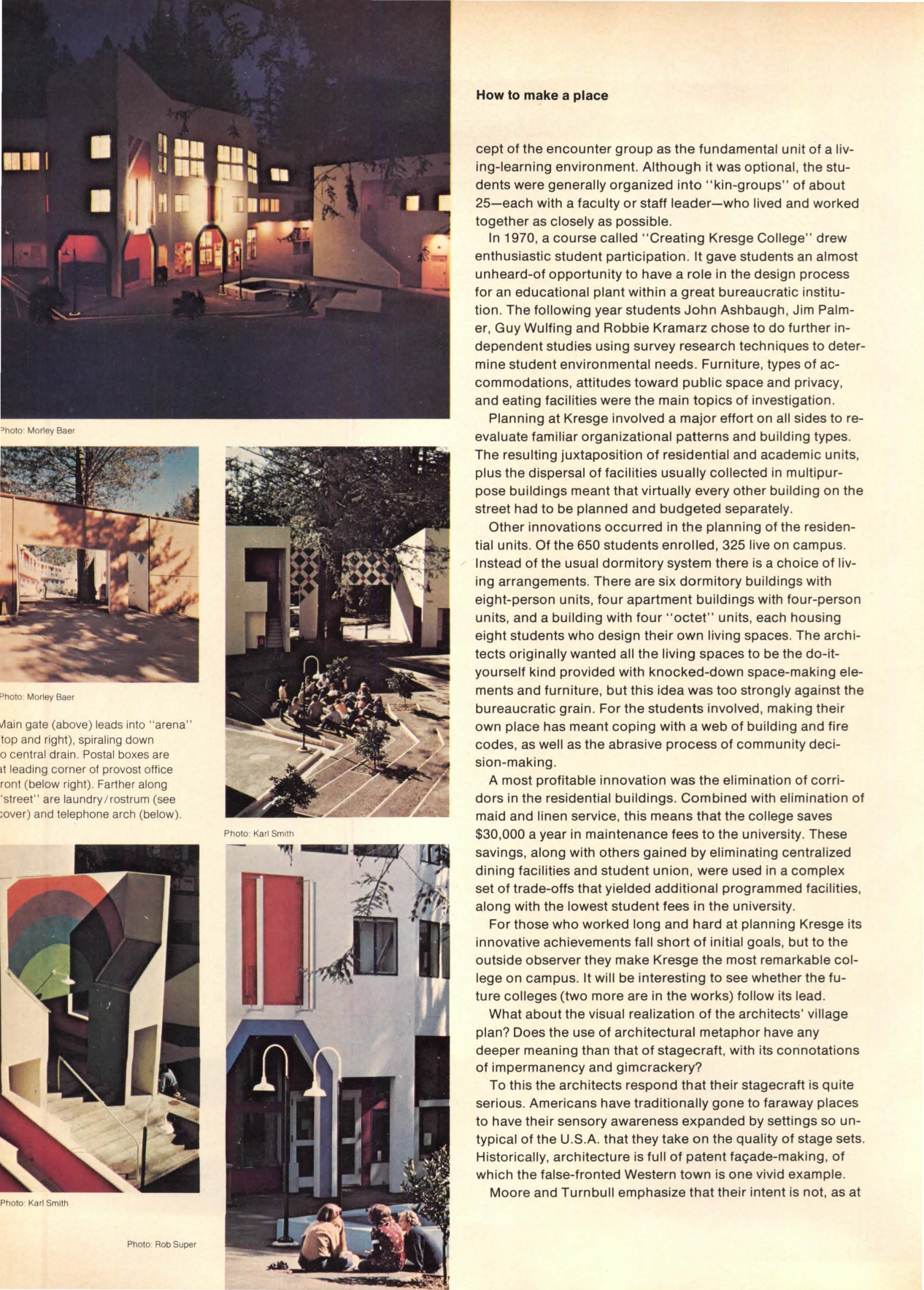
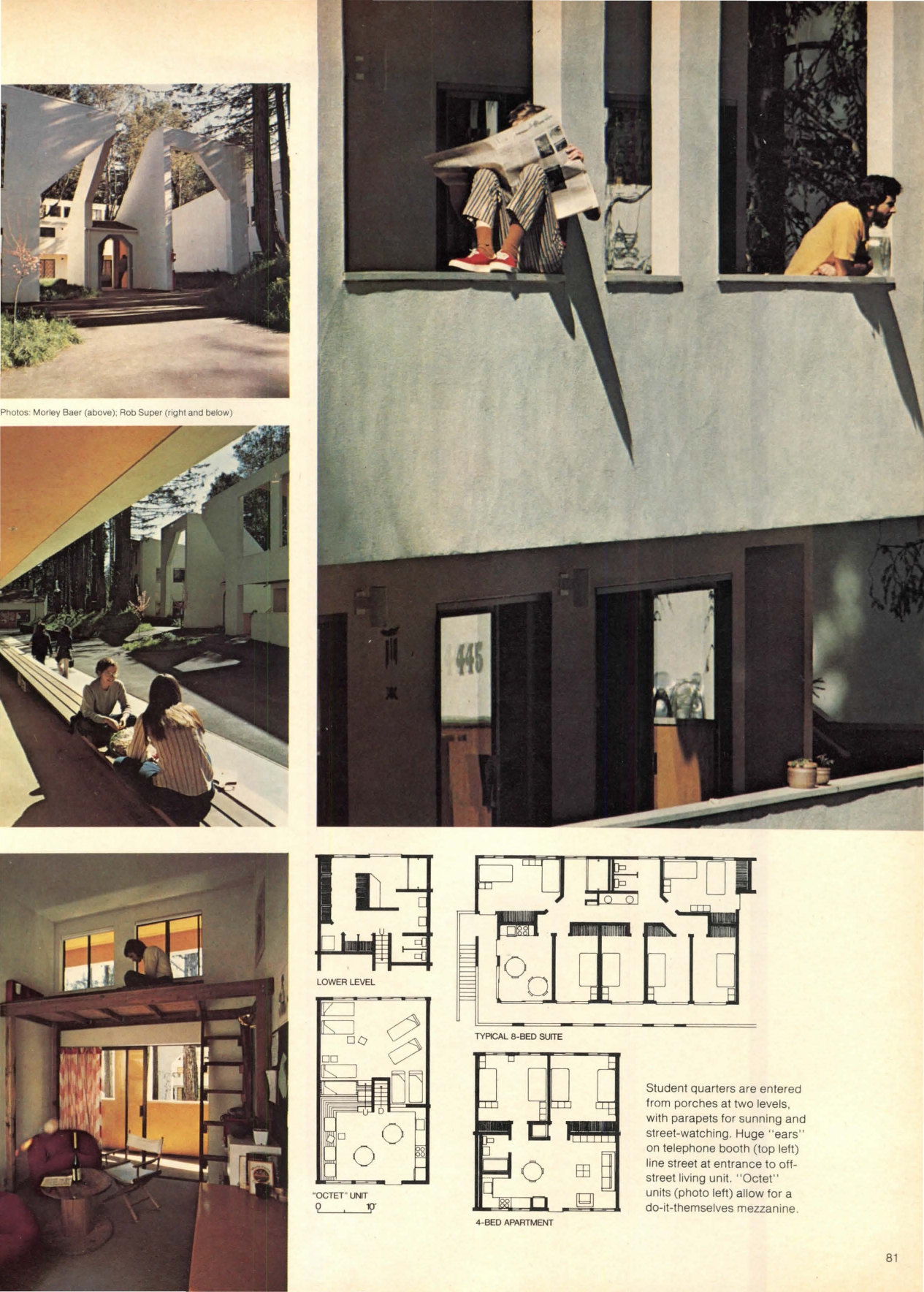
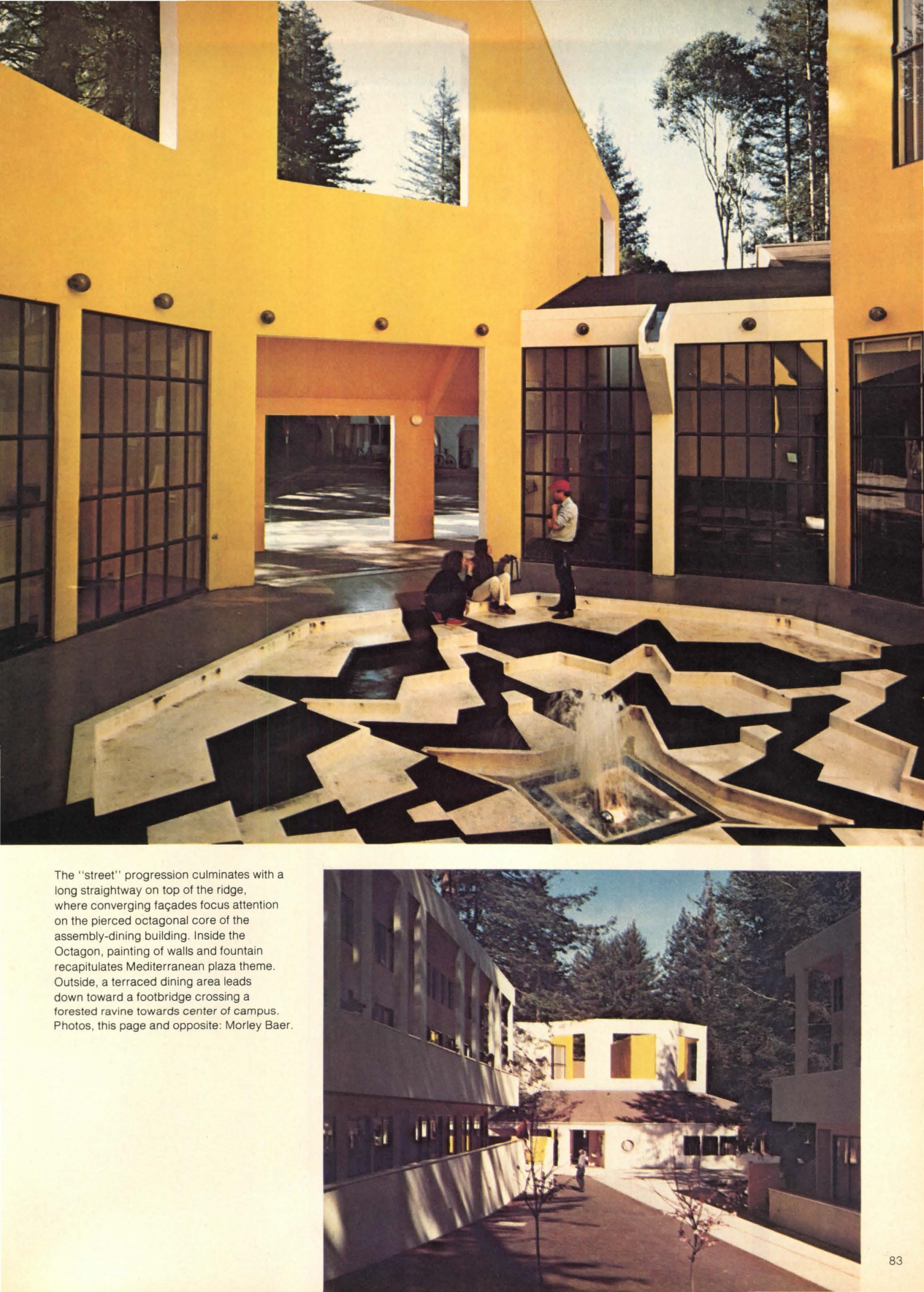
En el Kresge College no hay extensiones de césped atravesadas por senderos que conducen a edificios debidamente institucionales. En su lugar, una calle asfaltada serpentea por una colina boscosa, puntuada por plazas. Los edificios que bordean esta calle y enmarcan las plazas lucen fachadas pintadas de blanco con zonas ocasionales de colores primarios. Falsas fachadas perforadas irregularmente acentúan la importancia de la calle. La escala es íntima; el efecto es el de un pueblo mediterráneo, situado incongruentemente en medio de un bosque de secuoyas. […]
Consideraban que los estudiantes no debían llevar vidas anómicas, que la arquitectura del college debía ofrecer la oportunidad de muchos patrones distintos de asociación humana. En consecuencia, descartaron la jerarquía tradicional de espacios: un núcleo académico y administrativo con una periferia de zonas residenciales y sociales. Pensaron más bien en centros comerciales y pueblos, donde un patrón de edificación de usos mixtos hace que la gente se codee en la calle a cualquier hora. […]
A esto los arquitectos responden que su escenografía es muy seria. Los americanos han viajado tradicionalmente a lugares lejanos para que su percepción sensorial se viera ampliada por escenarios tan atípicos de los EE. UU. que adquieren la cualidad de decorados teatrales. Históricamente, la arquitectura está llena de evidente fabricación de fachadas, de la que el pueblo del Oeste con falsas fachadas es un ejemplo vívido. […]
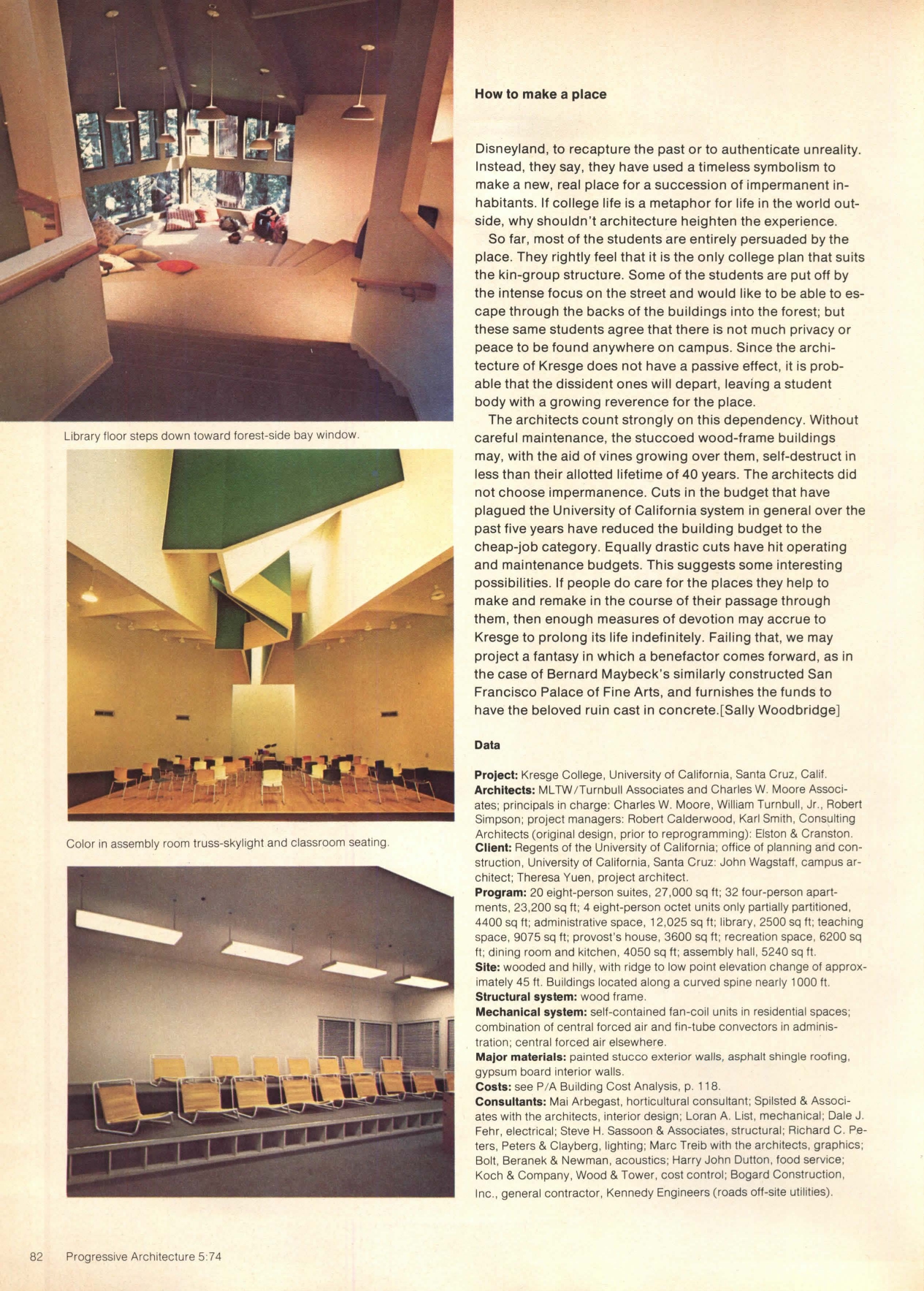
Sin un mantenimiento cuidadoso, los edificios de estructura de madera estucada pueden, con la ayuda de las enredaderas que crecen sobre ellos, autodestruirse en menos de los 40 años de vida que tienen asignados. Los arquitectos no eligieron la impermanencia. […] Si la gente cuida de los lugares que ayuda a hacer y rehacer en el curso de su paso por ellos, entonces puede que se acumulen suficientes muestras de devoción hacia Kresge como para prolongar su vida indefinidamente.
[Traducción propia del inglés.]
Texto:
- Woodbridge, Sally. «How to make a place». Progressive Architecture, vol. 55, núm. 5, maig de 1974, pp. 76-83.
Imágenes:
- 1–14. De: Sally Woodbridge, «How to make a place». Progressive Architecture, vol. 55, núm. 5, mayo de 1974, pp. 76–83. Fotógrafos: Morley Baer (pp. 76, 78, 80, 81, 83, 83), Karl Smith (pp. 80, 80), Rob Super (pp. 80, 81, 81), Autor desconocido (pp. 77, 82, 82).
Planos:
- 1–3. De: Sally Woodbridge, «How to make a place». Progressive Architecture, vol. 55, núm. 5, mayo de 1974, pp. 78, 79, 81.