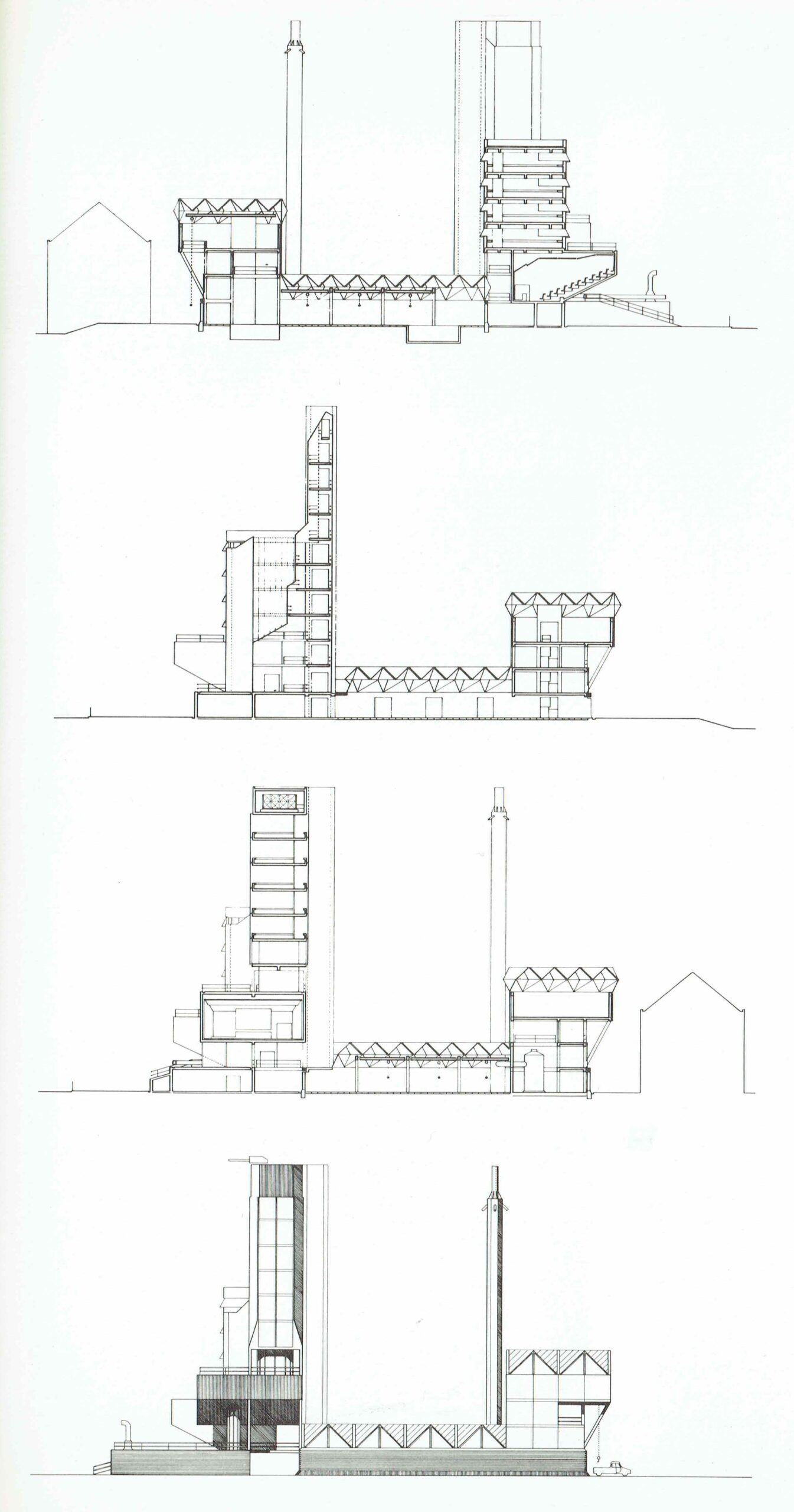
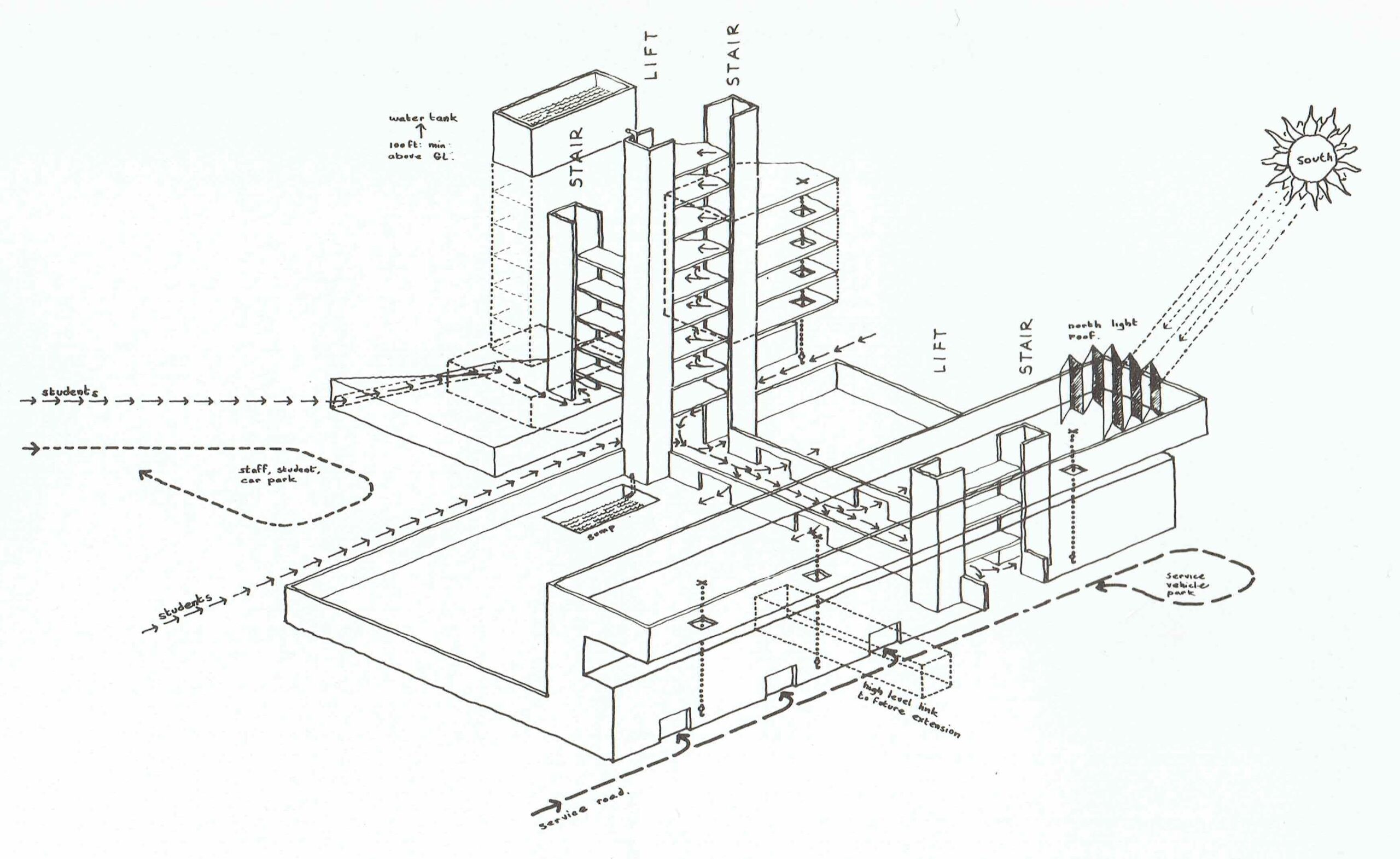
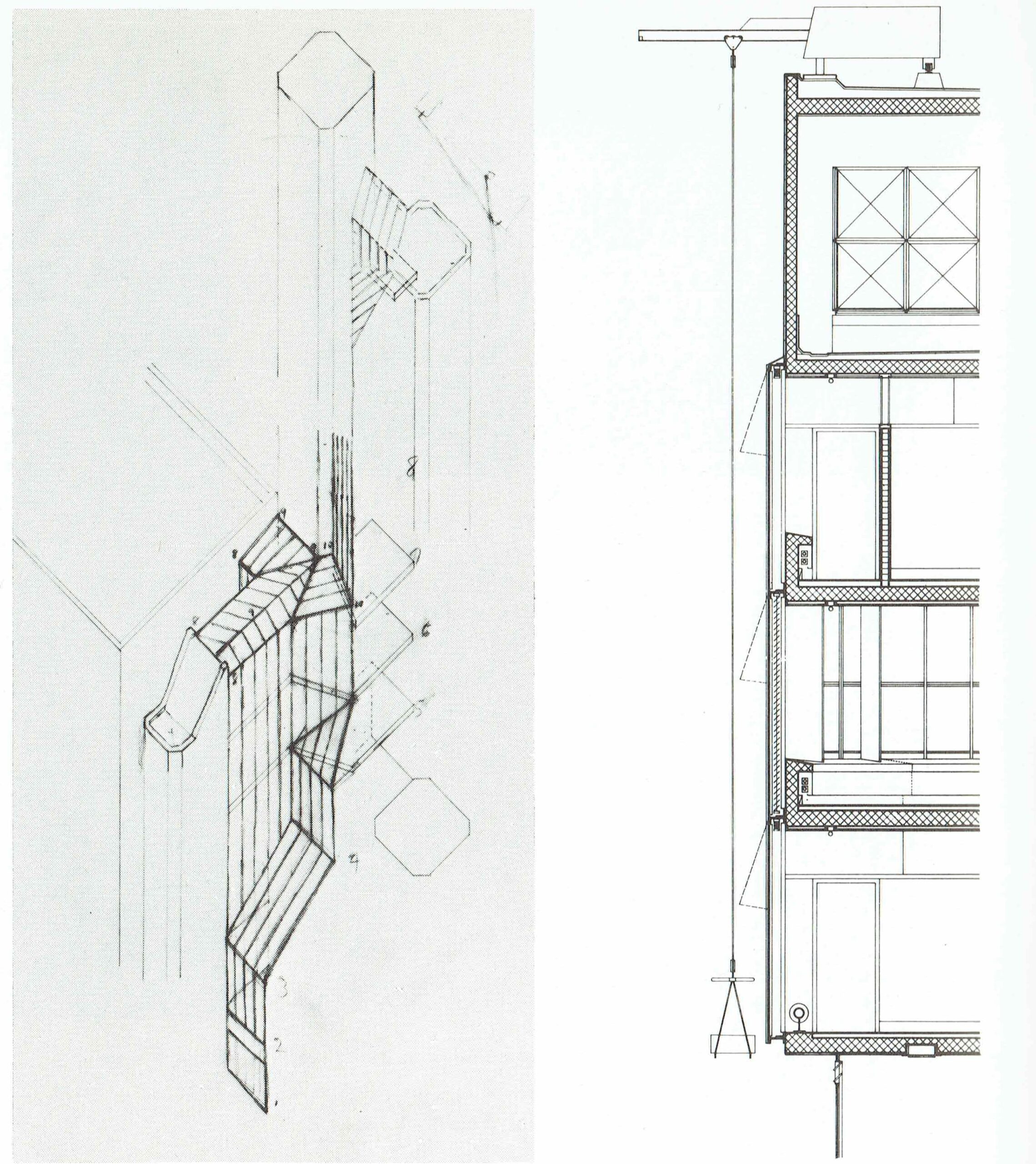
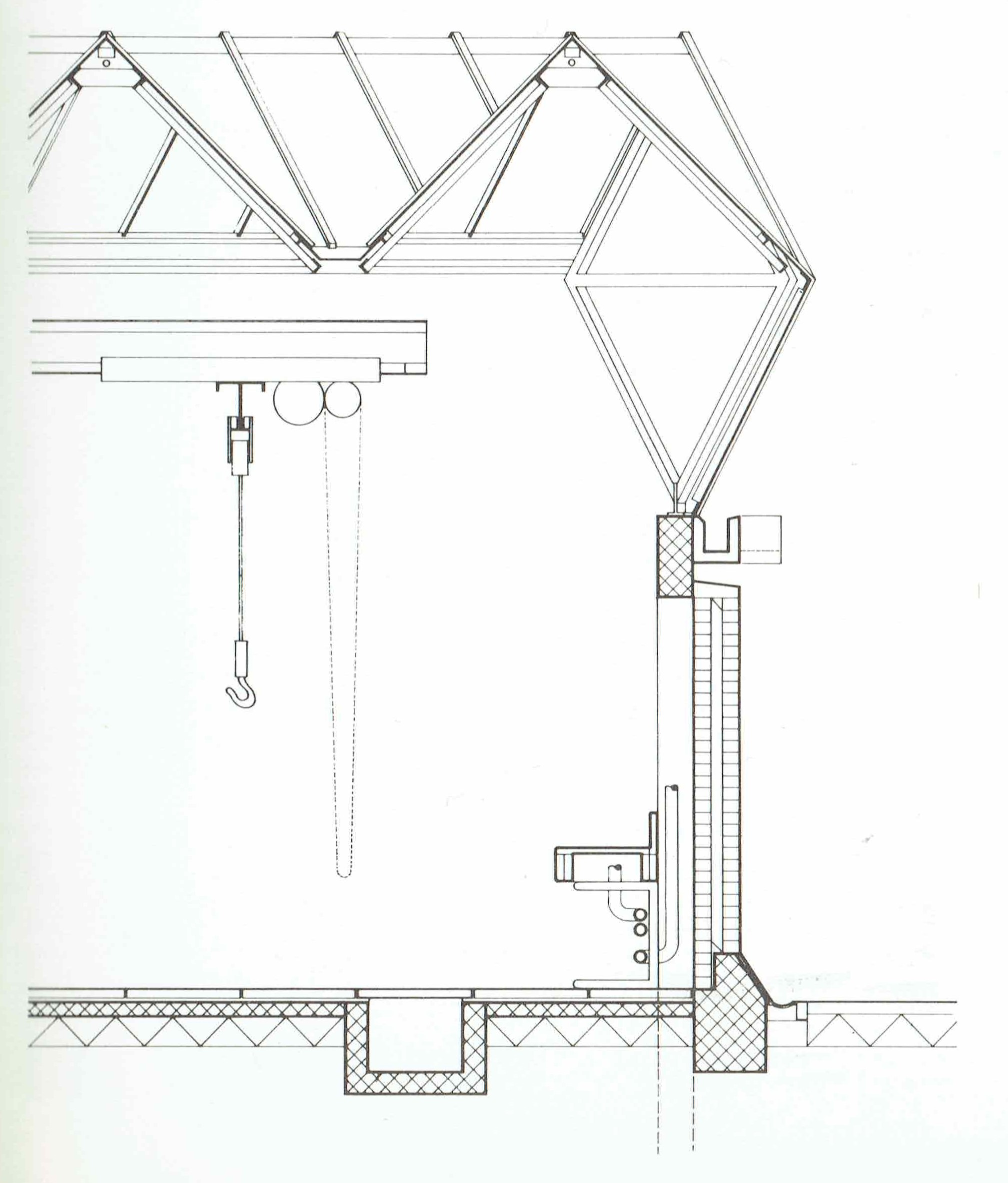
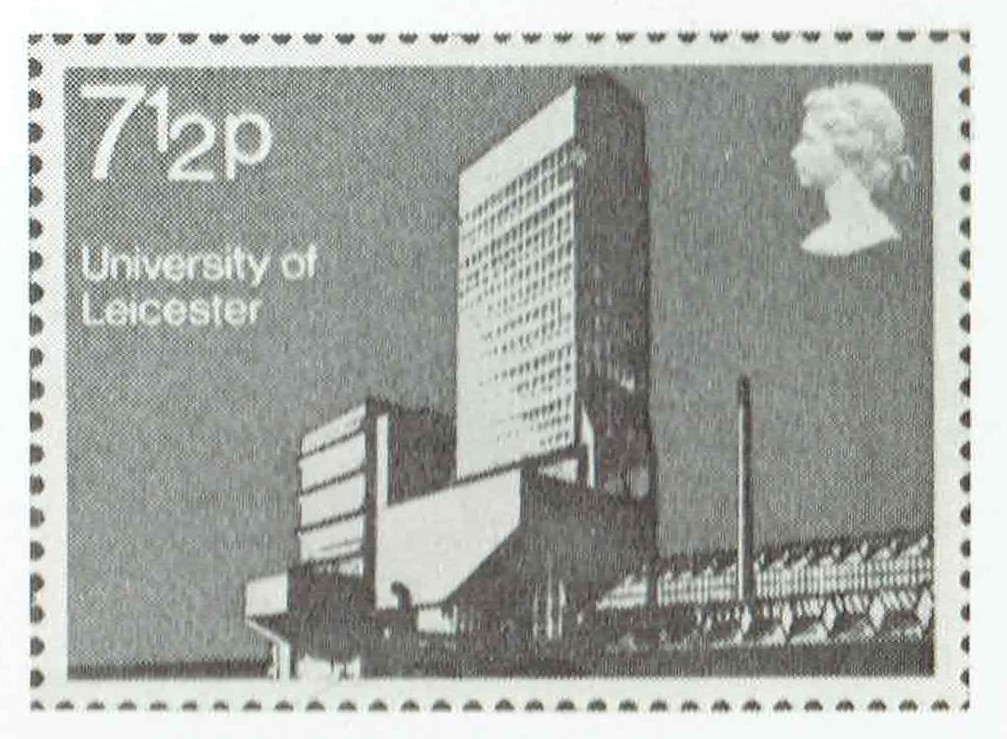
New Satesman, R. Banham, 14 February 1964
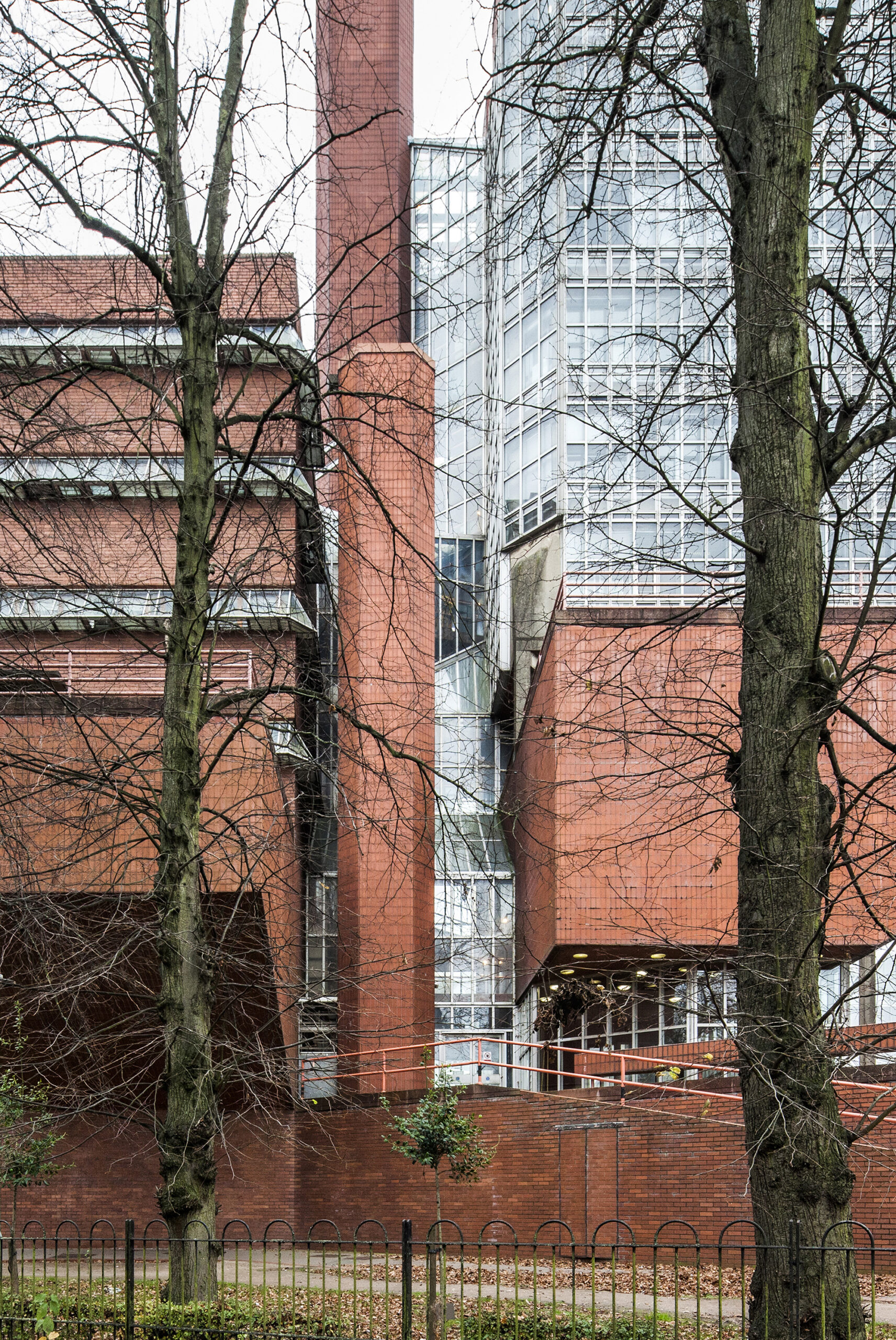
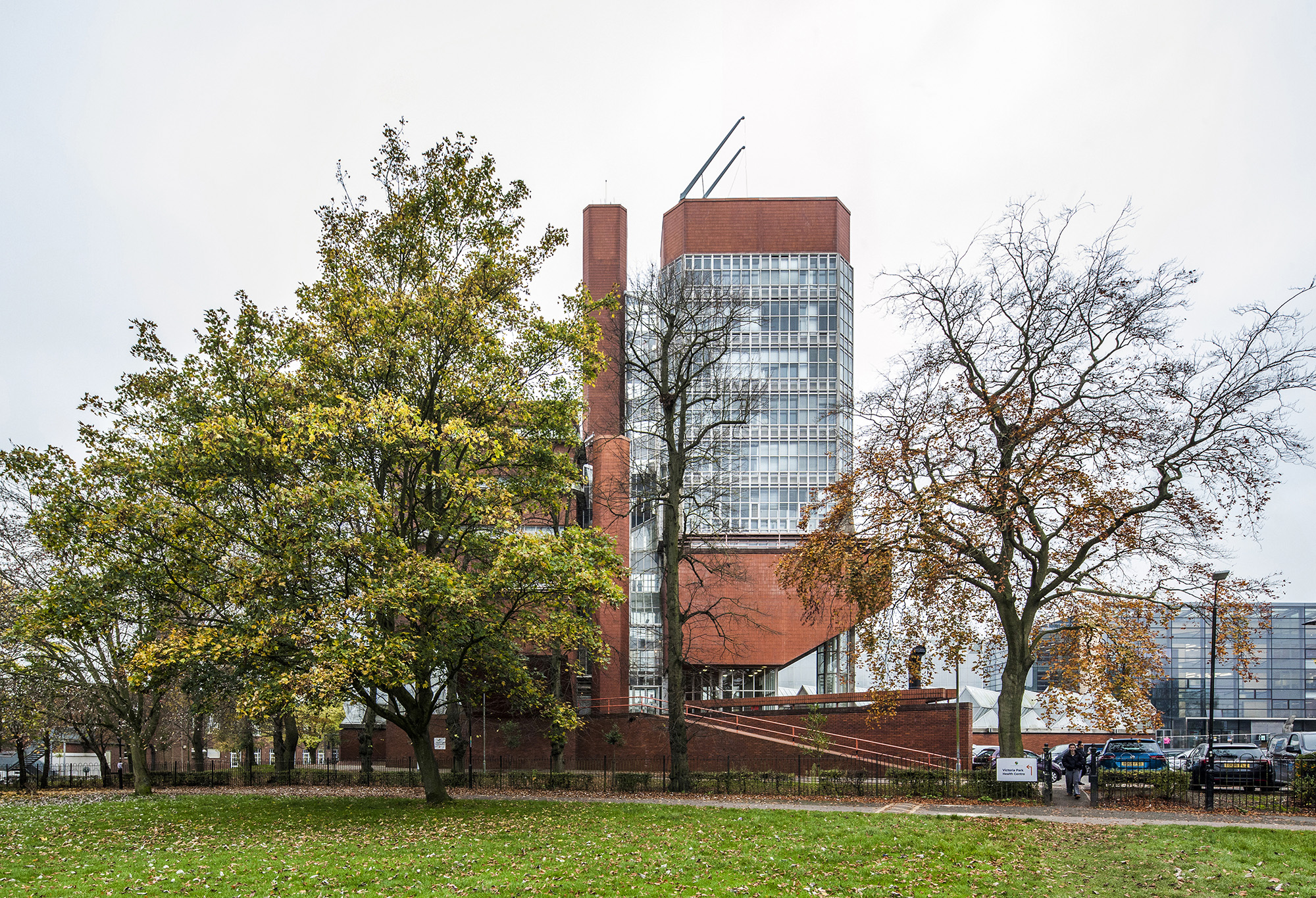
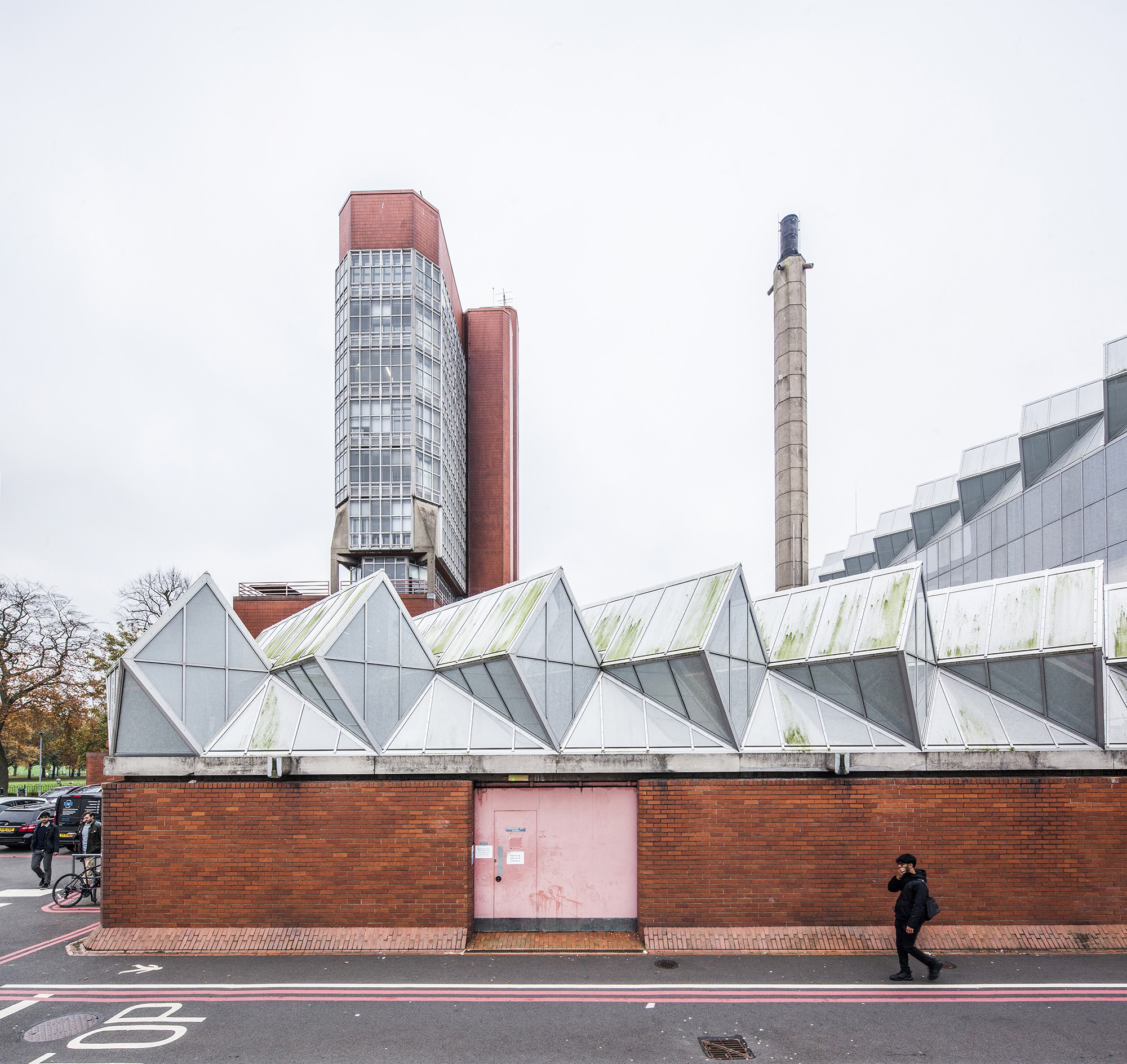
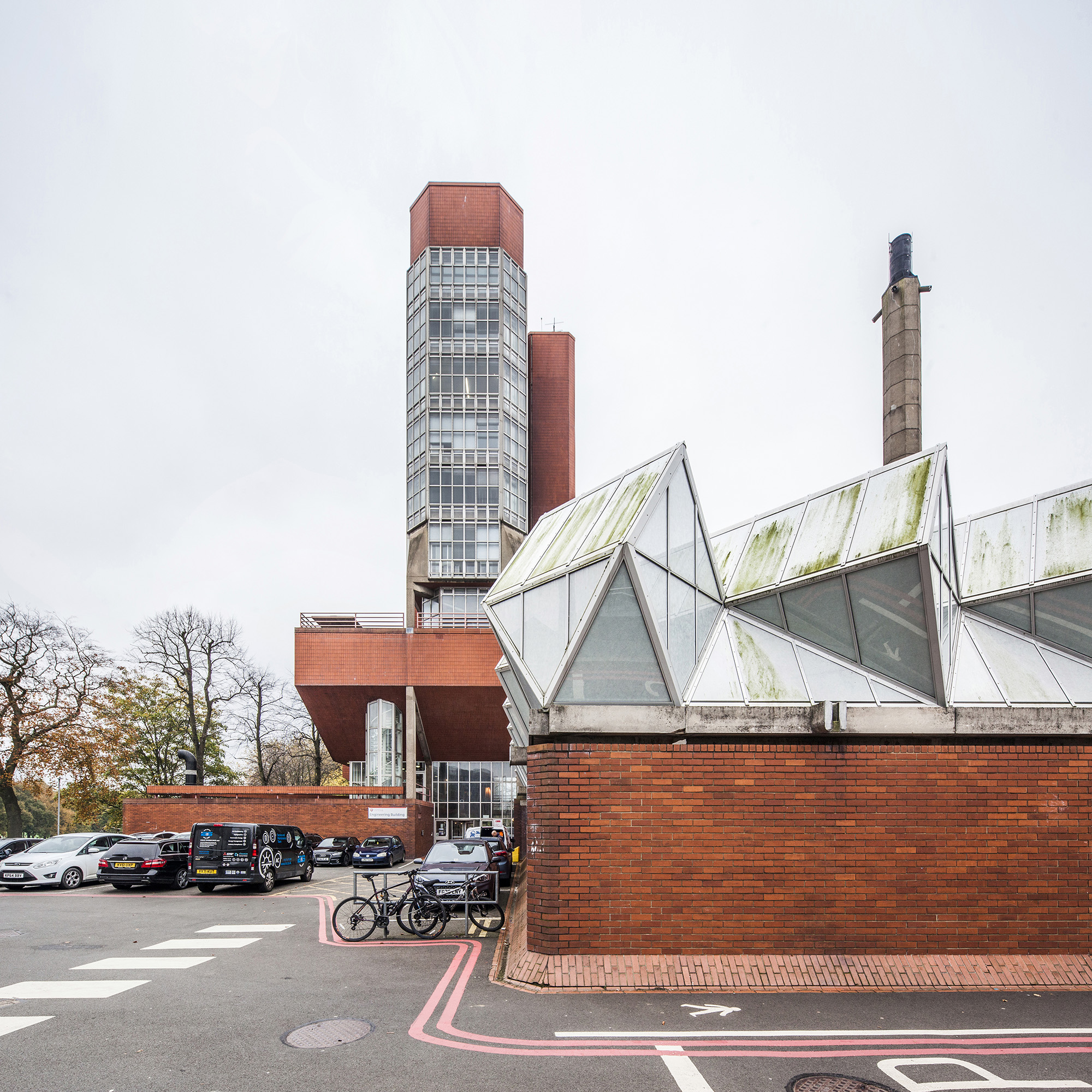
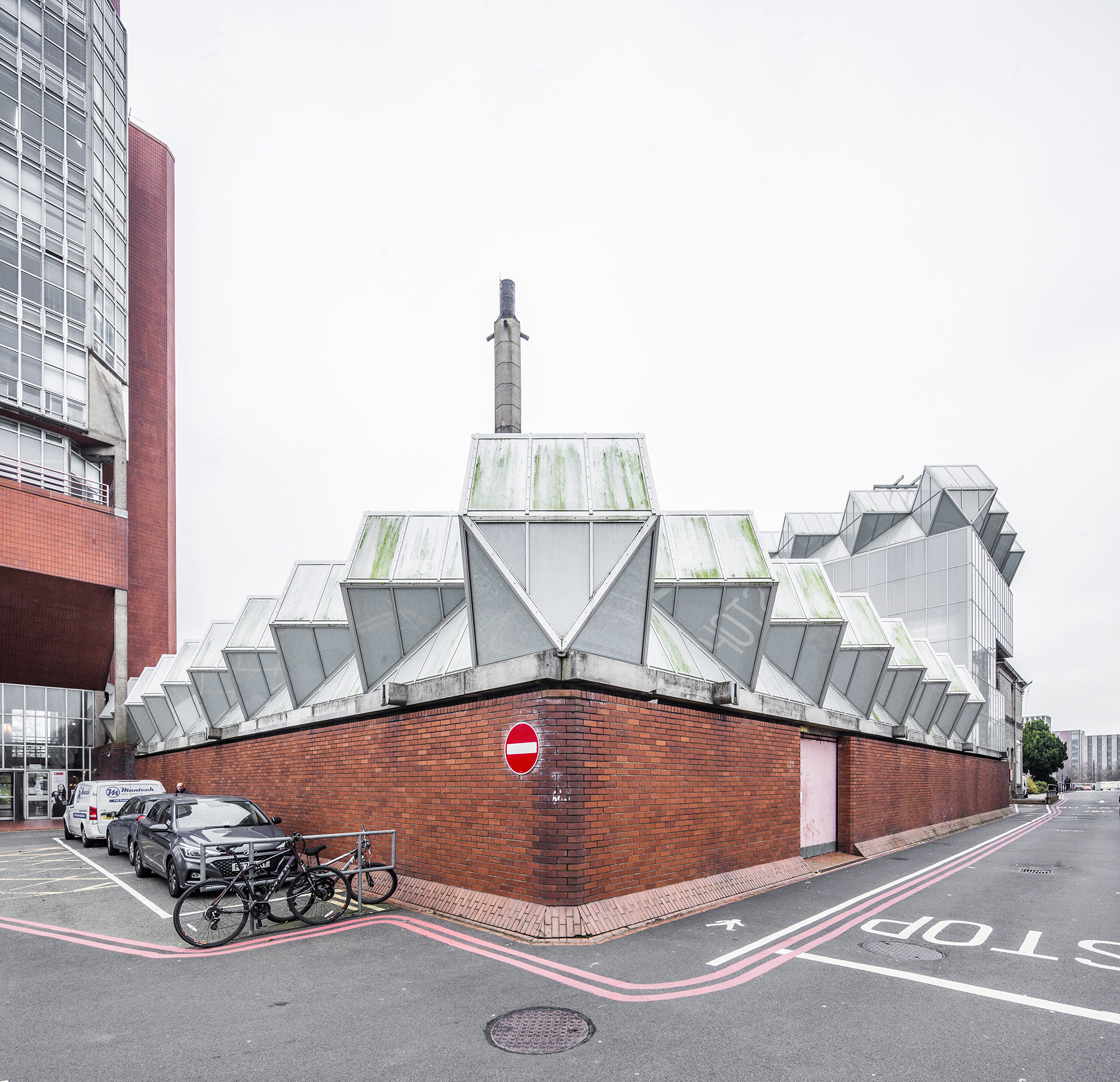
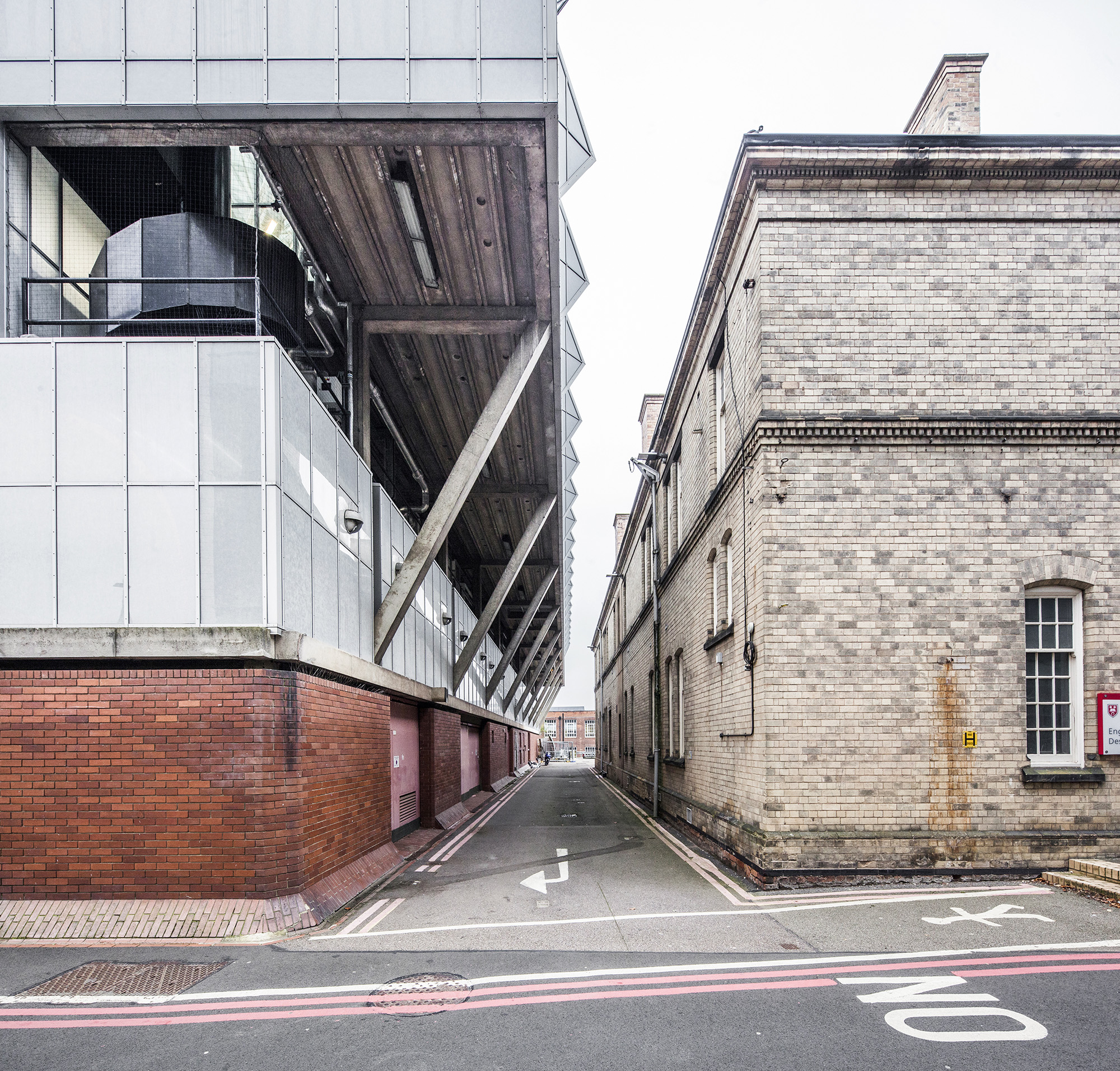
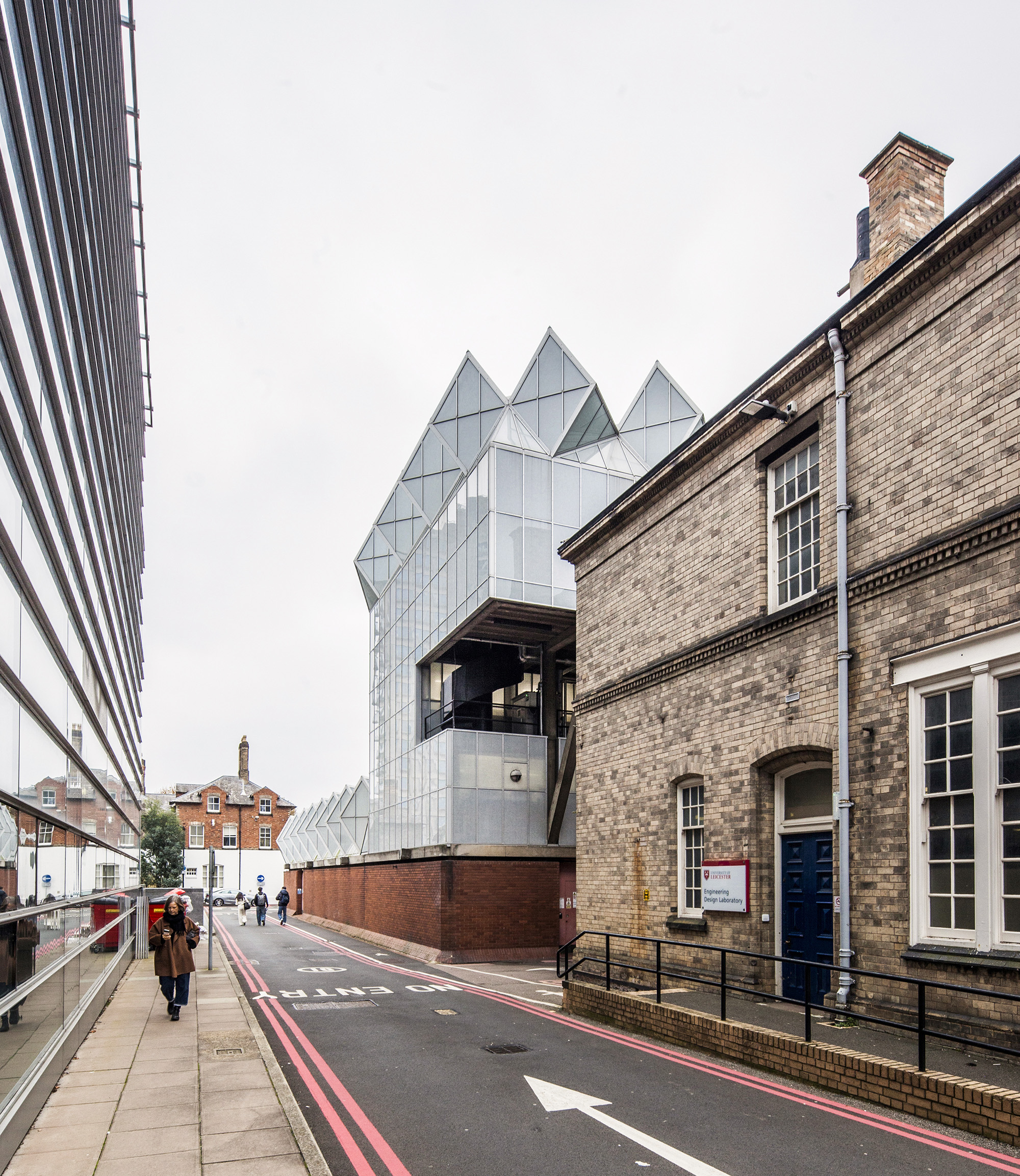
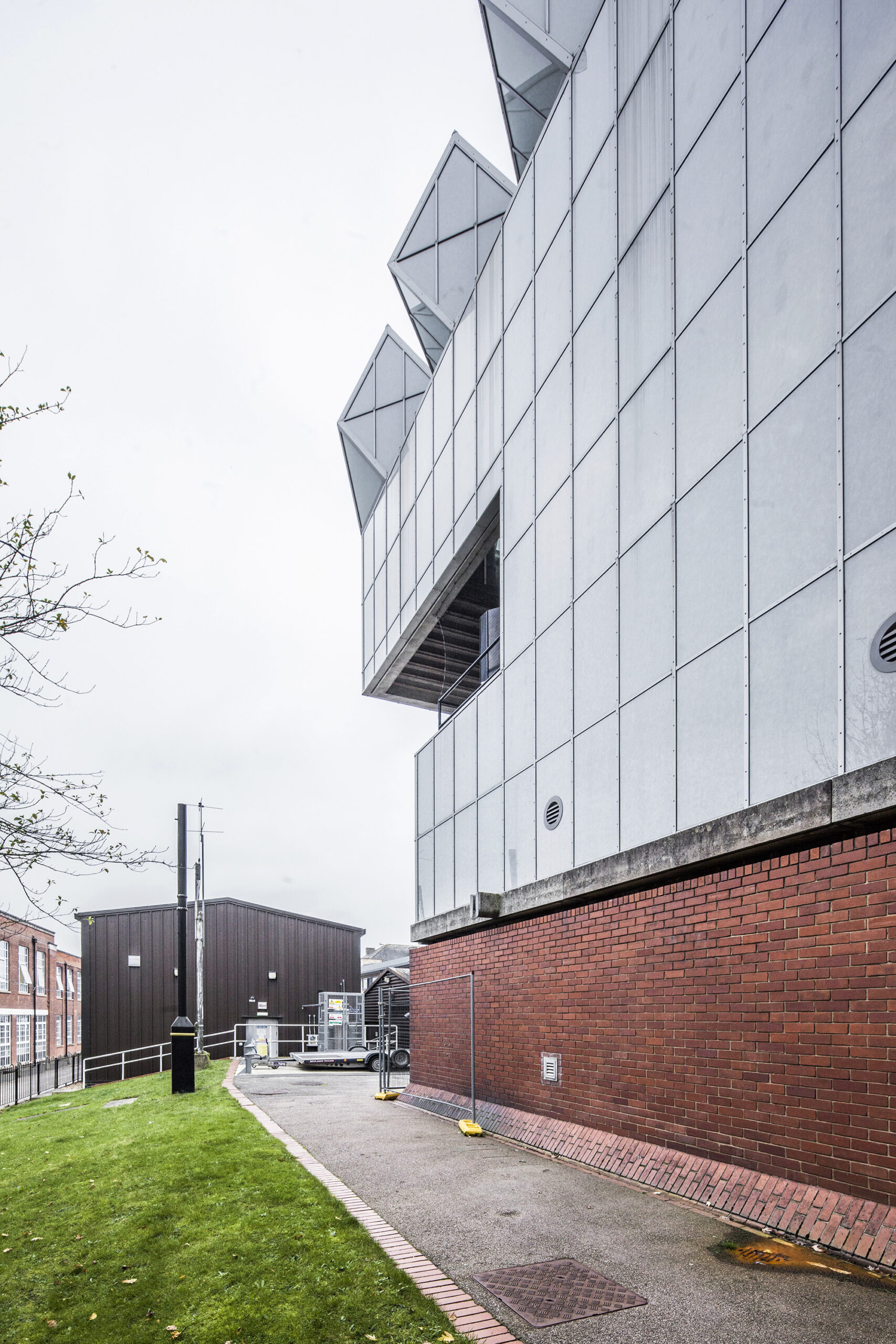
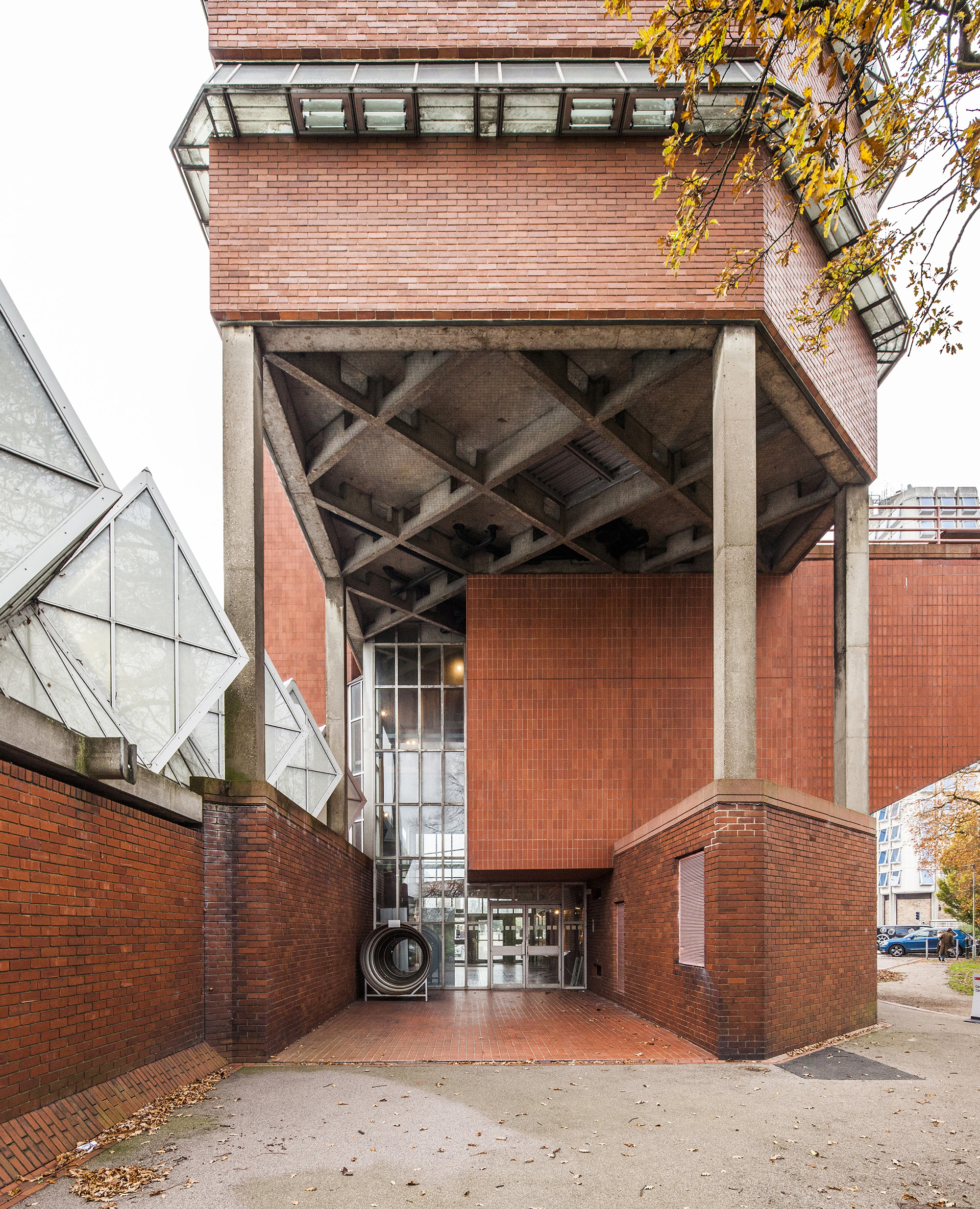
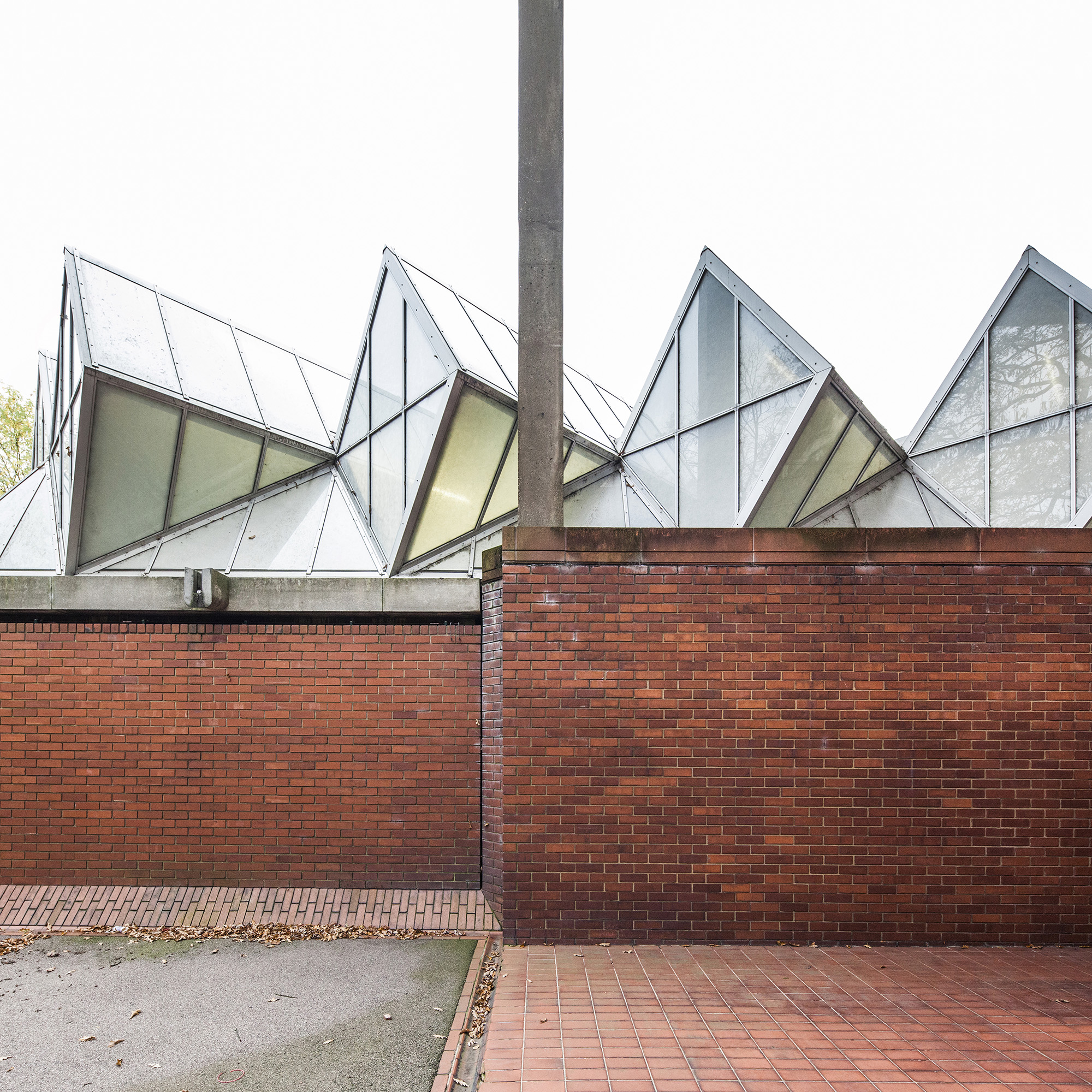
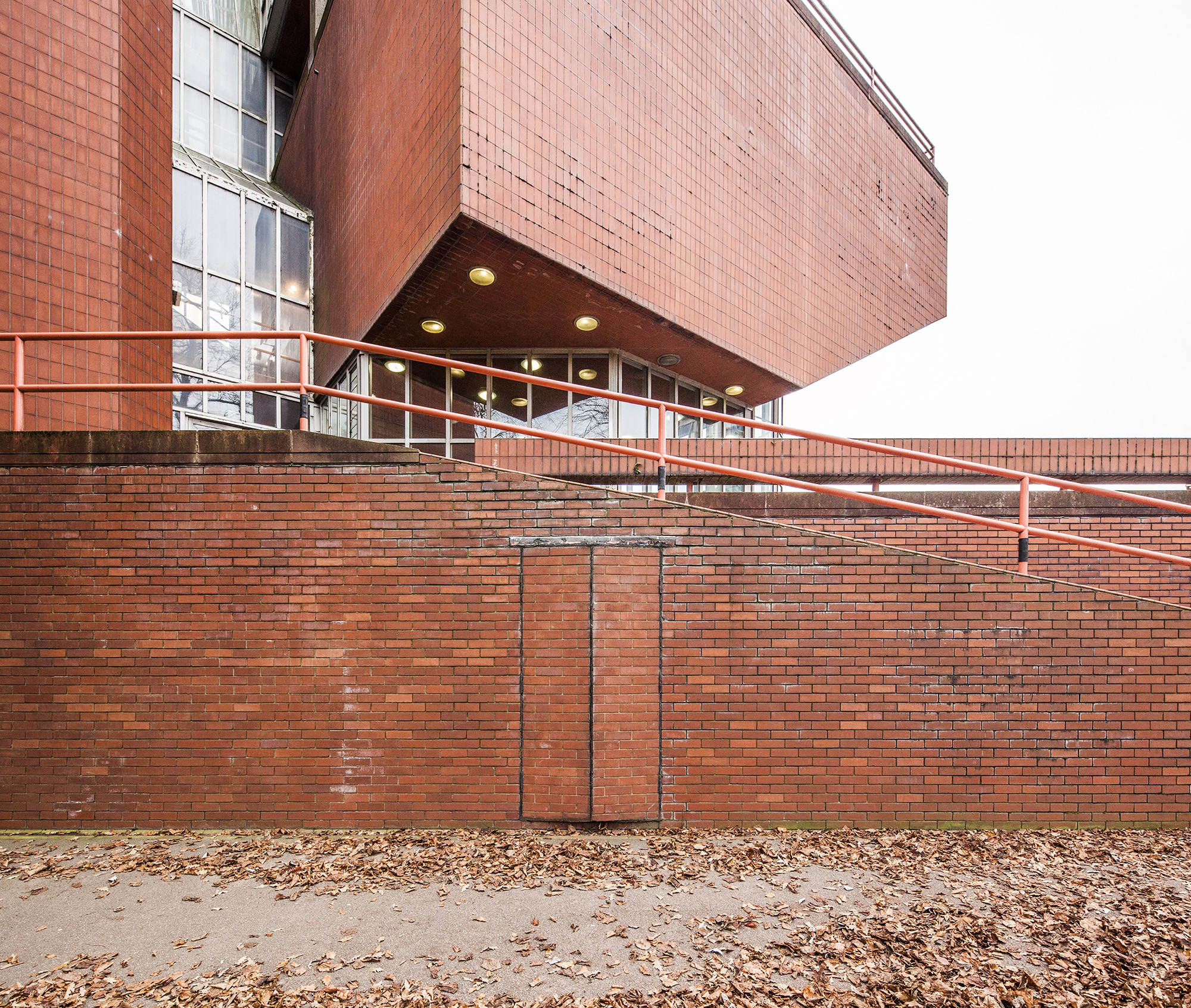
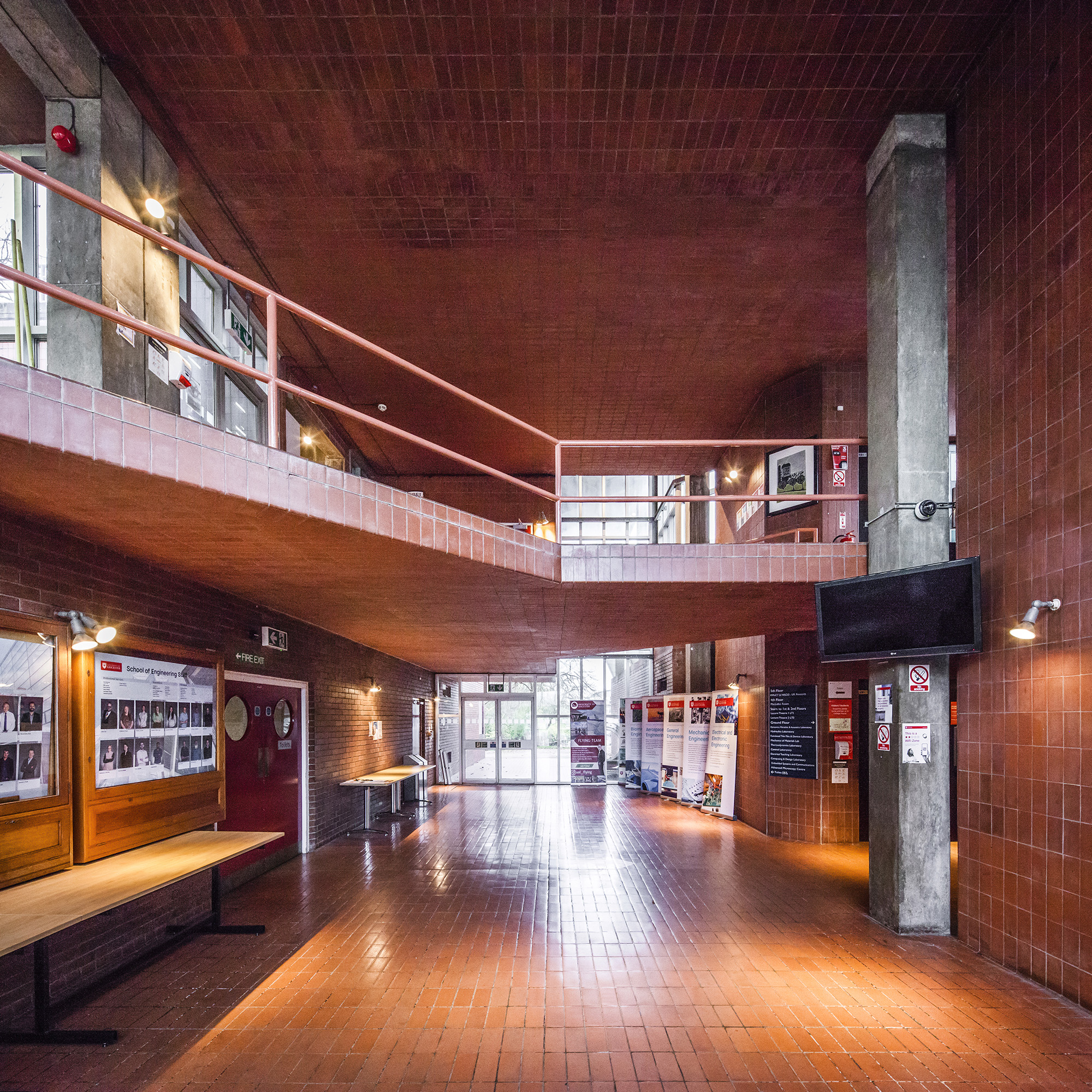
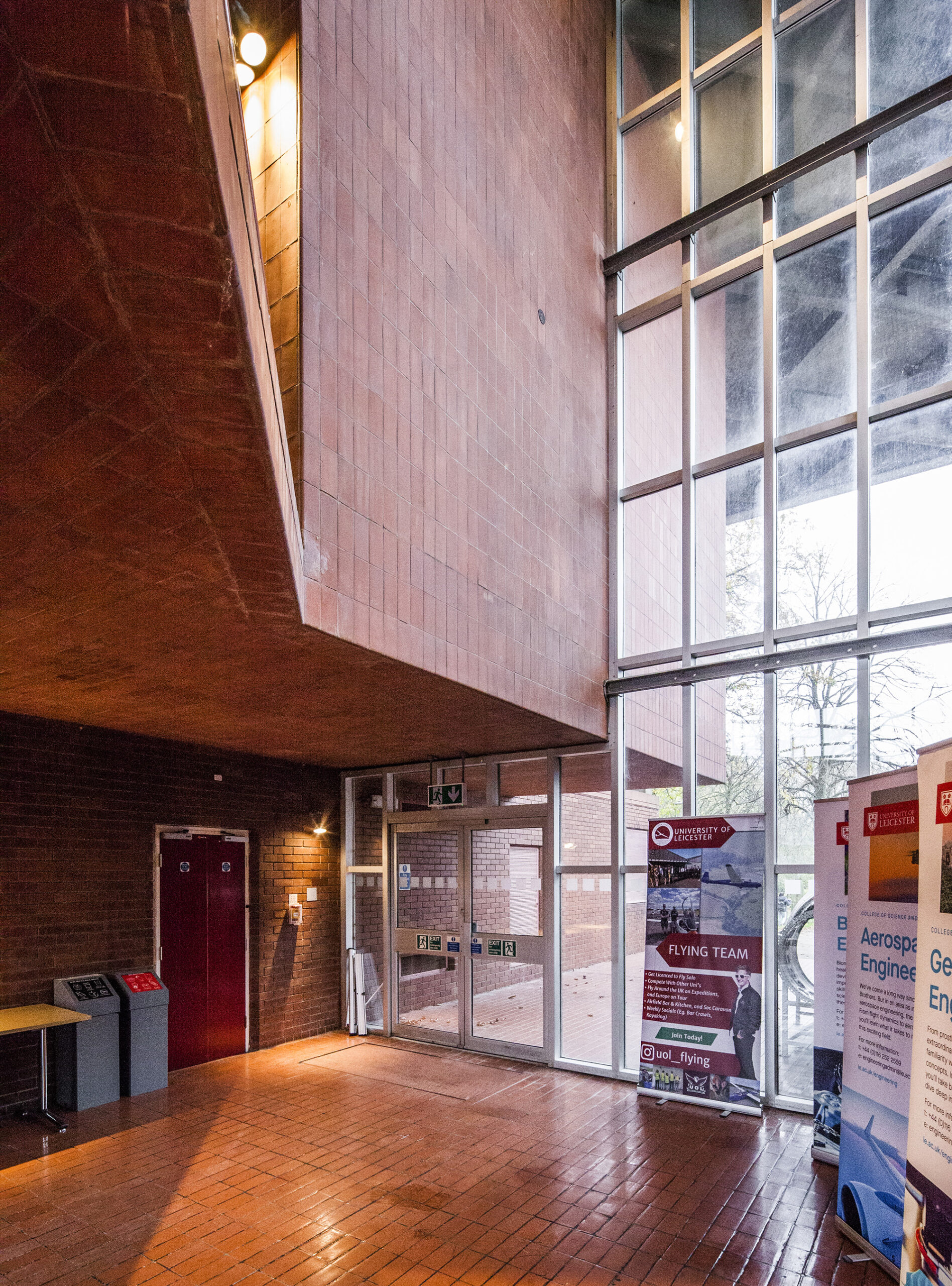
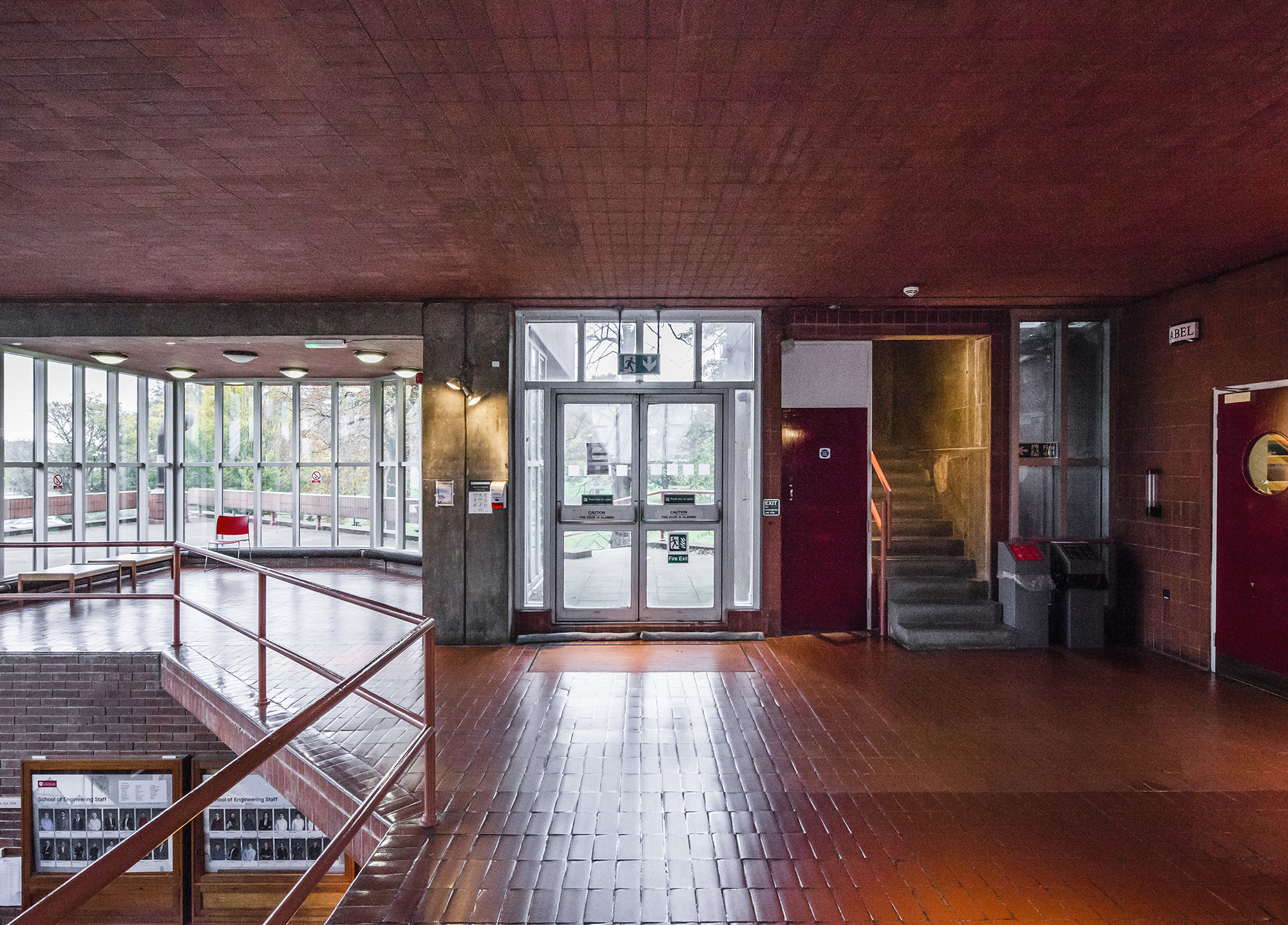
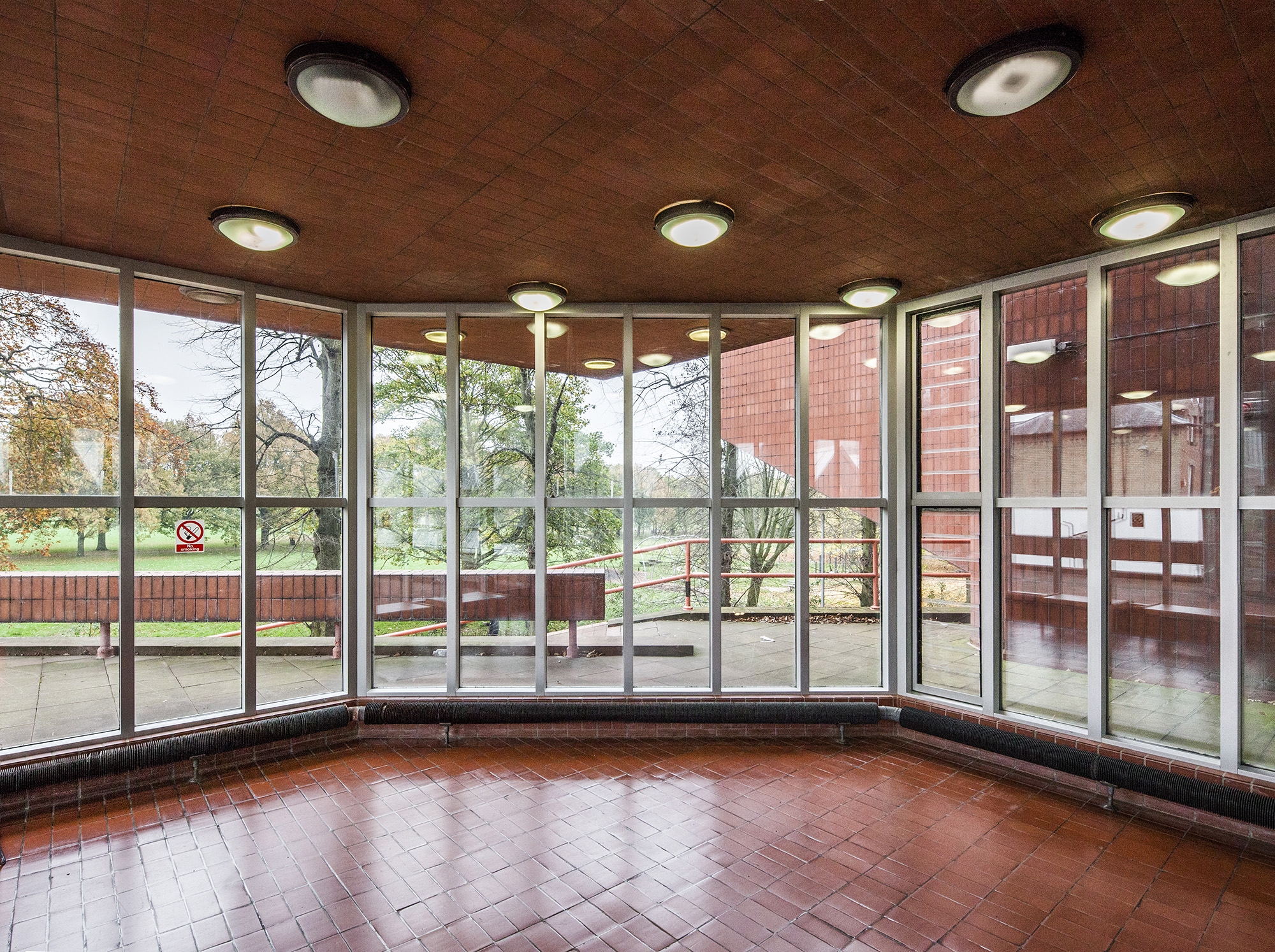
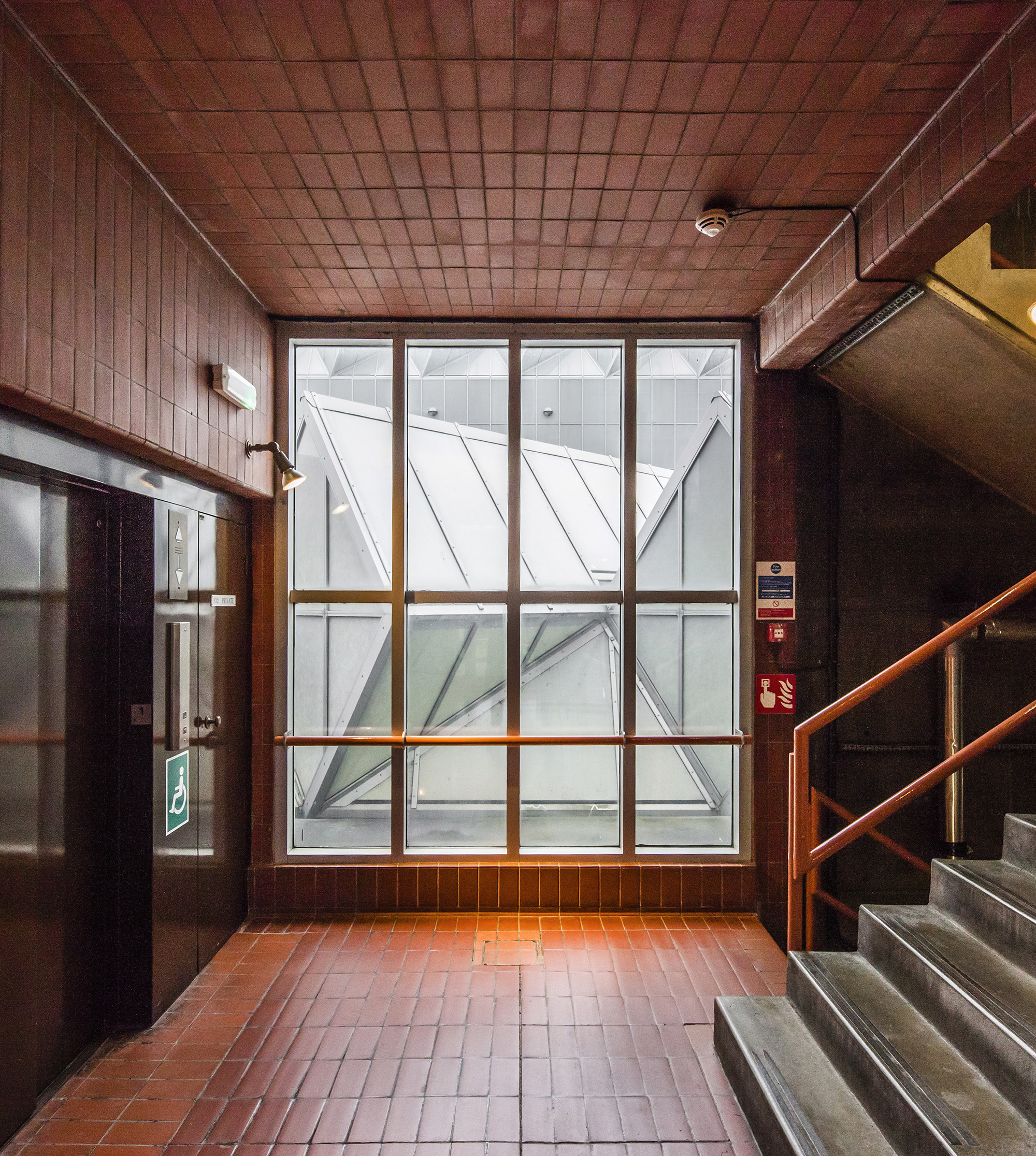
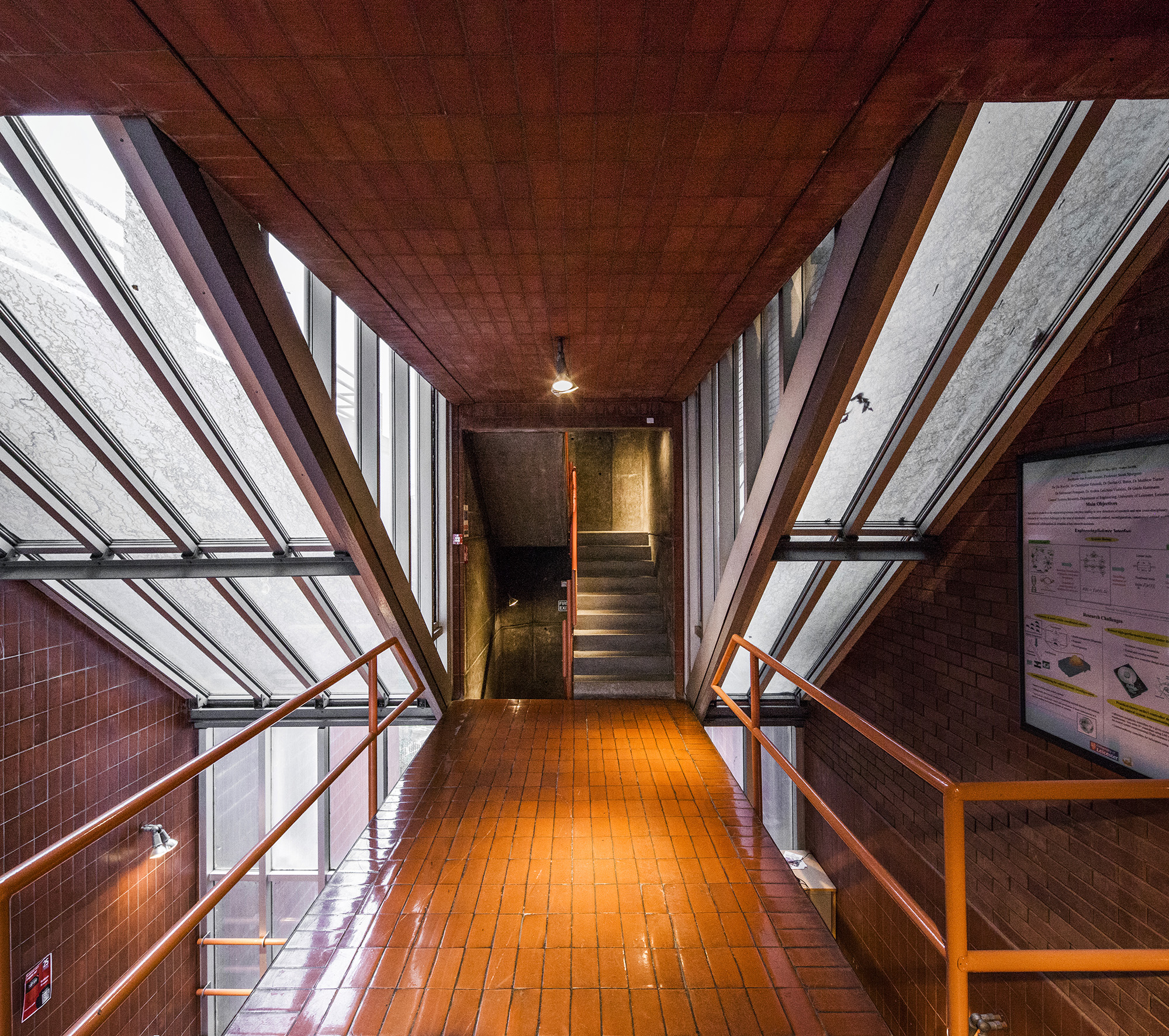
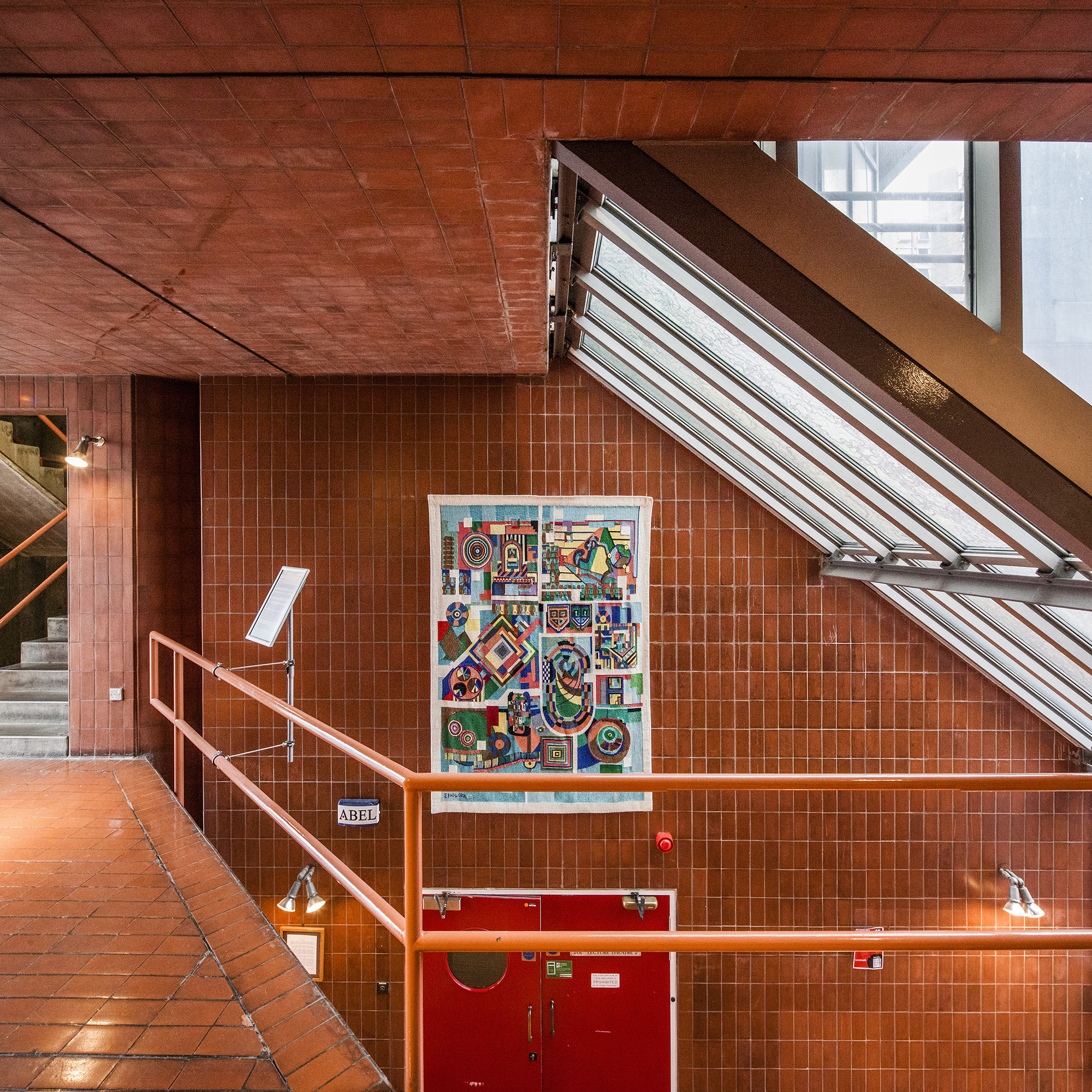
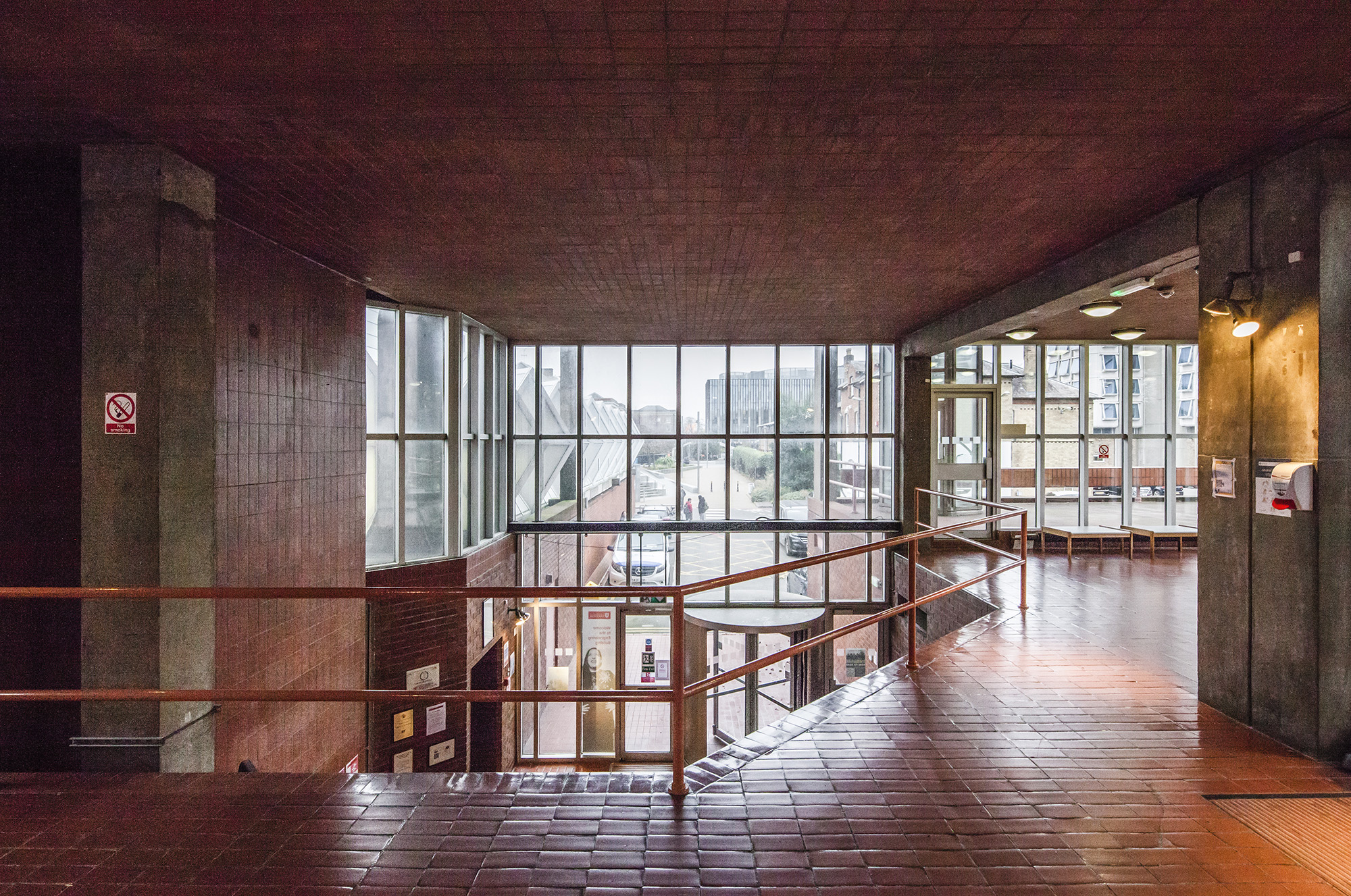
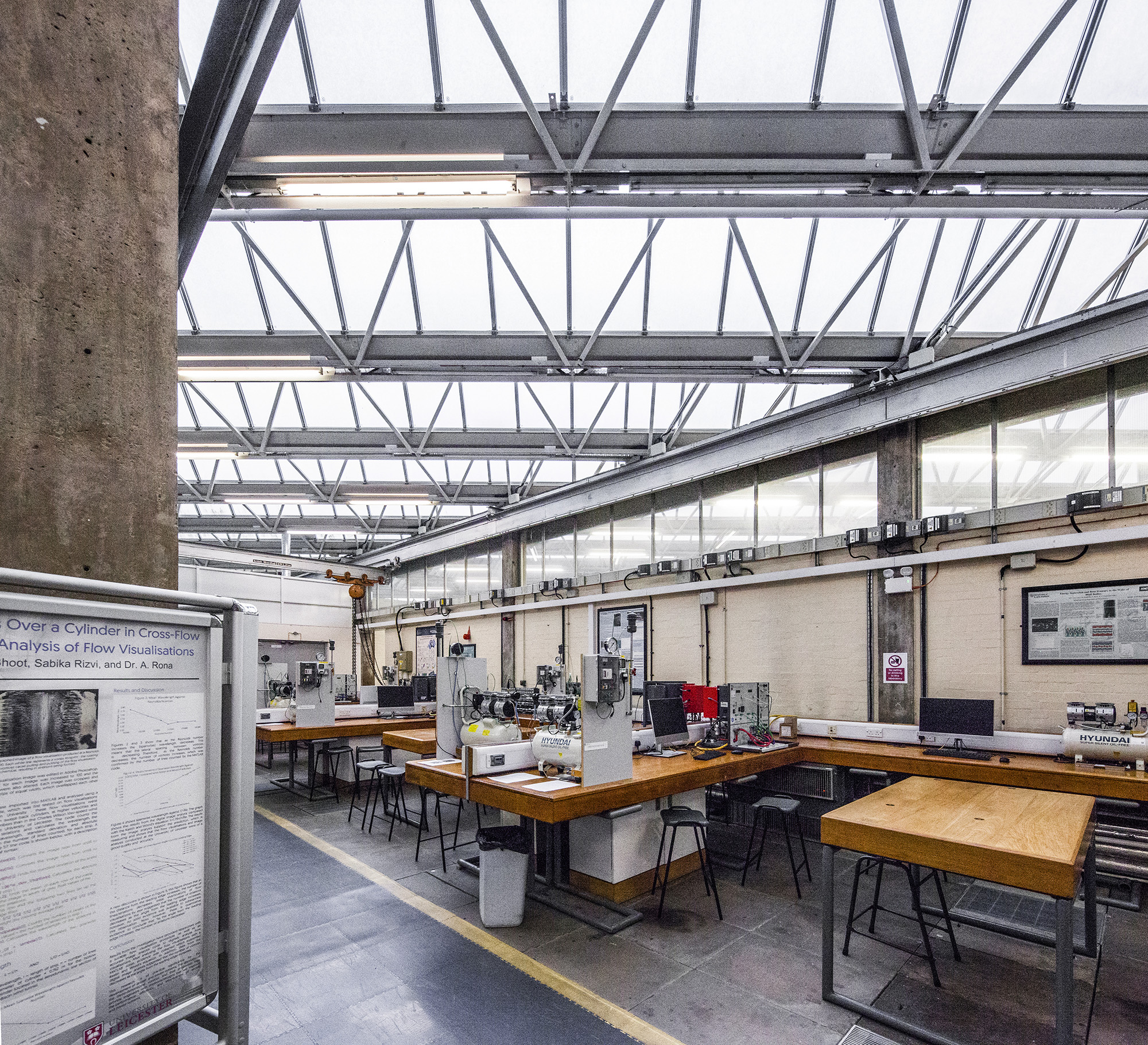
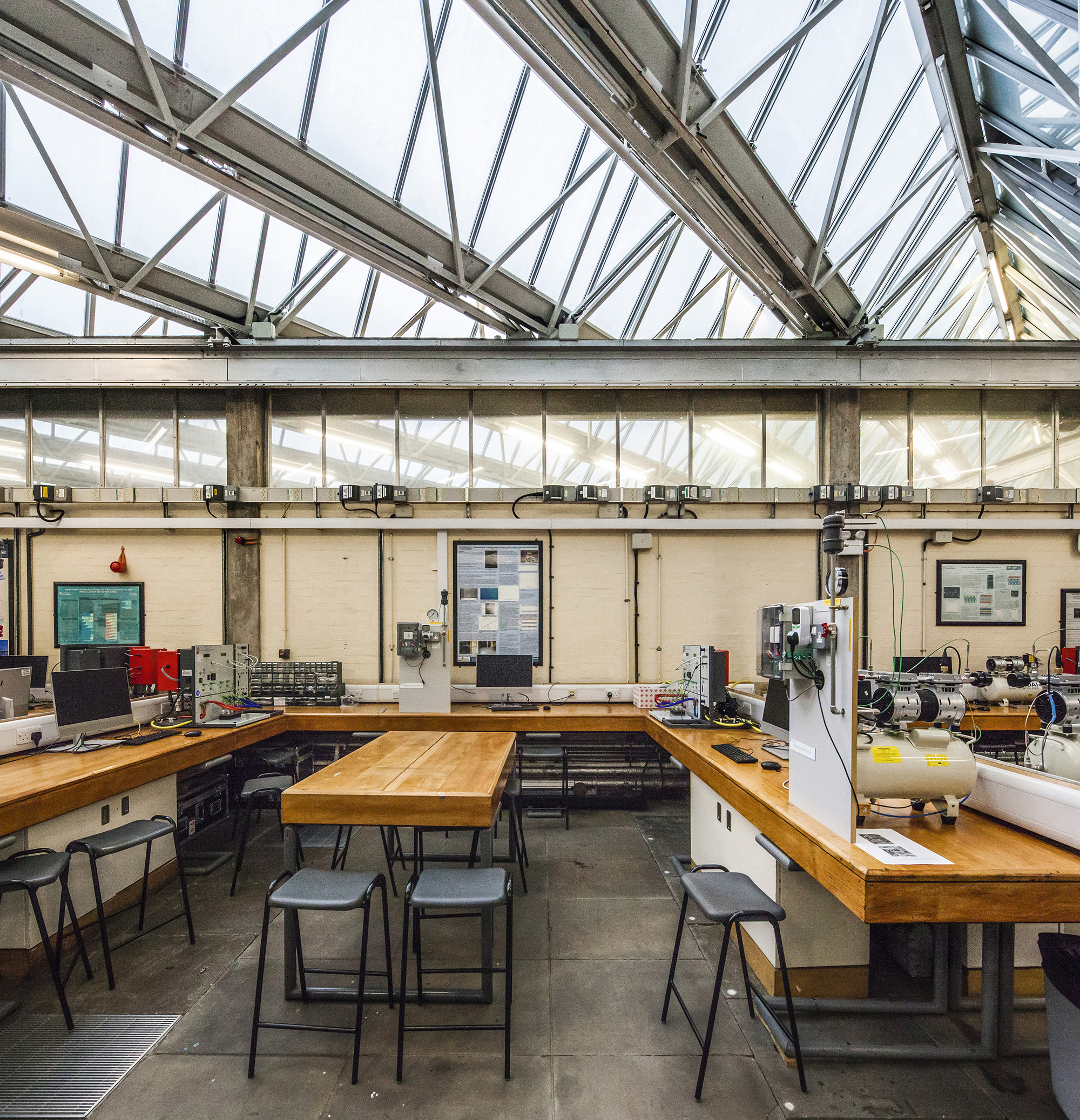
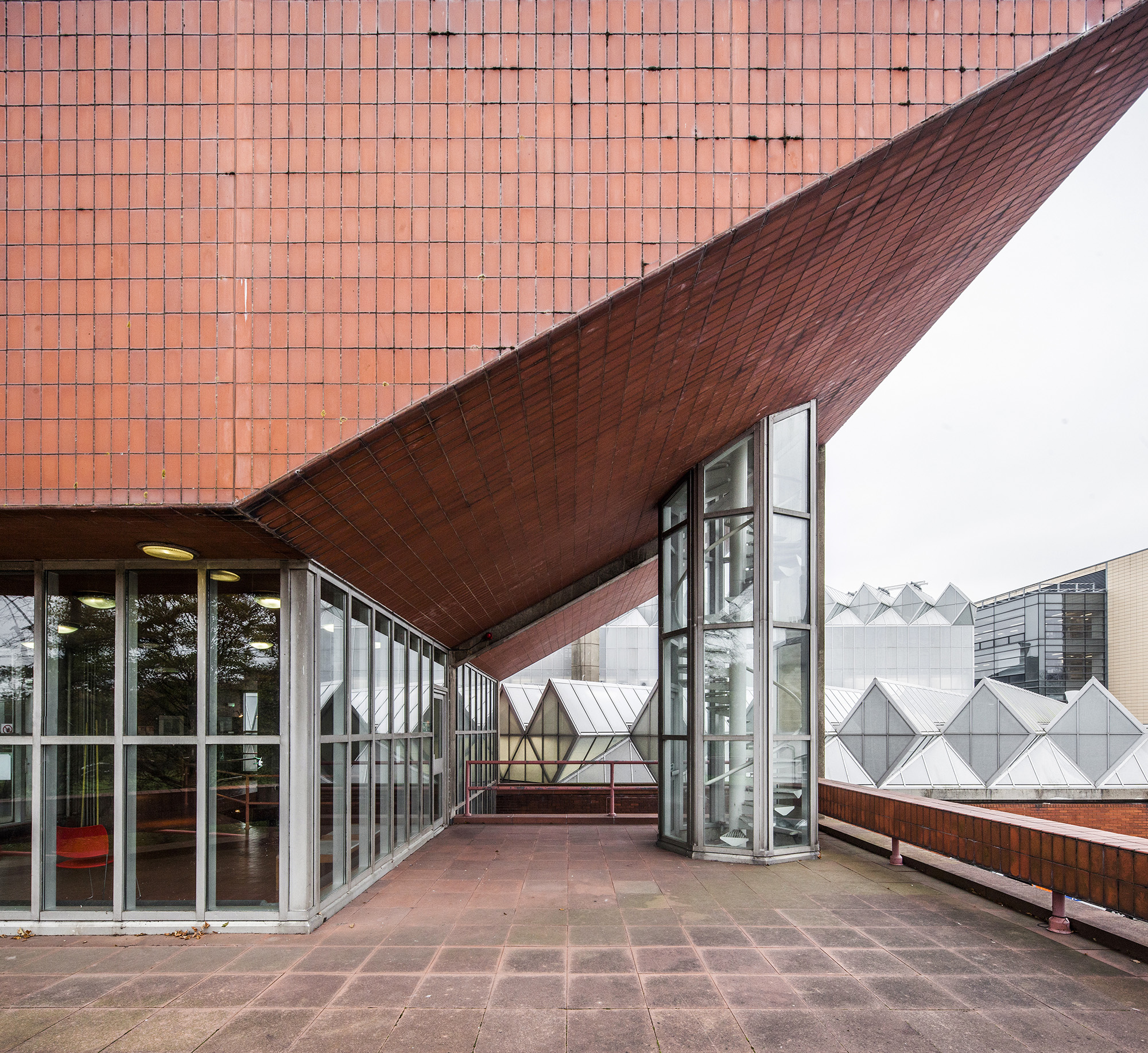
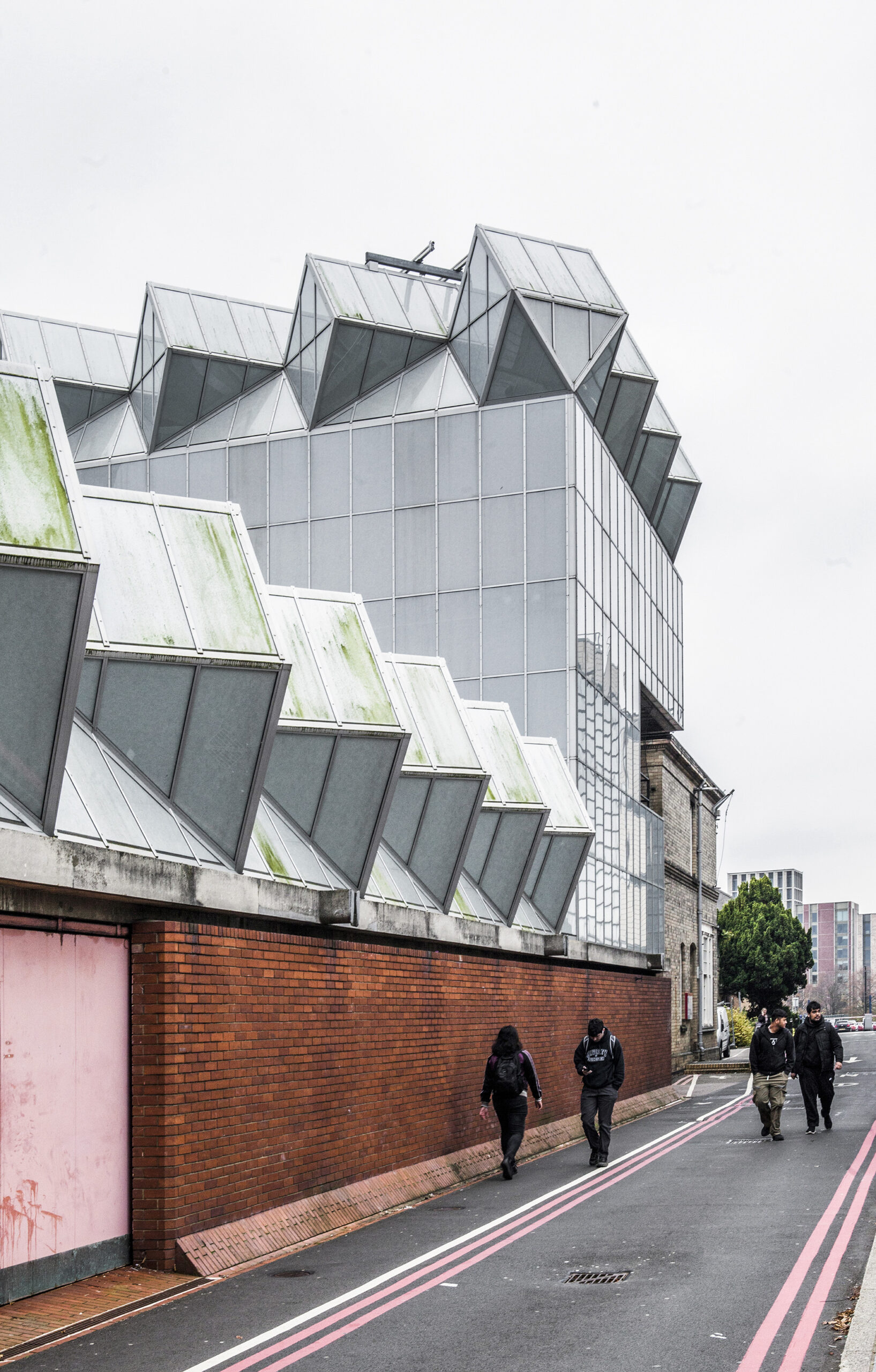
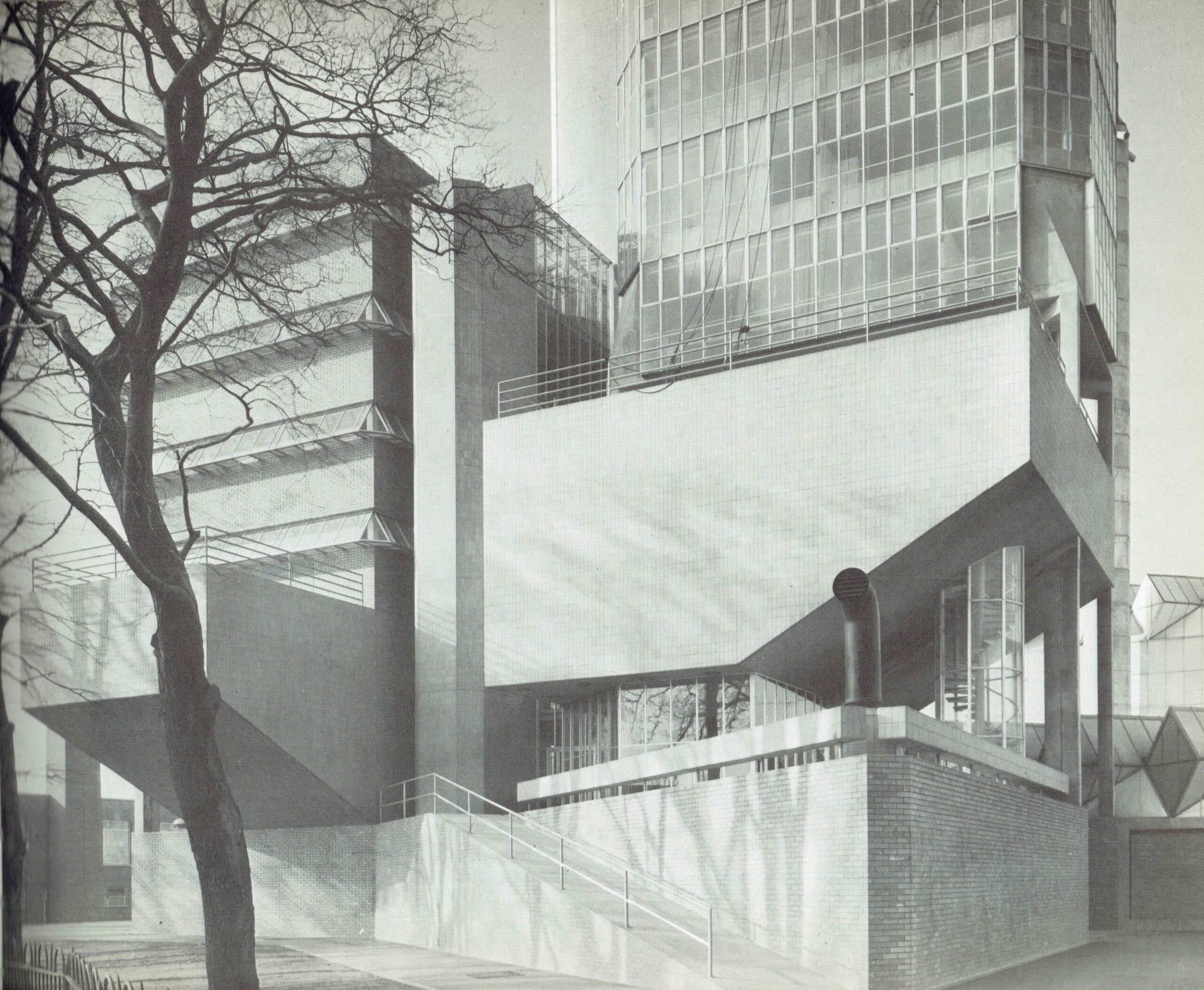
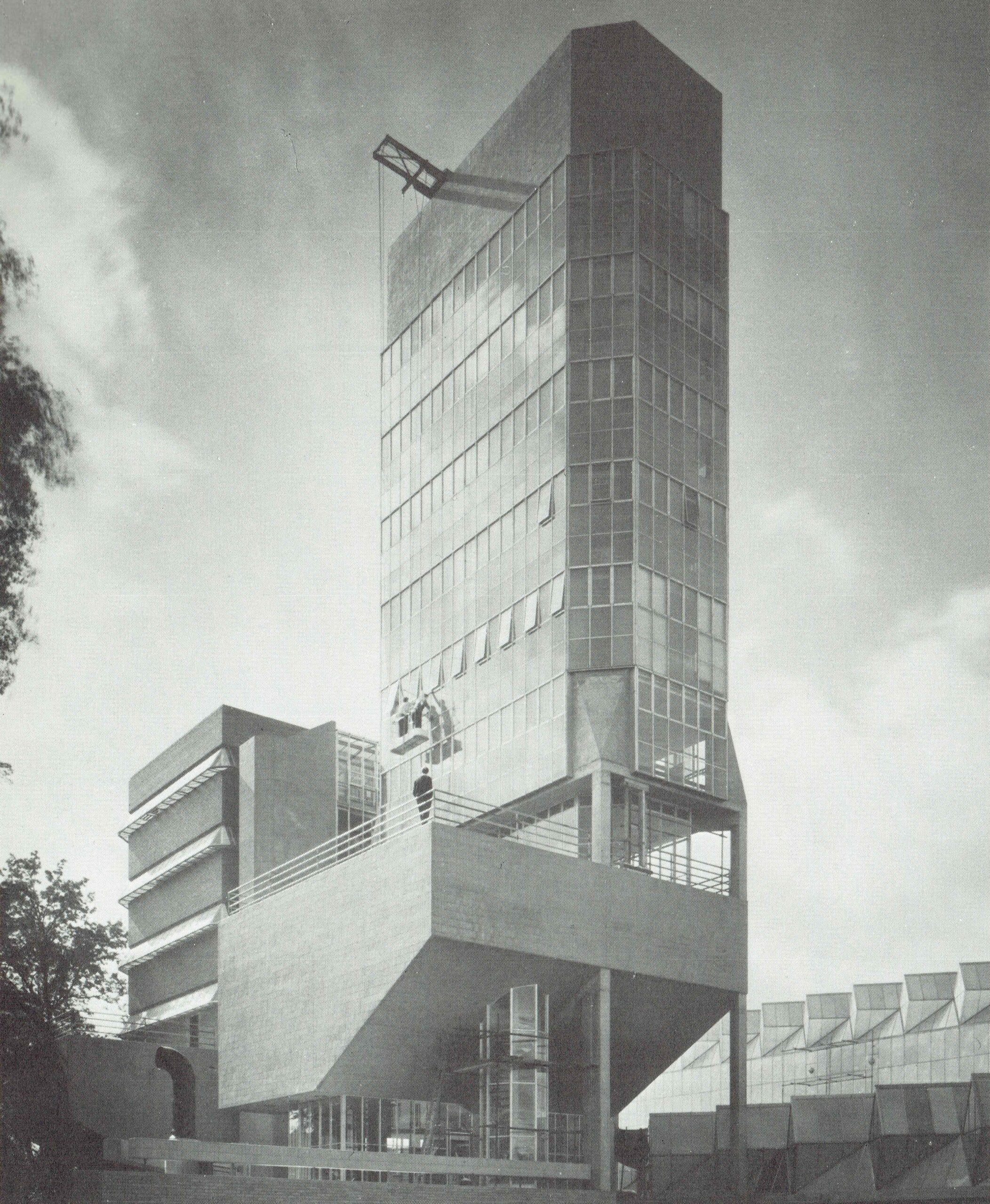
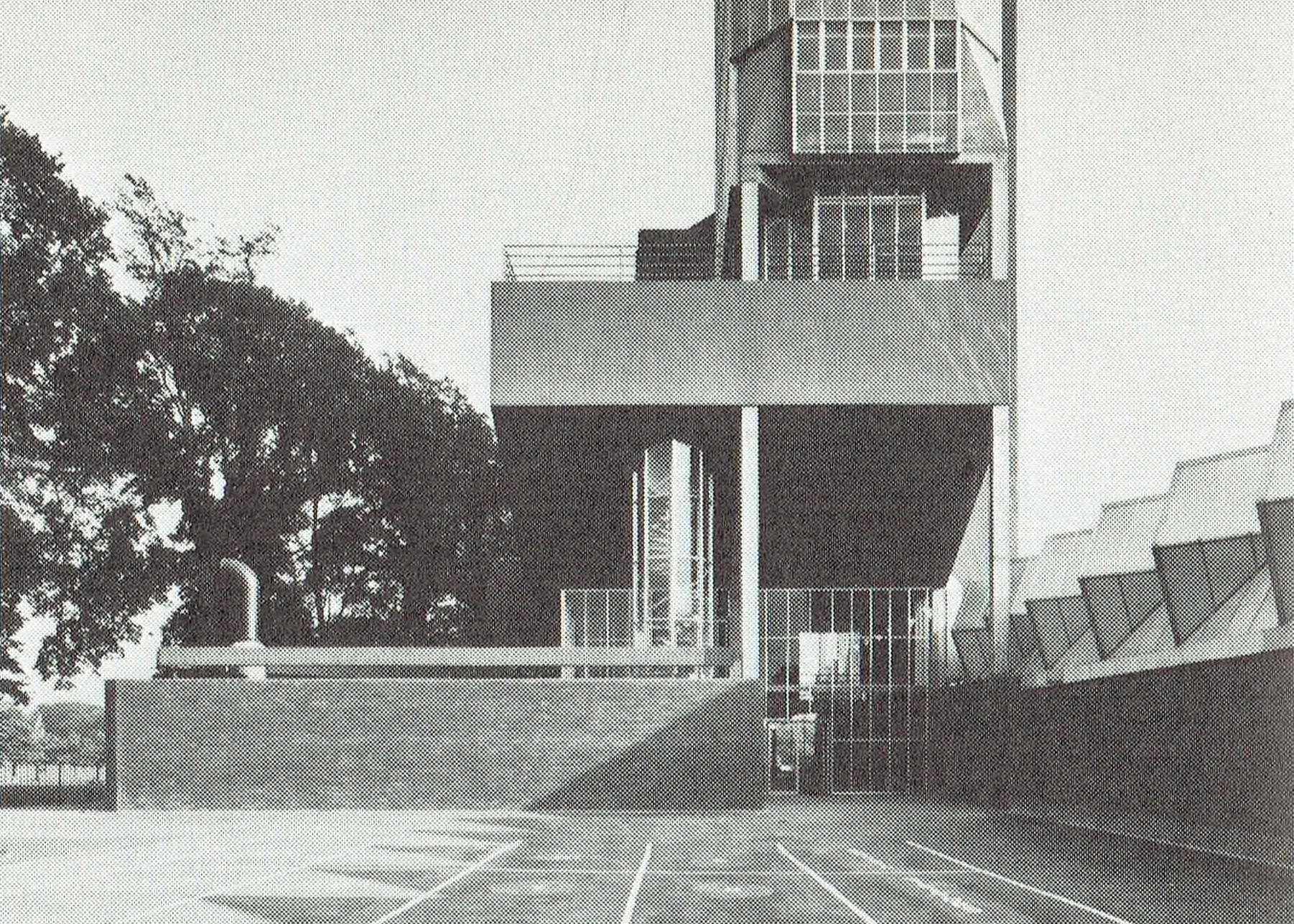
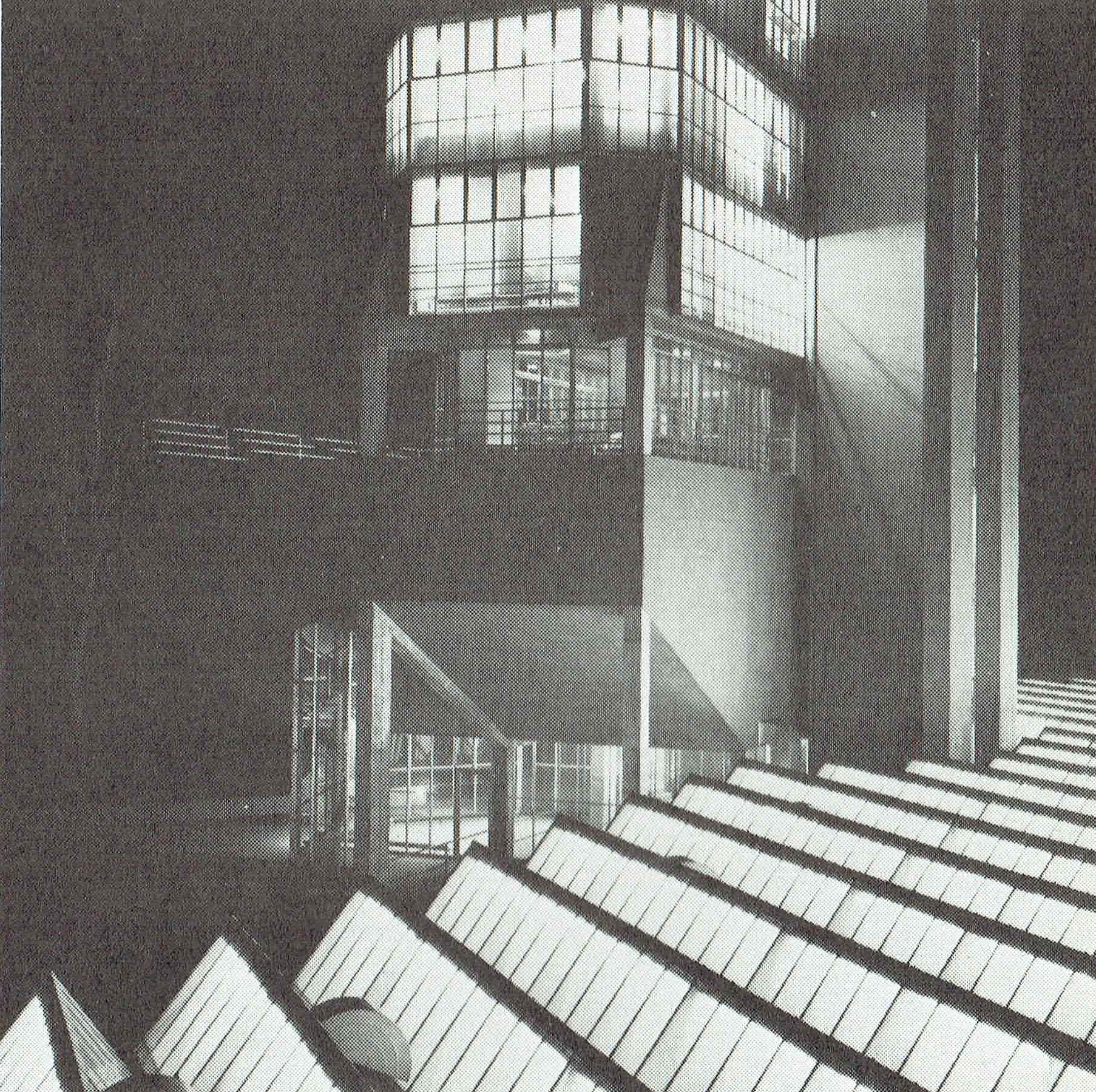
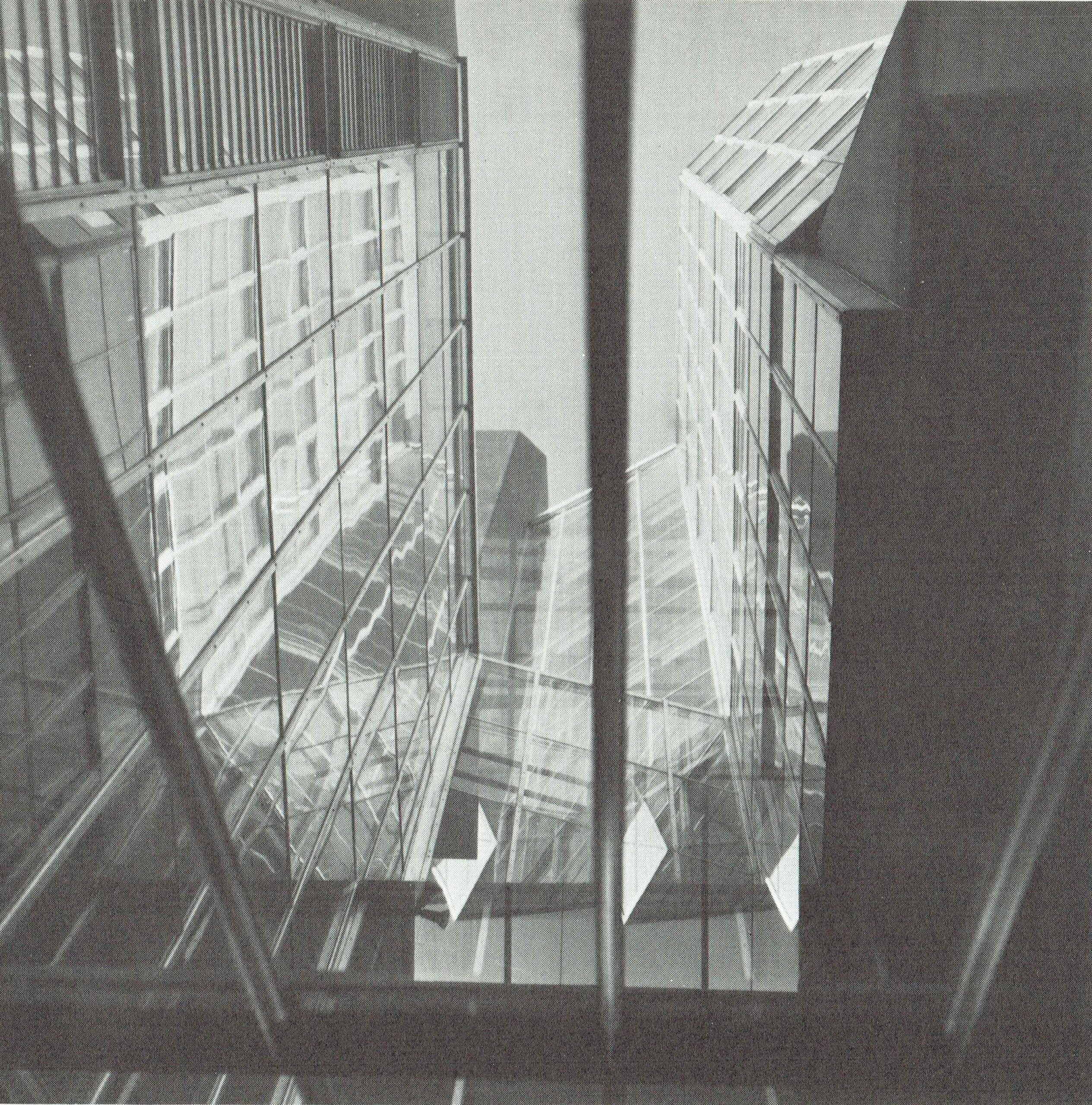
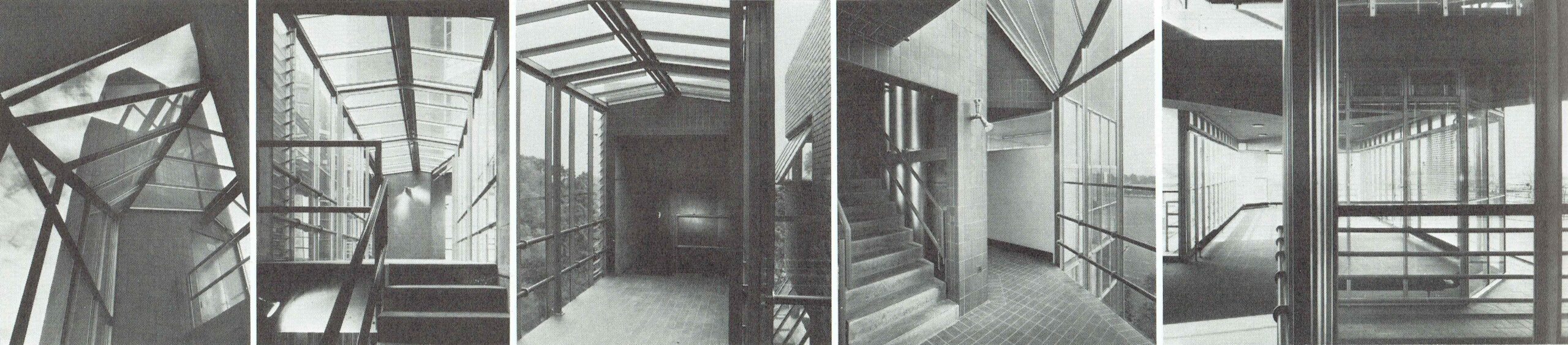
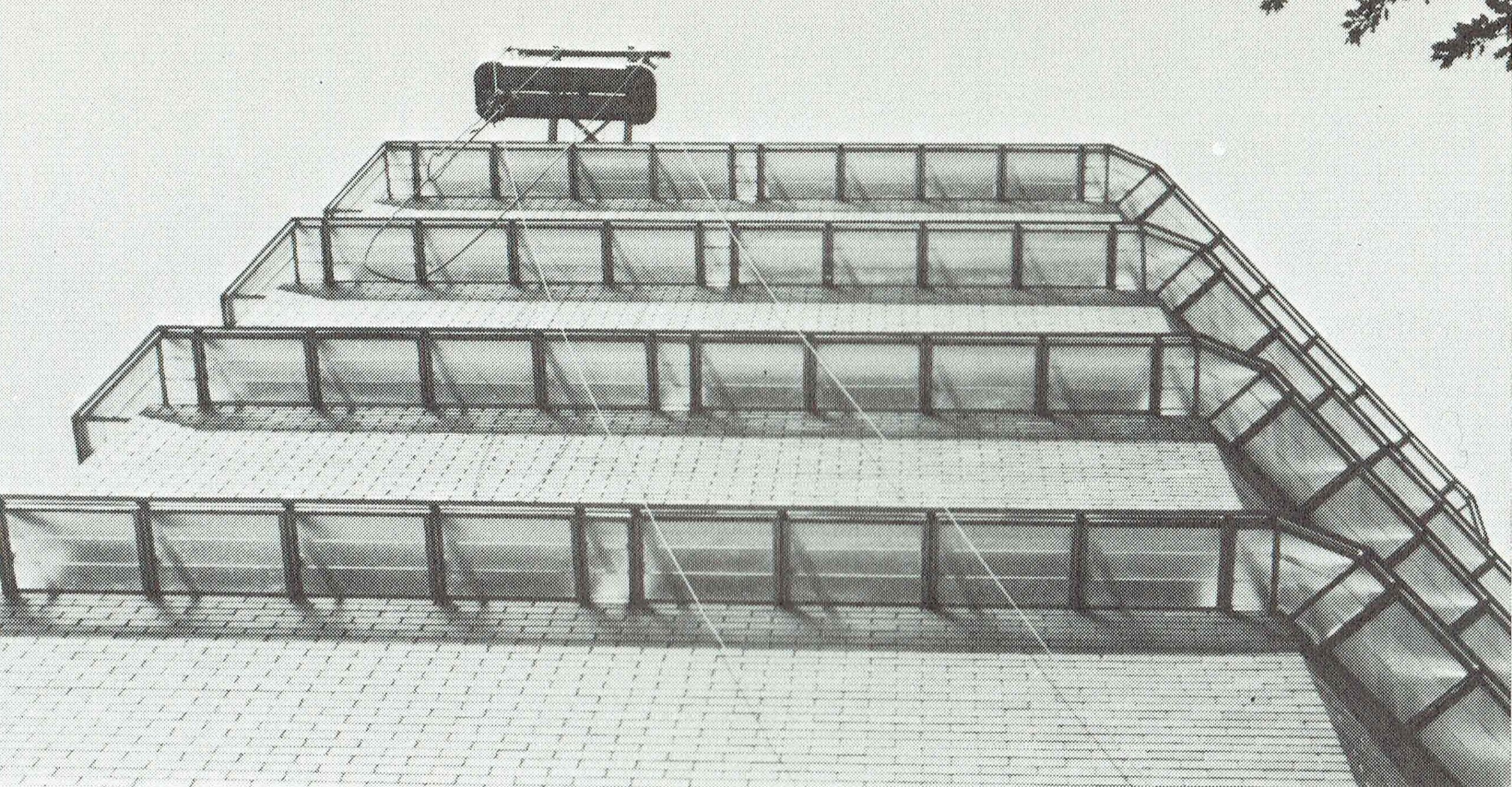
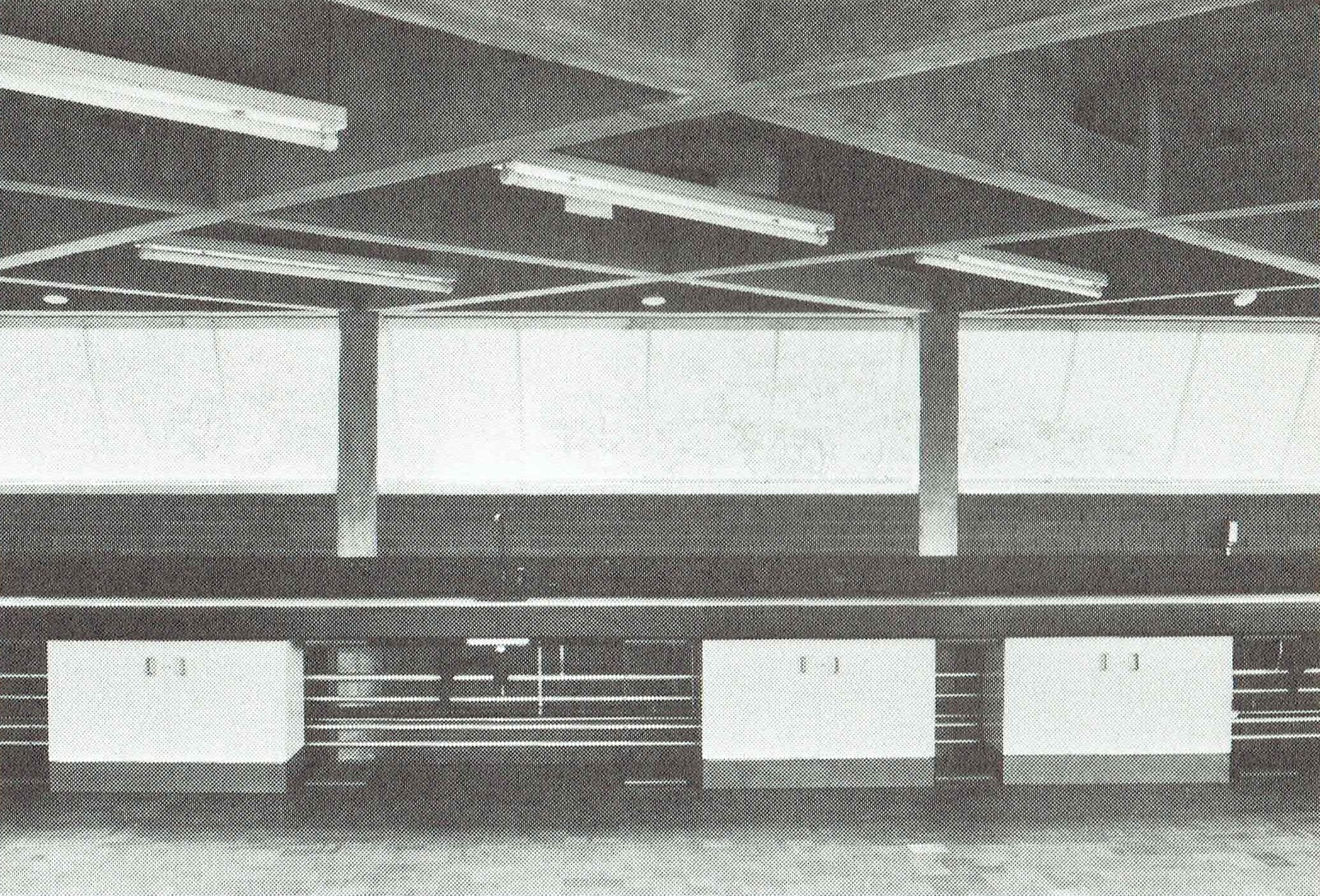
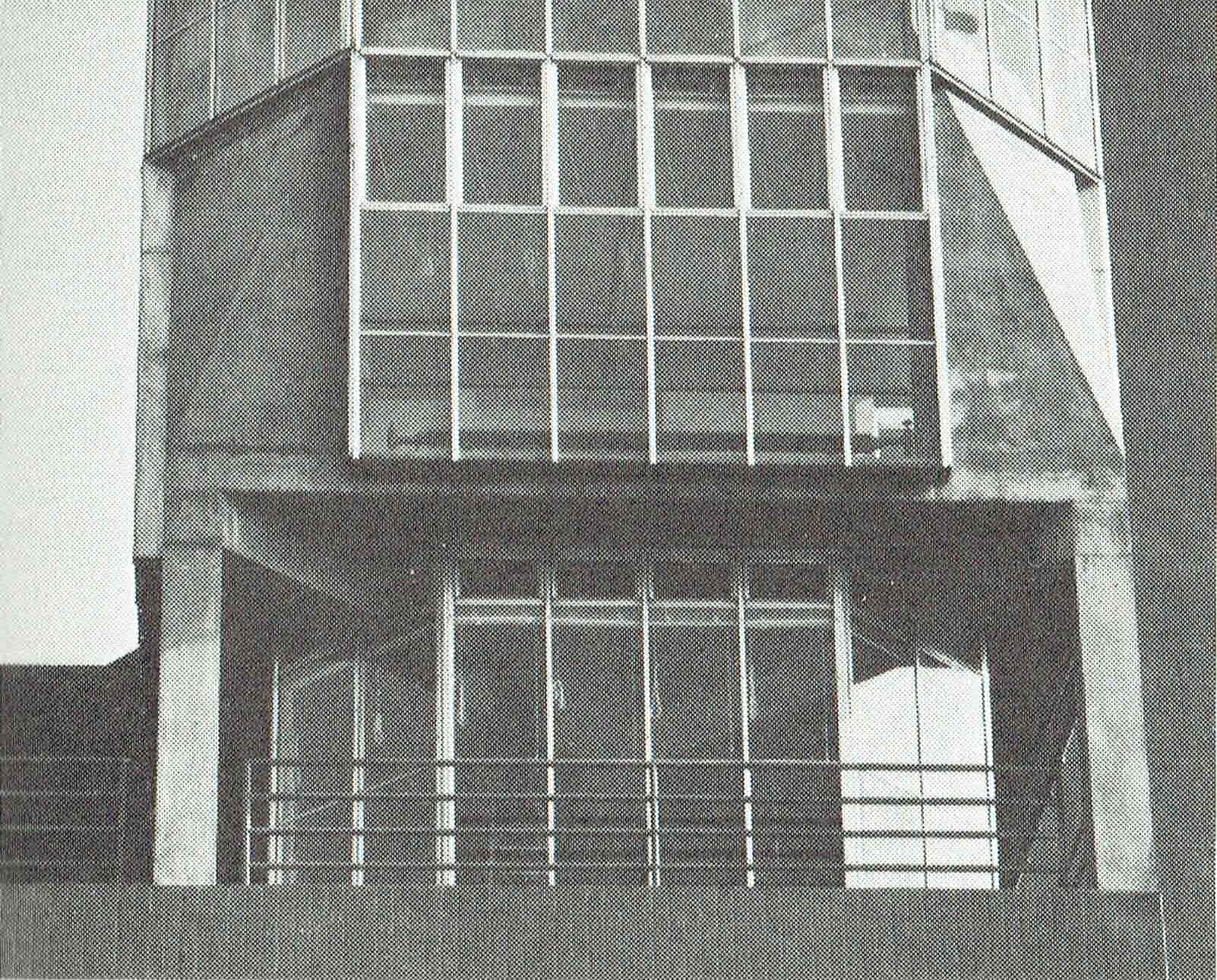
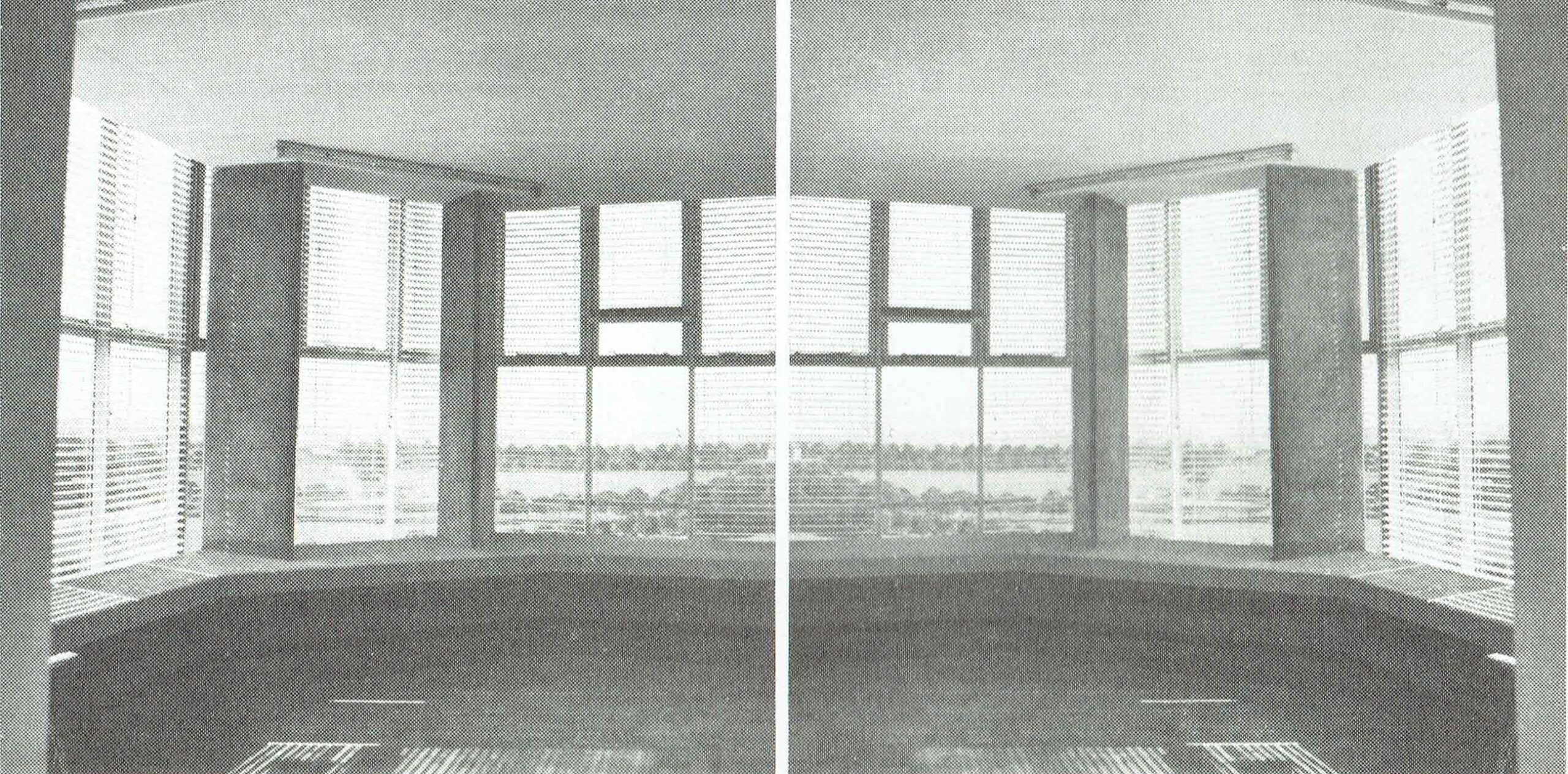
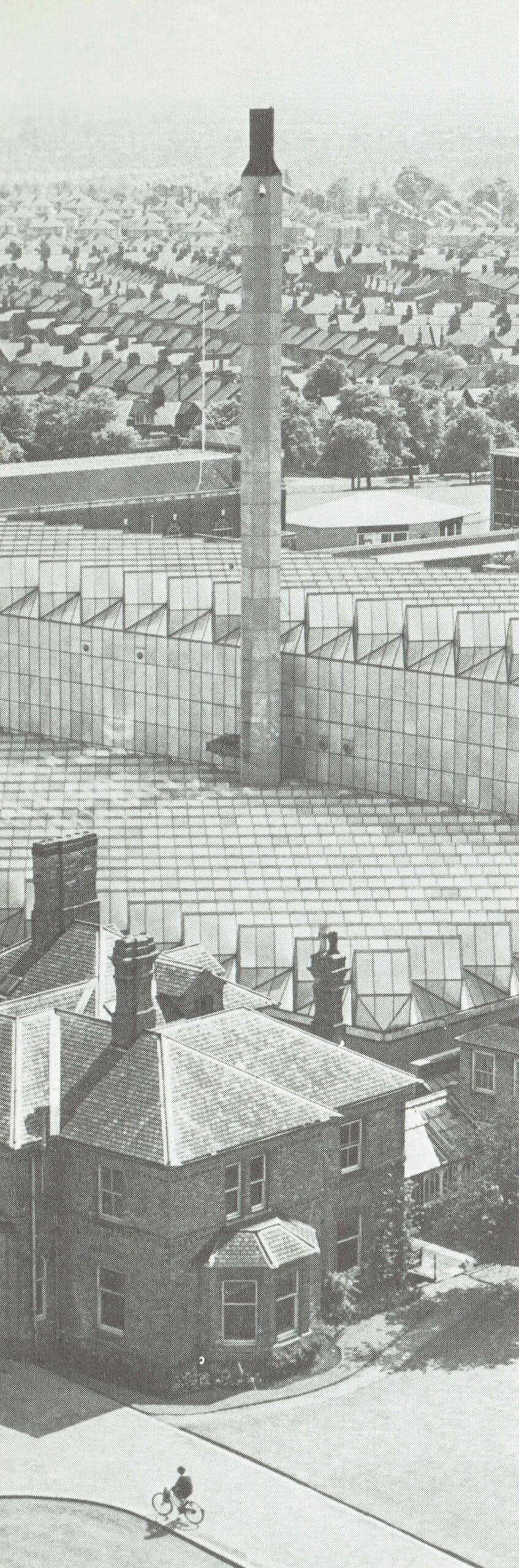
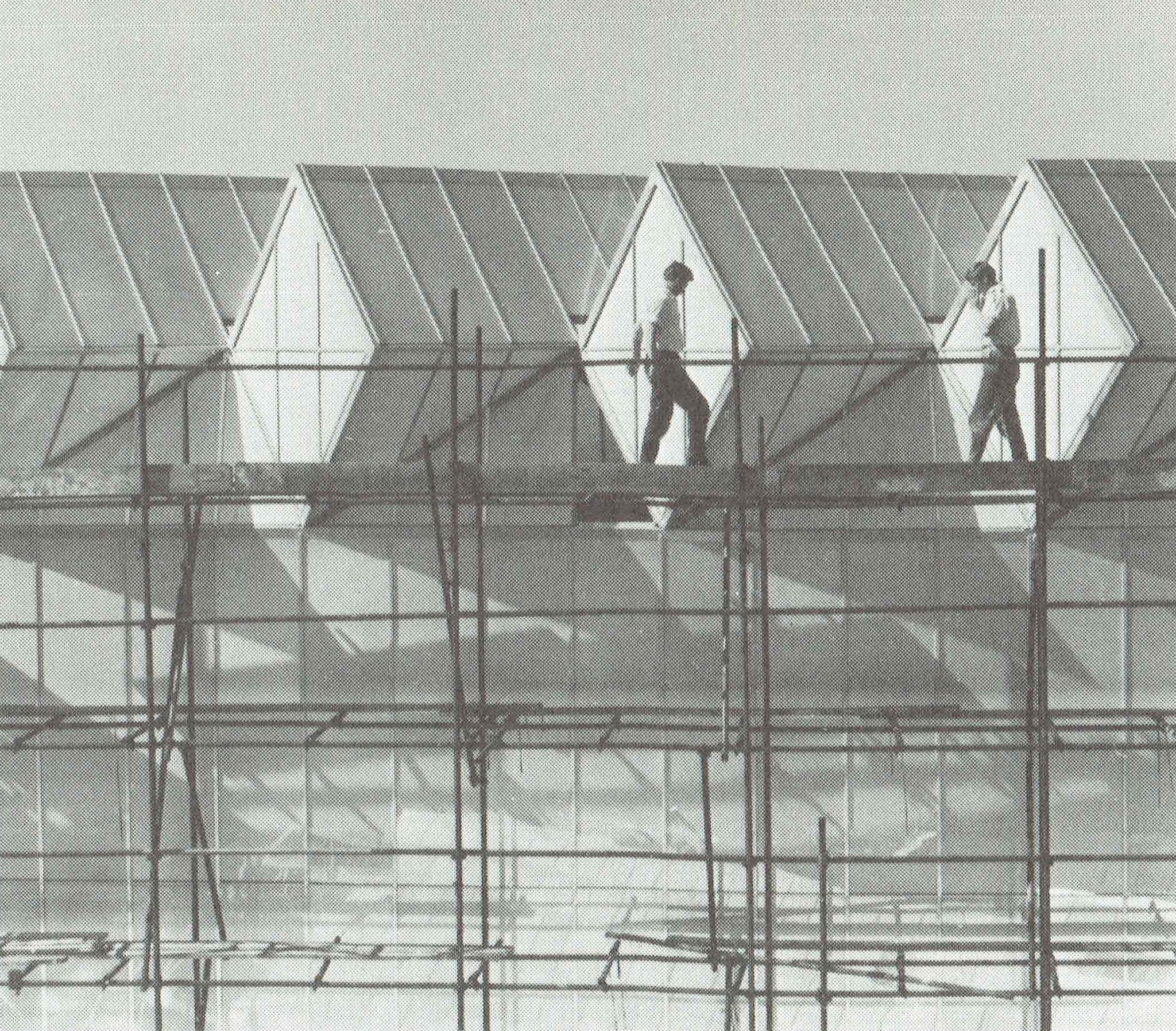
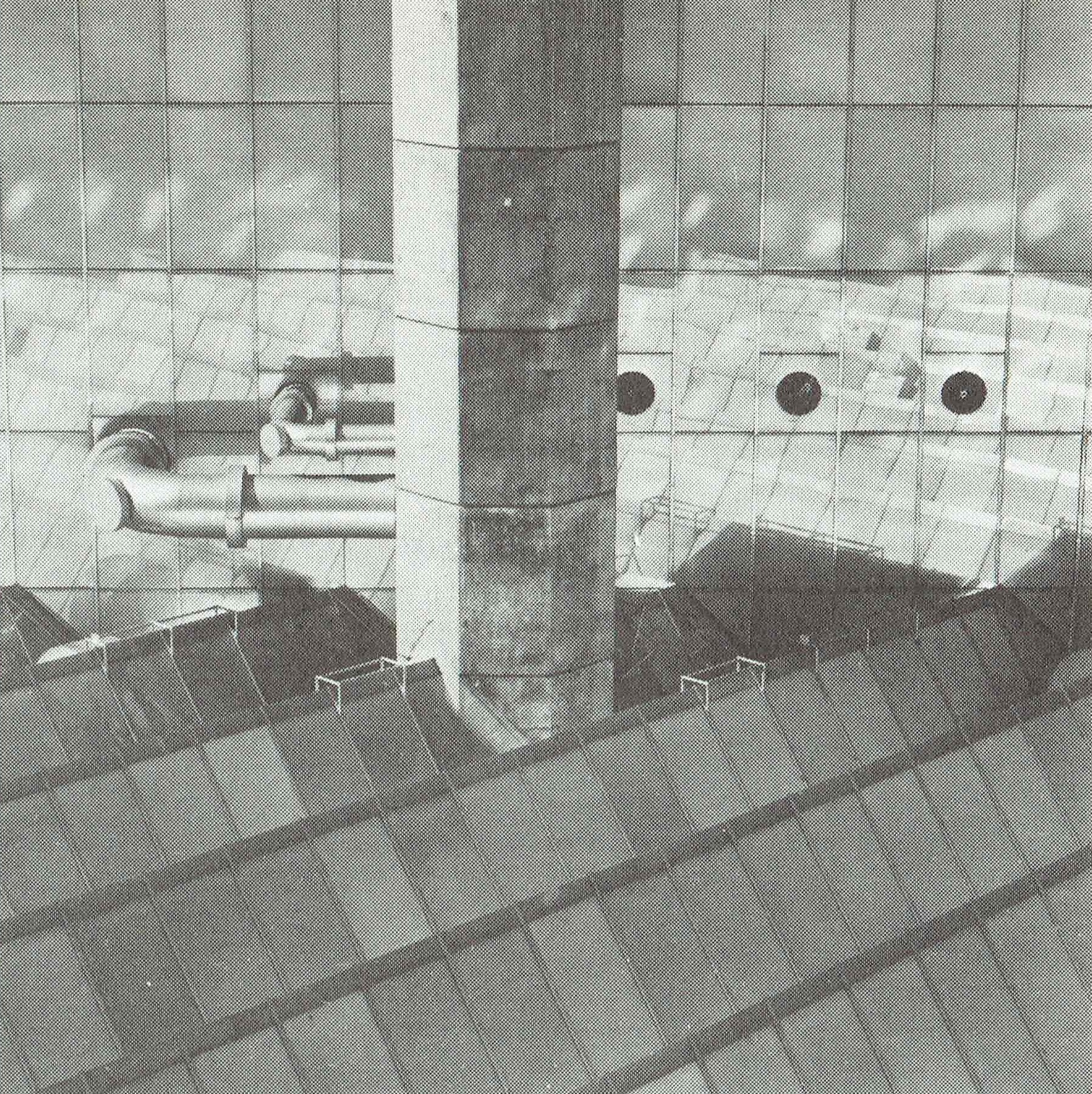
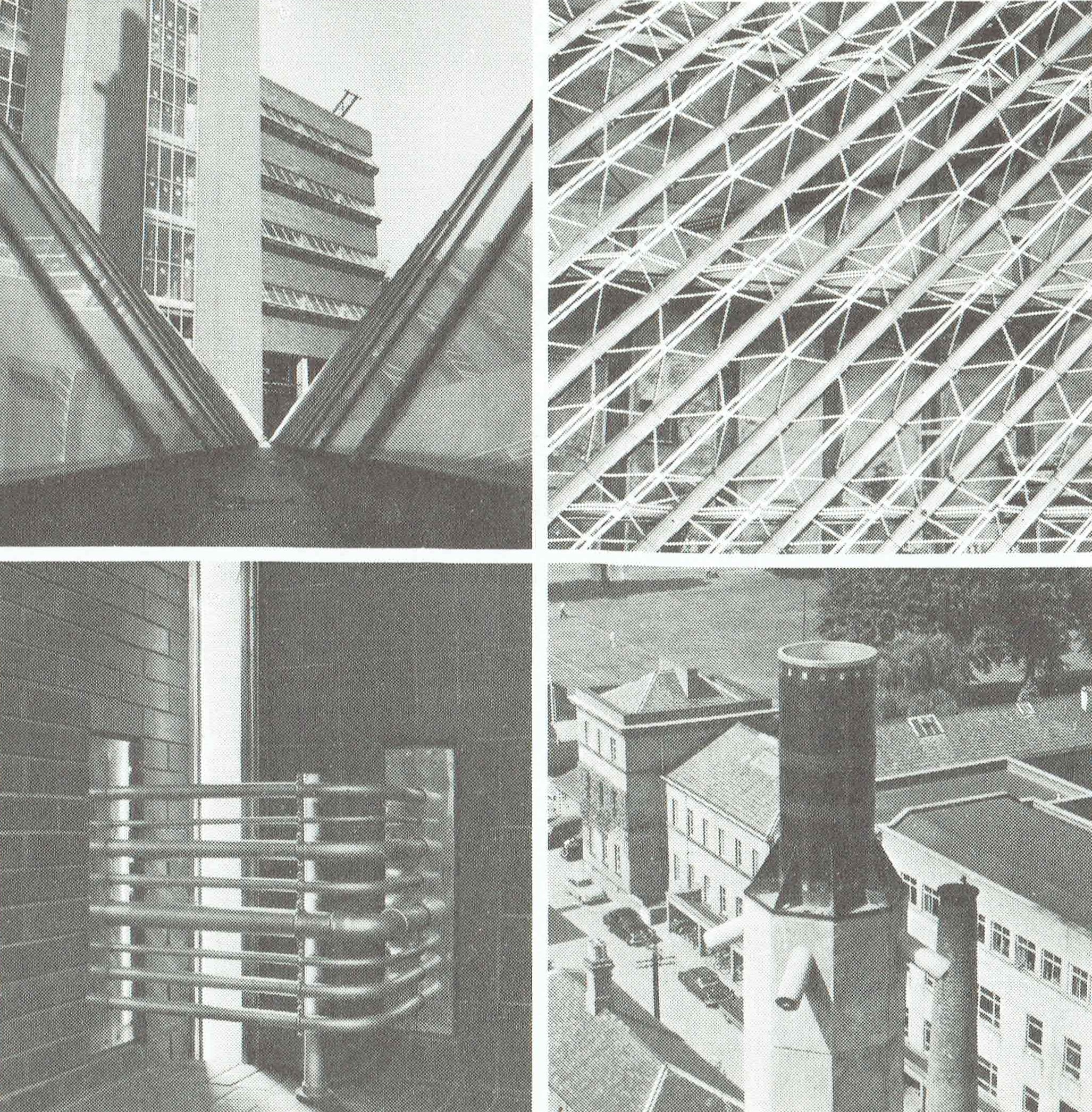
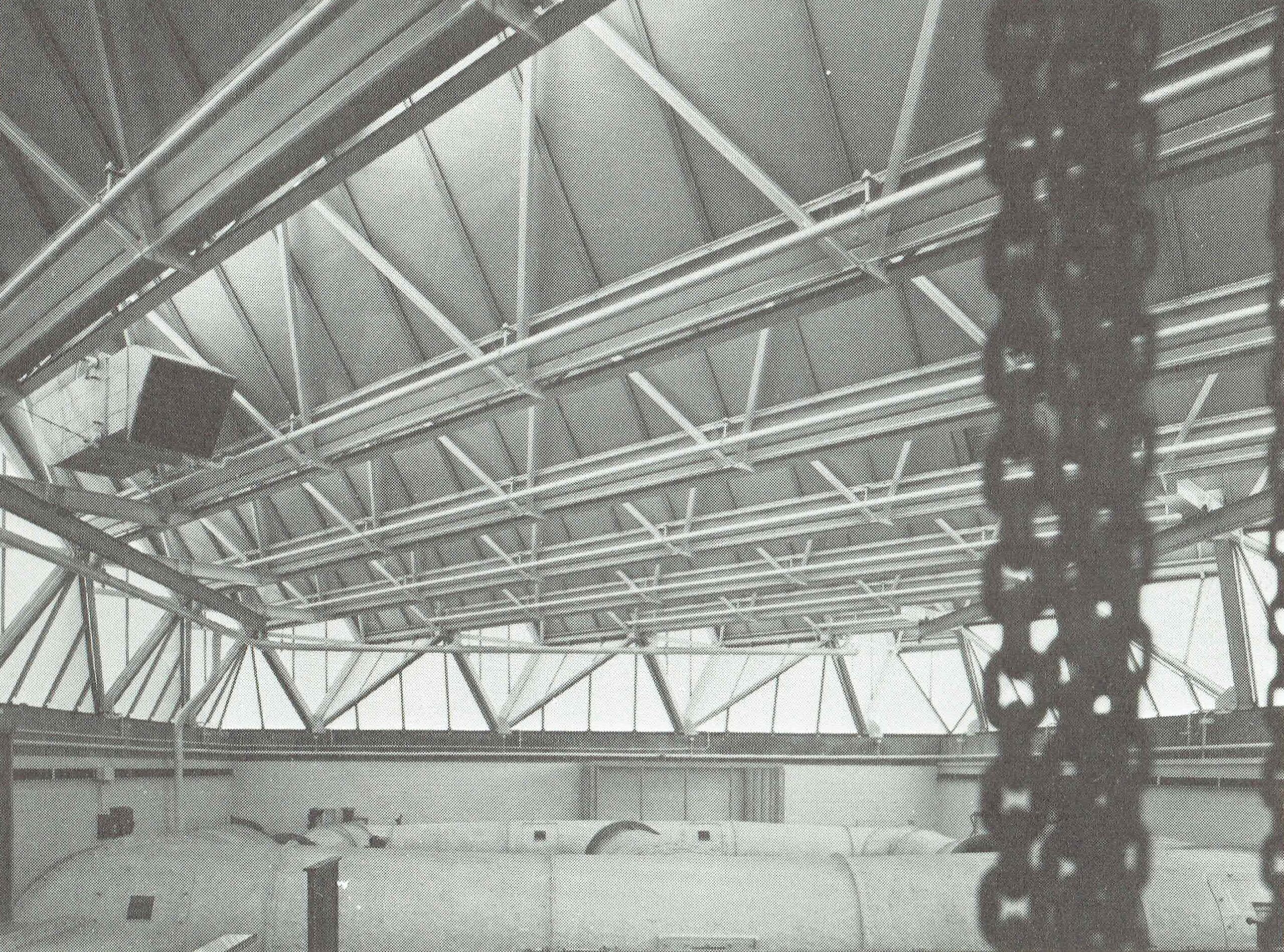
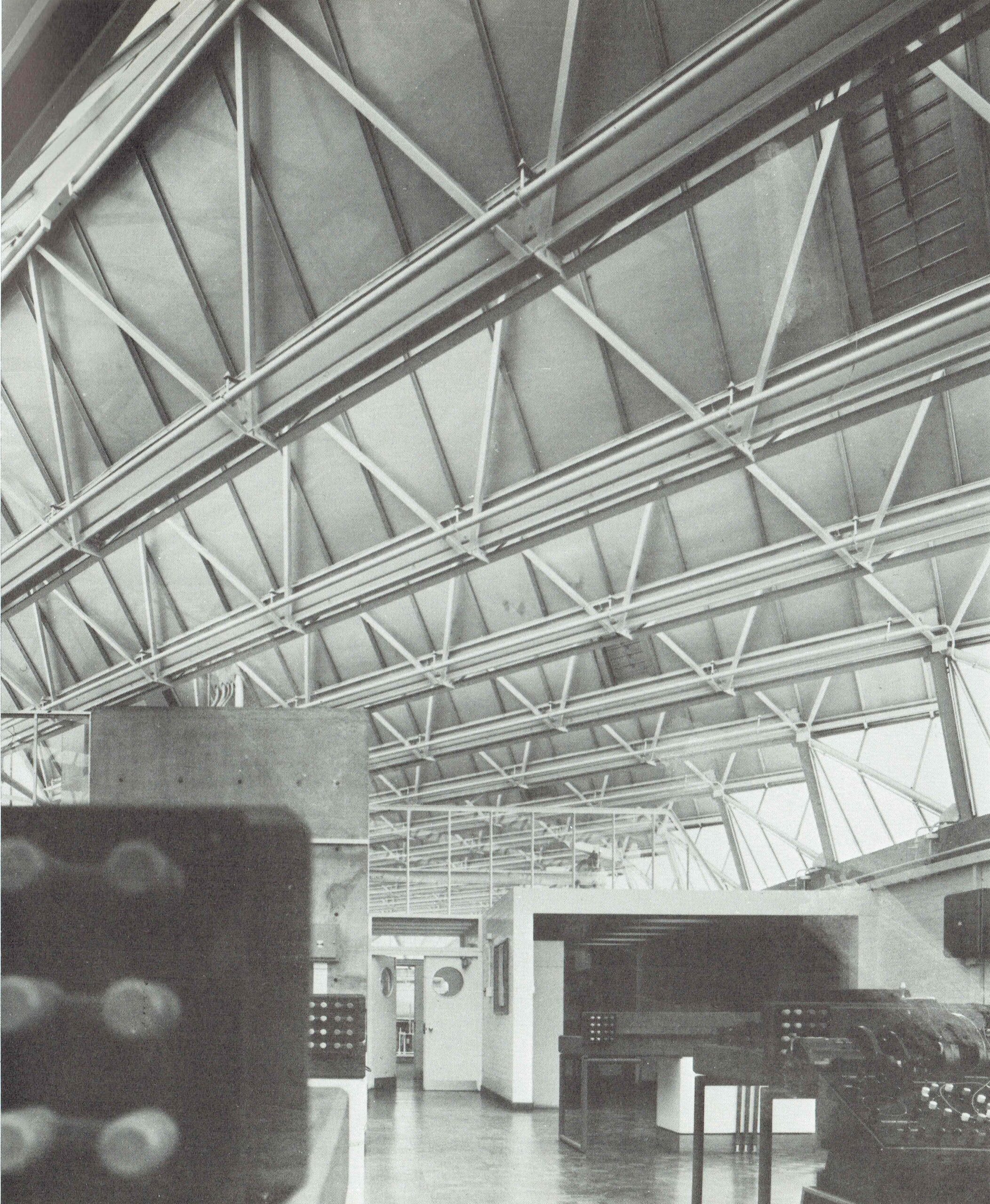
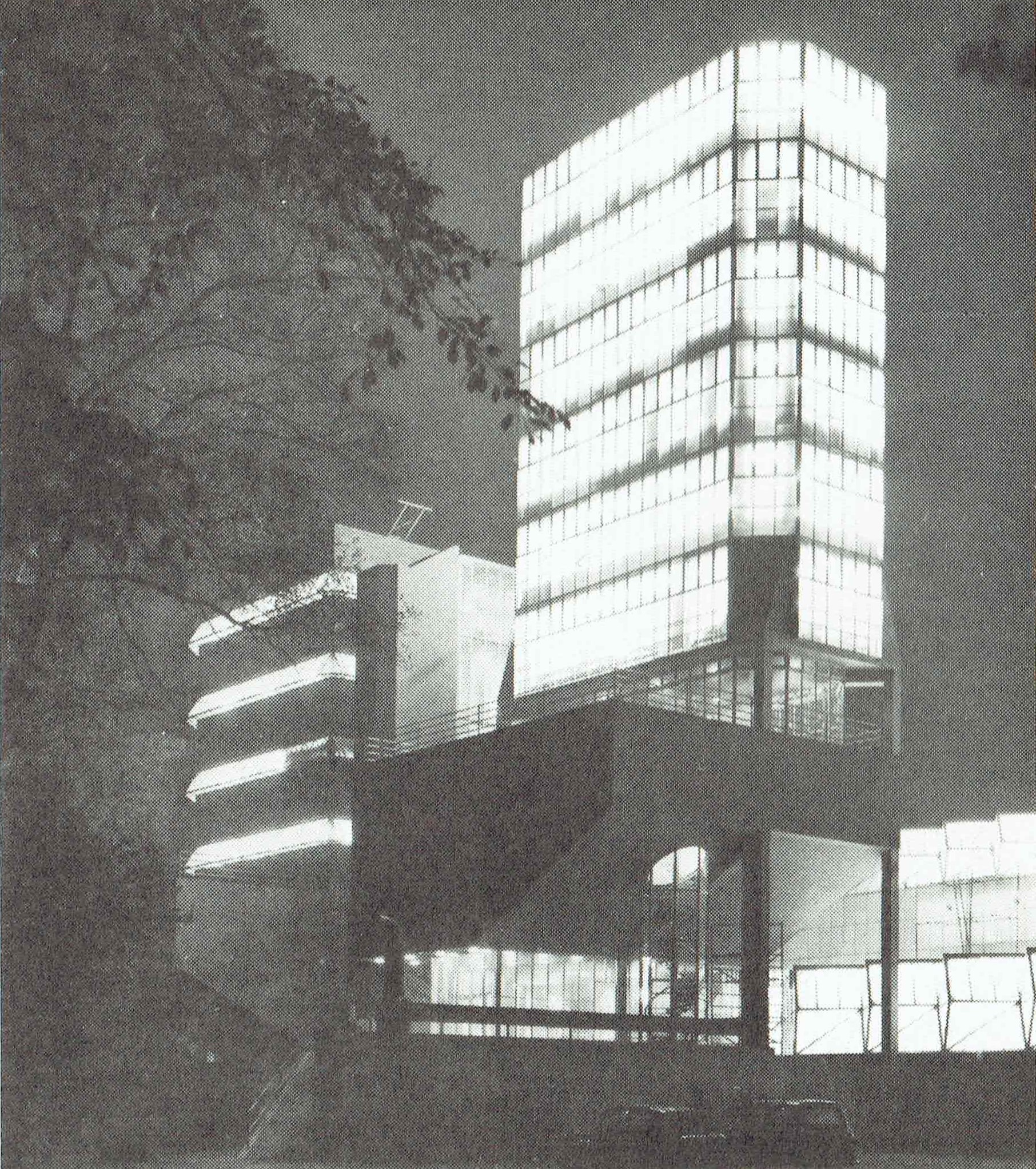
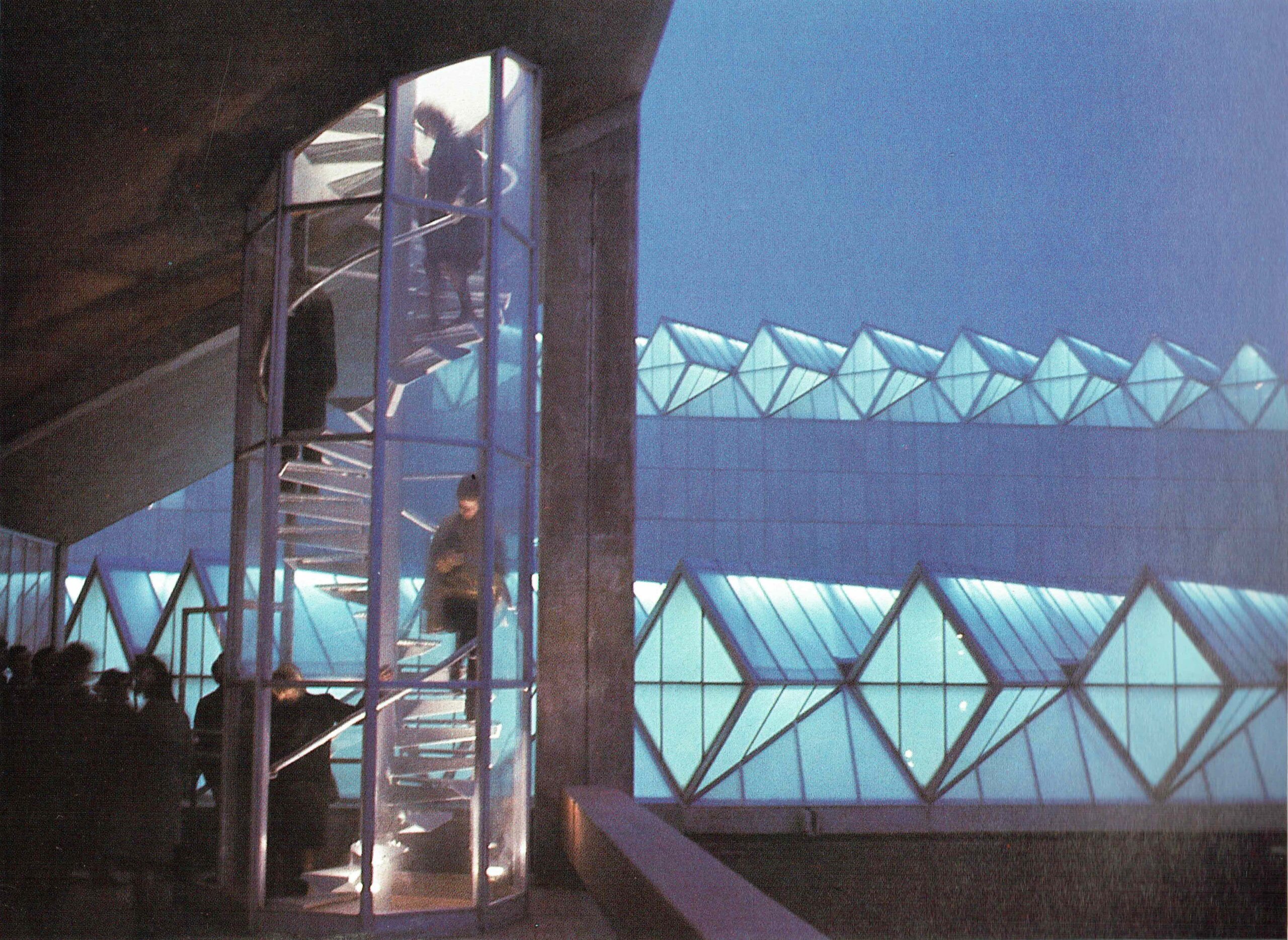
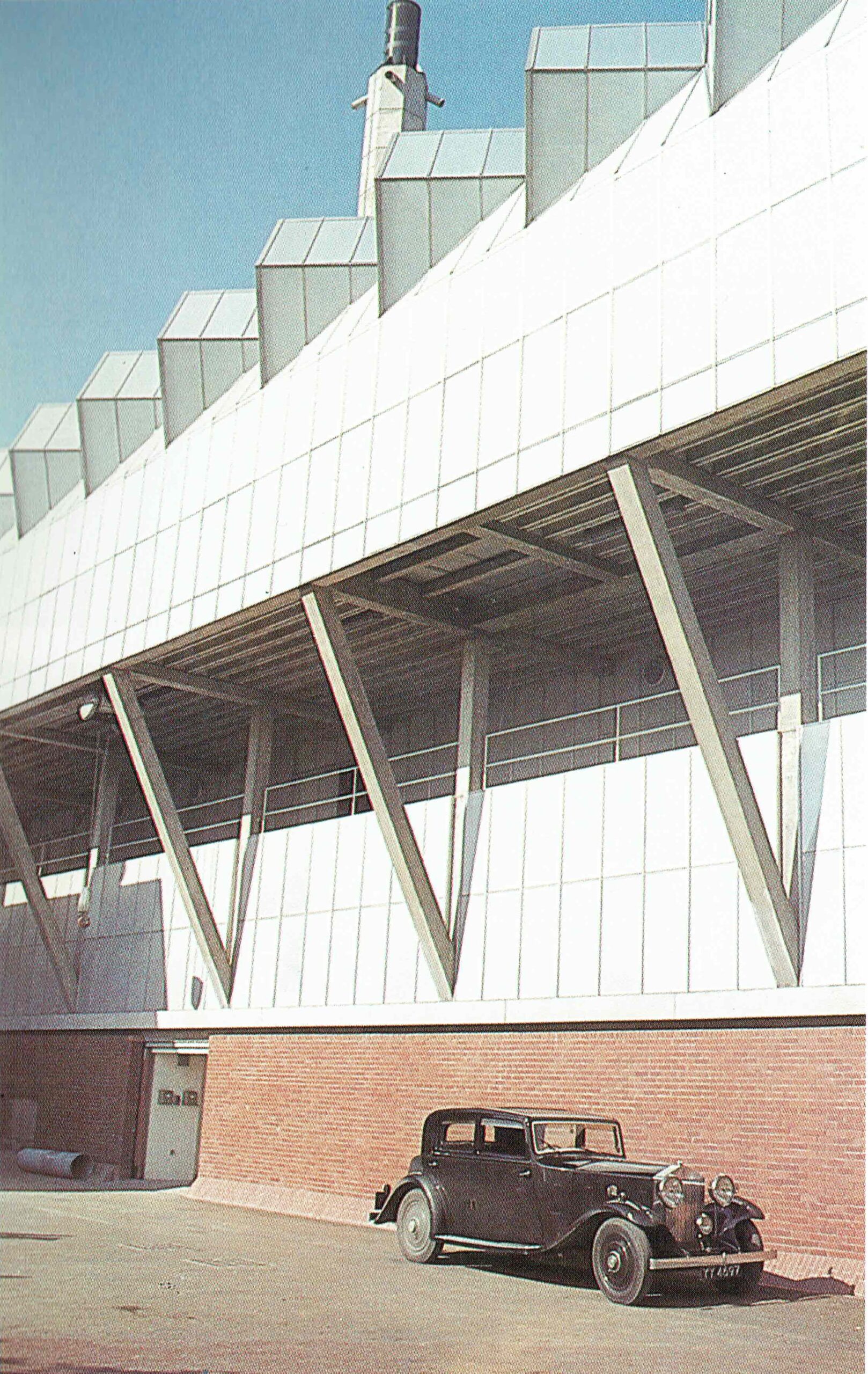
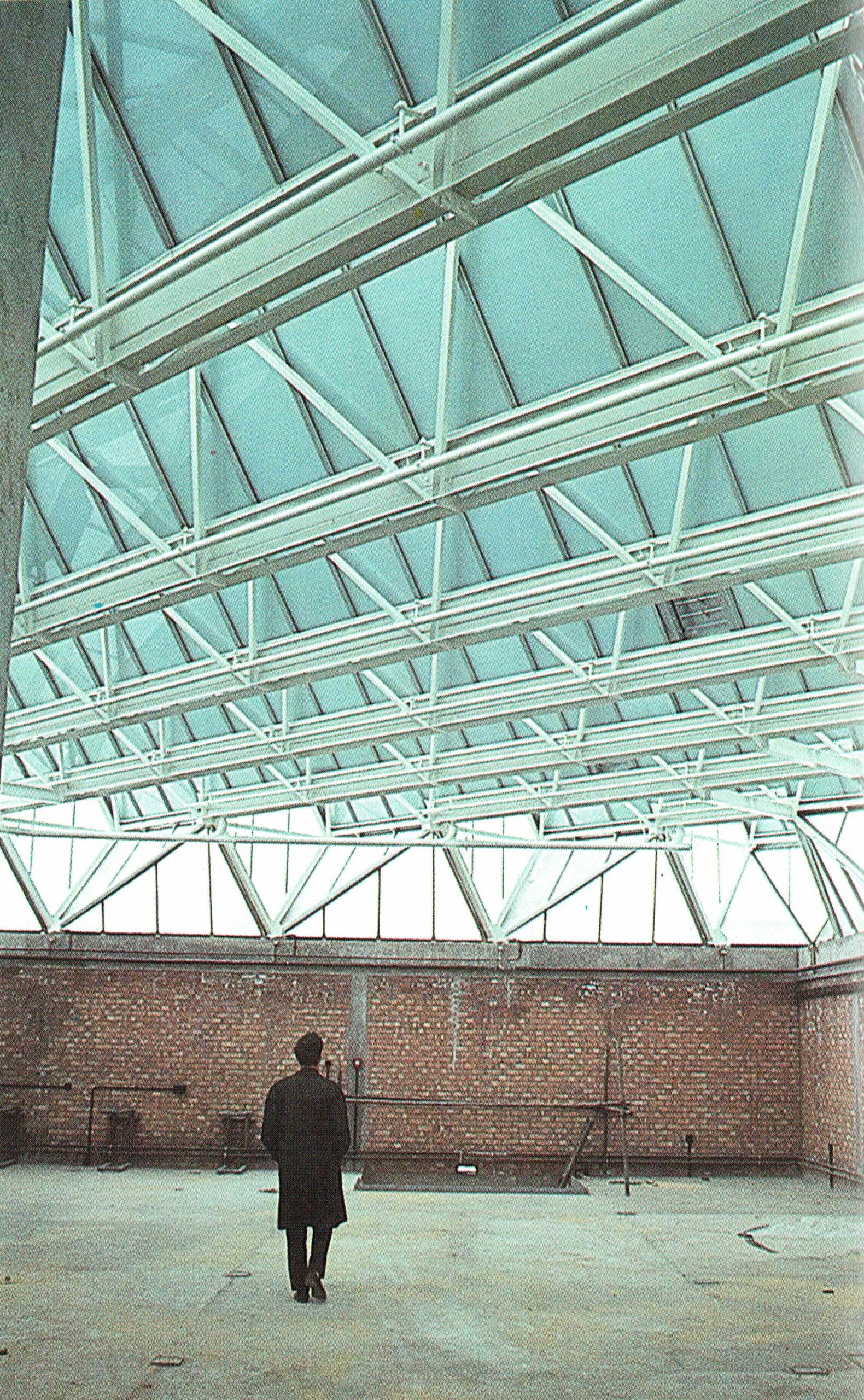
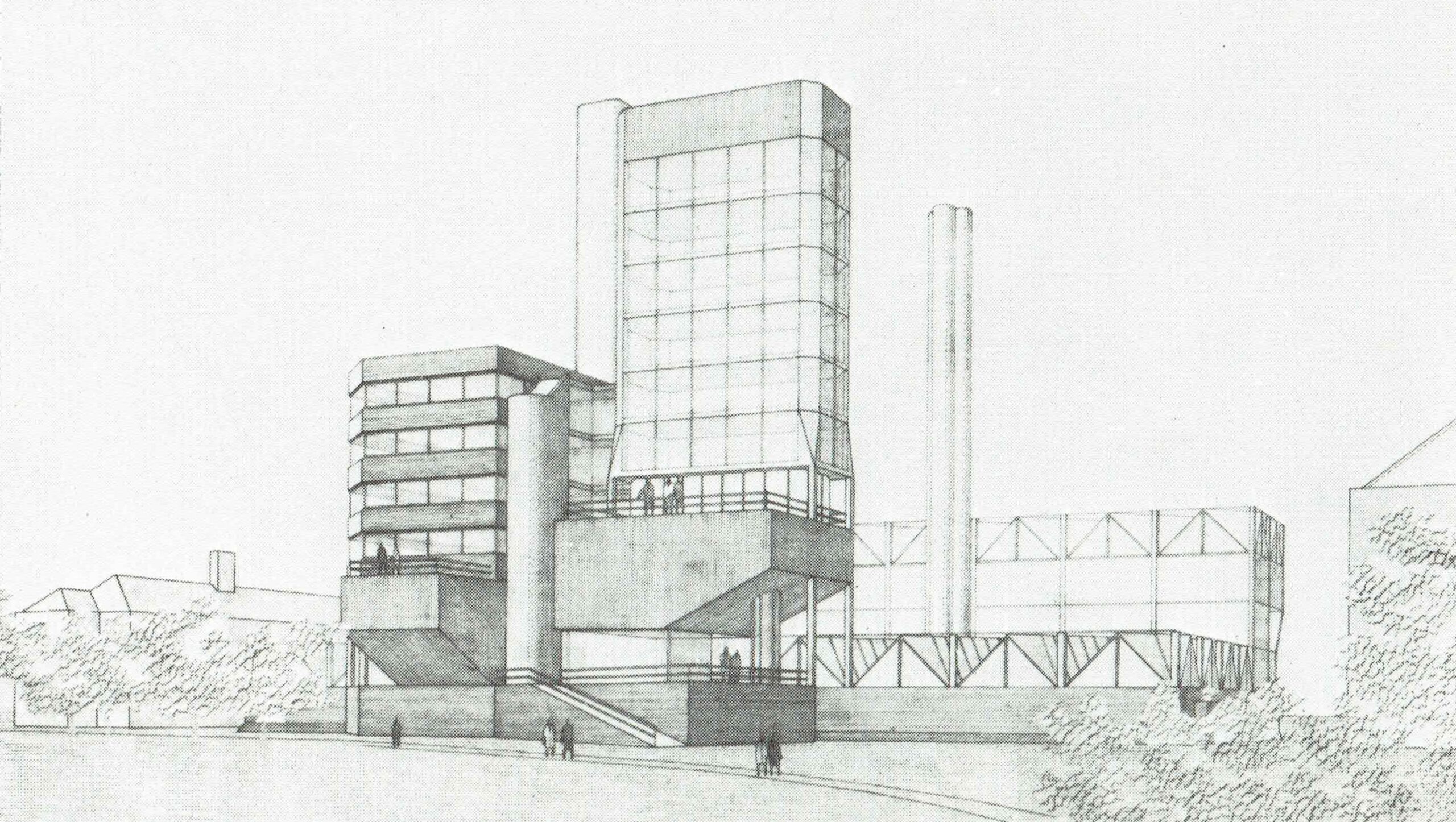
“I say beauty “of a sort” the visual pleasures of this complex and rewarding building are neither those of classic regularity nor picturesque softness. Its aesthetic satisfactions stem from a tough-minded, blunt-spoken expertise that convinces even laymen that everything is right, proper and just so. It is one of those buildings that establishes its own rules, convinces by the coherence of even markedly dissimilar parts, and stands upon no precedents.
It rebuffs the attempts of art-historians to identify its sources (unlike some of the other modern buildings on the Leicester campus, which provide a real feast for art-historical nit-pickers).”
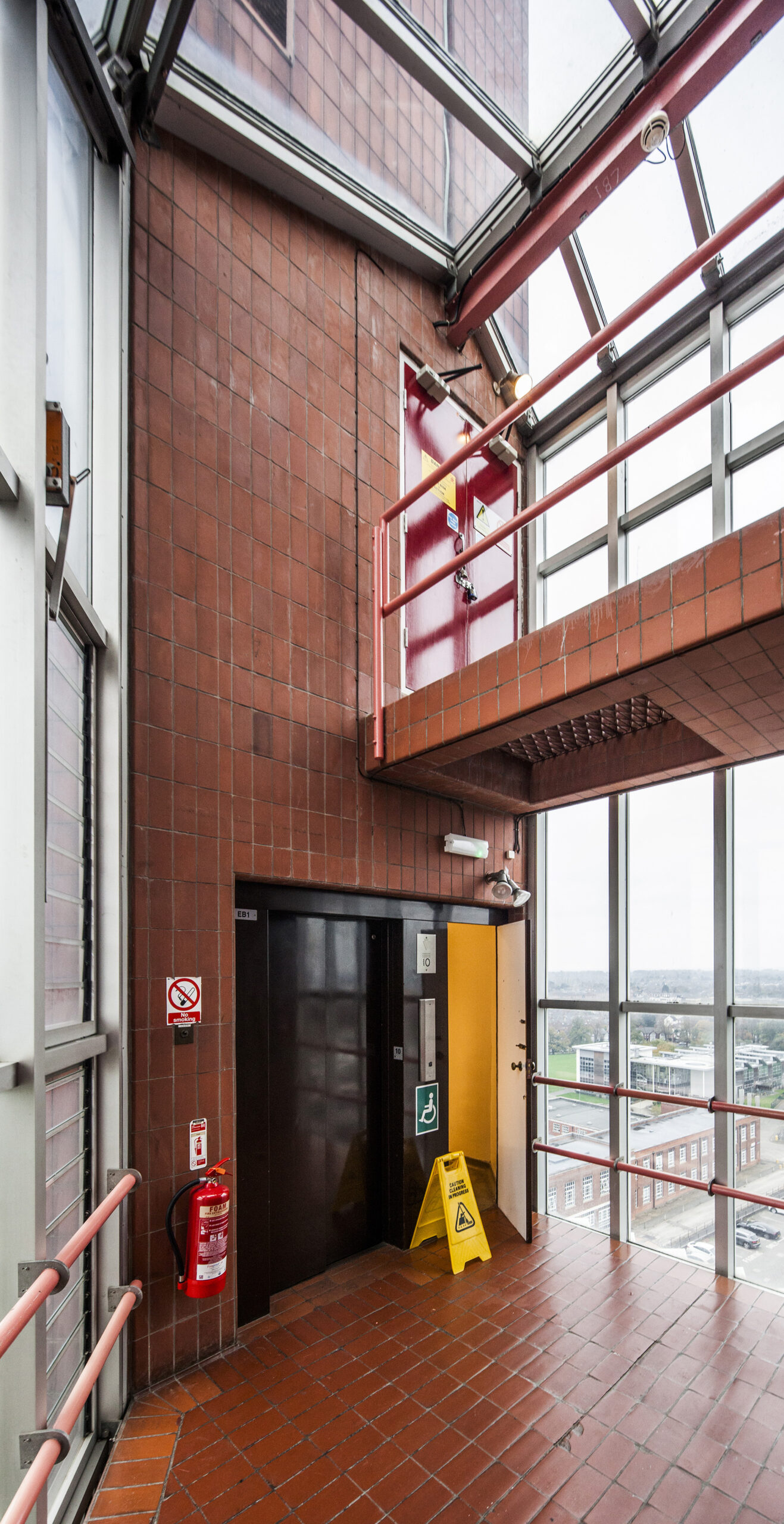
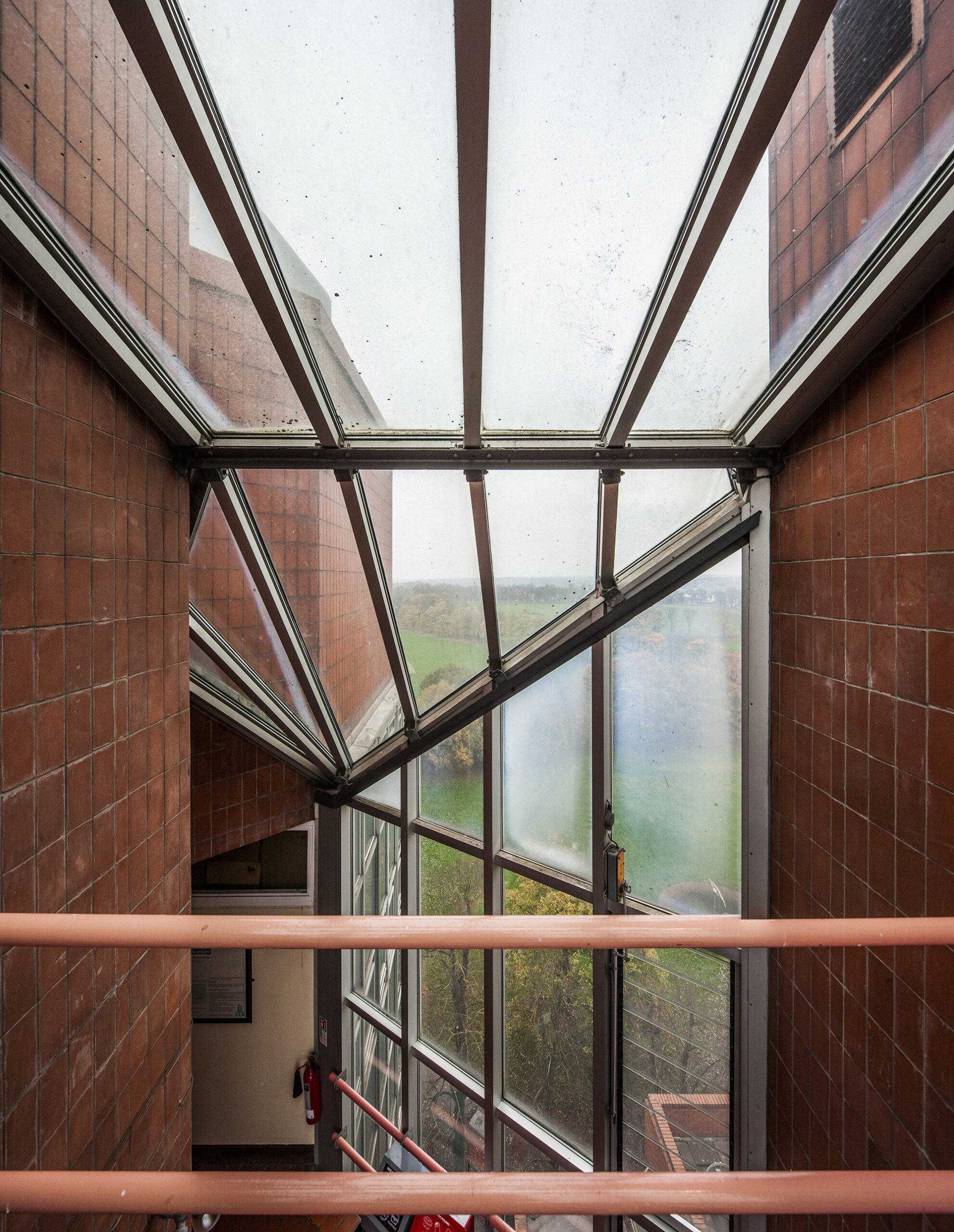
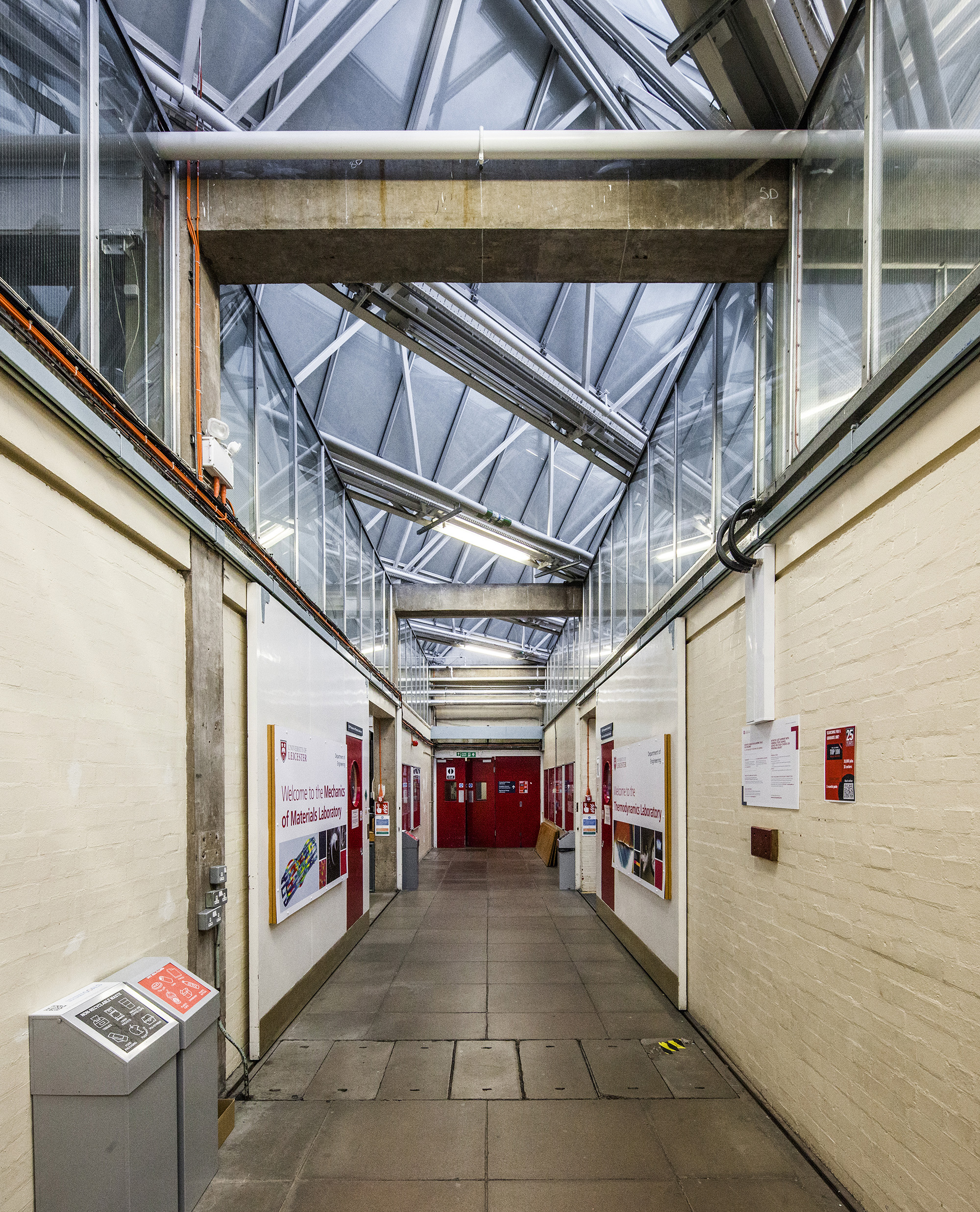
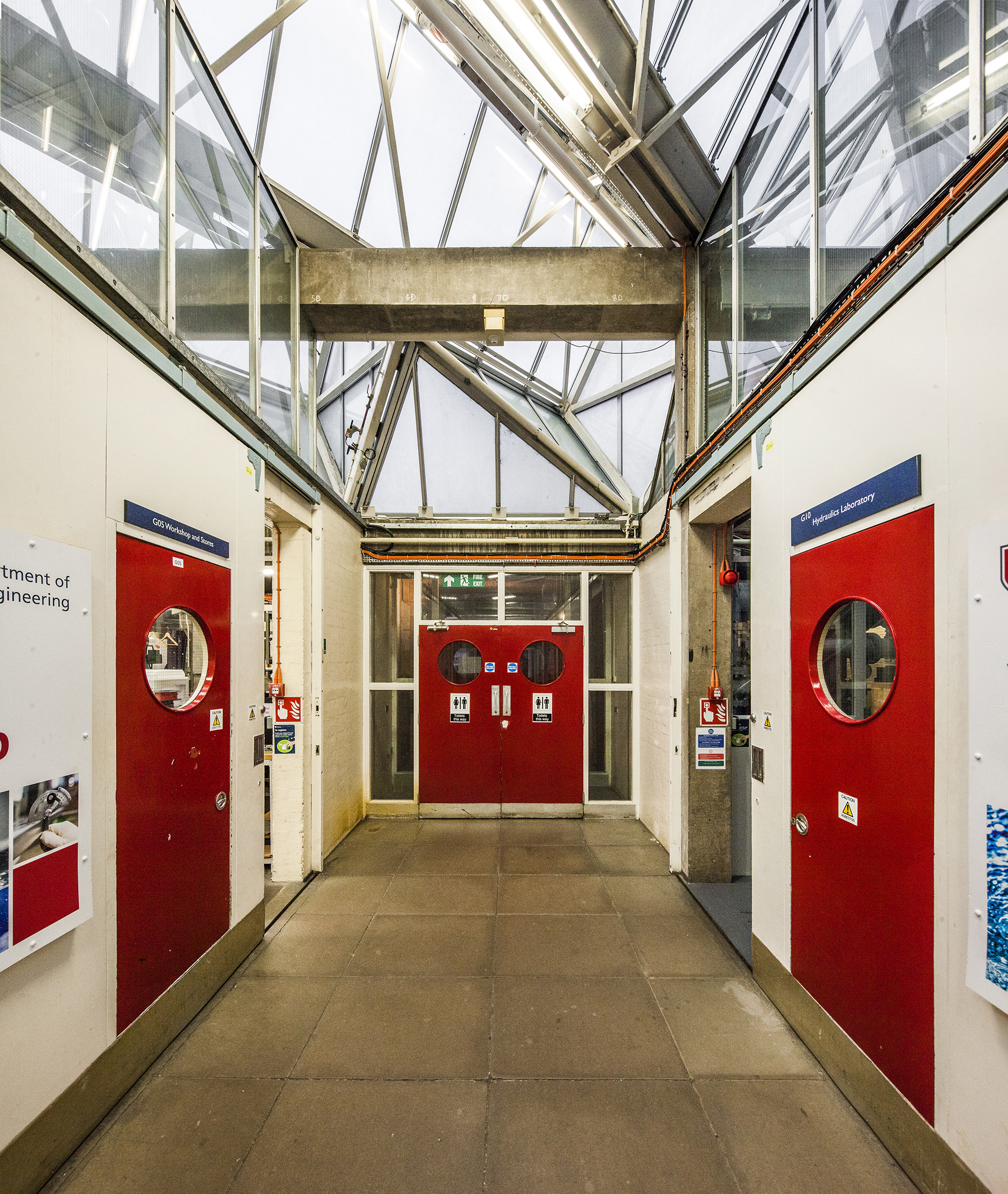
though it has in some obtuse way of its own, regained a good deal of the bloody-minded elan and sheer zing of the pioneer modernism of the early Twenties. Largely, I think, this is because it really does seem to be a natural machine-age architecture of the sort that must have been in the minds of the Werkbund’s founding fathers or Antonio Sant’Elia.“
Forum, I. Brown, April 1972
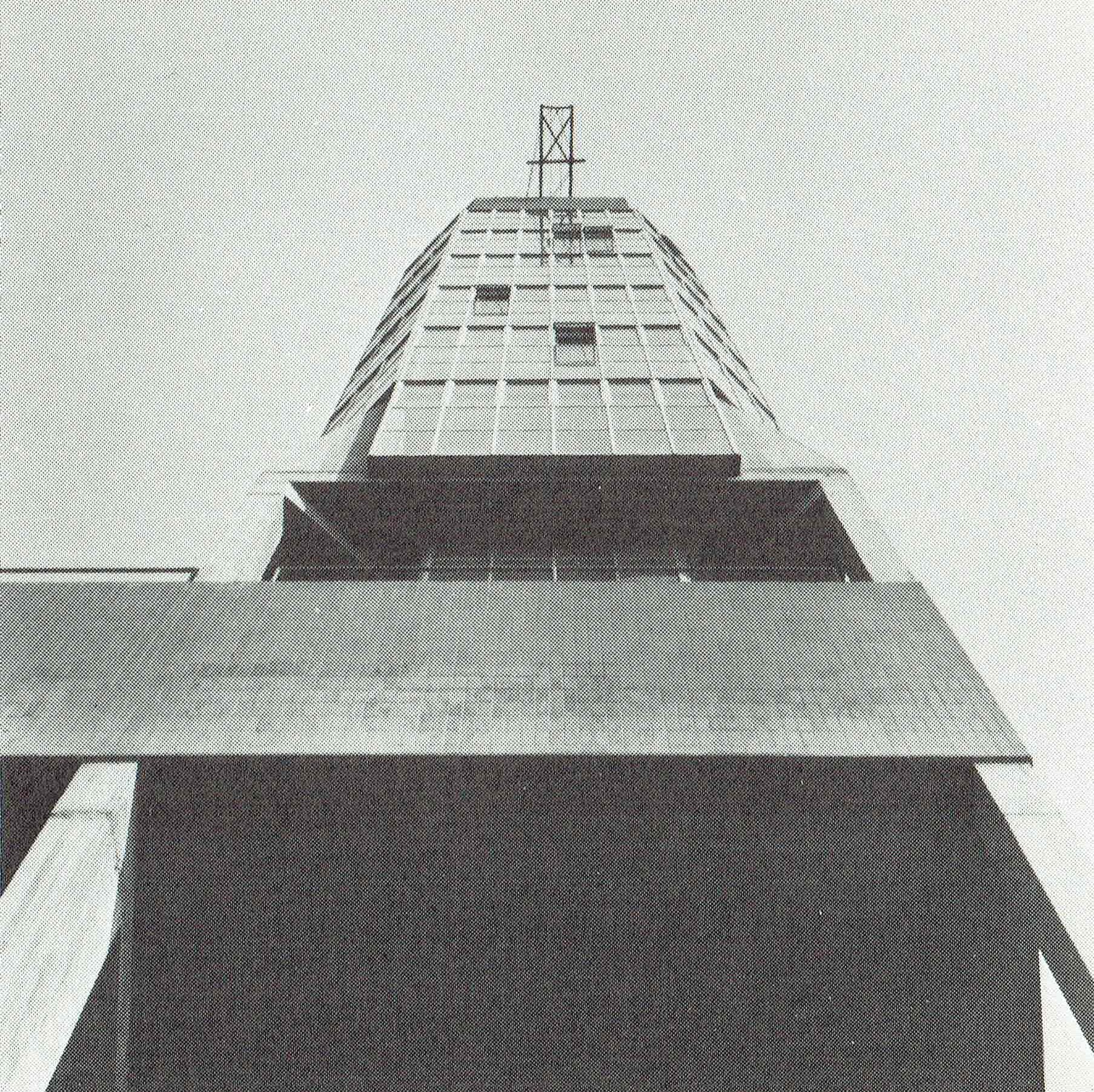
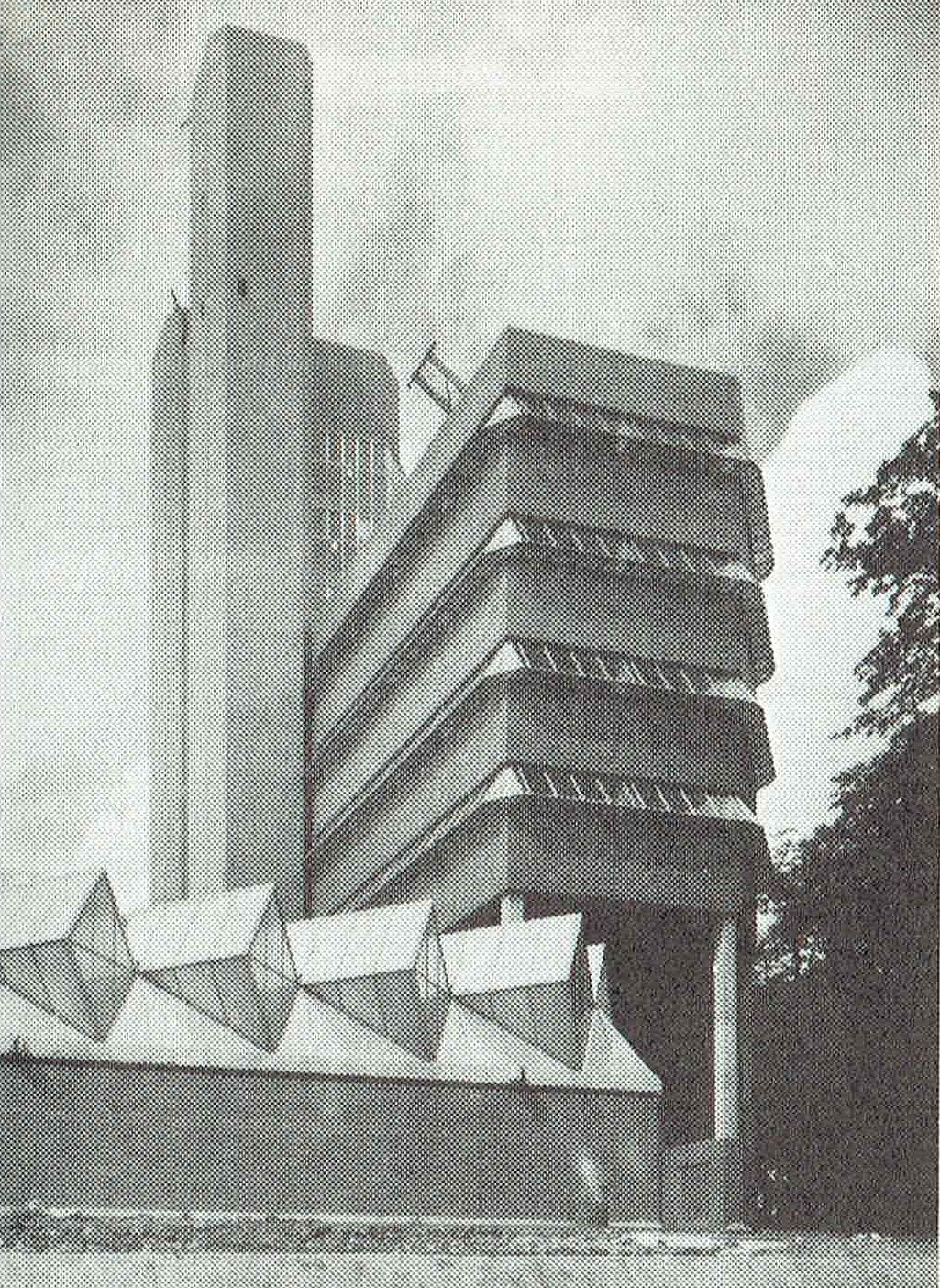
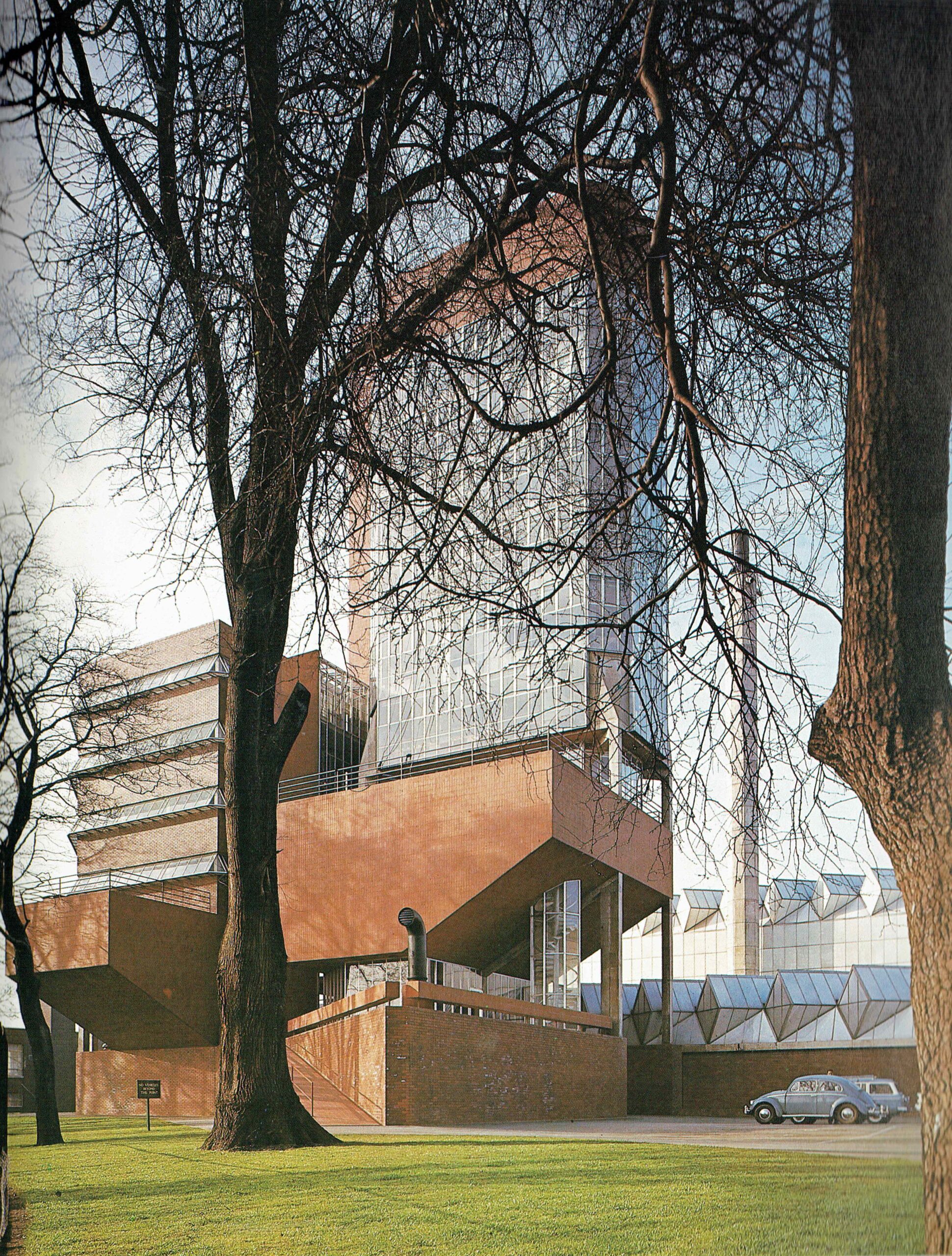
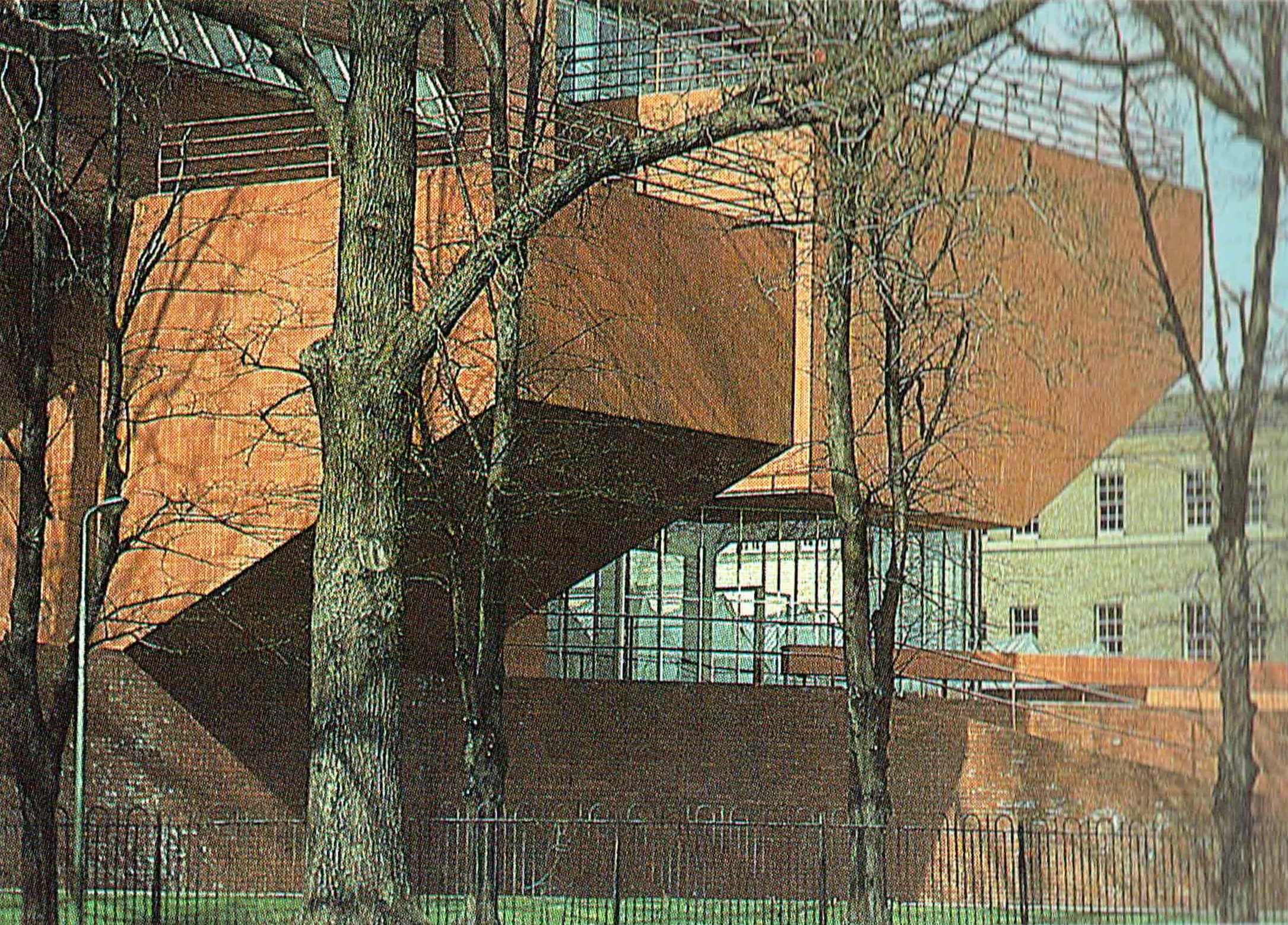
“After the New Brutalism the ability to shock became an accomplishment difficult to acquire. In the hysterical state that British architecture had worked itself into by this time, however, the quest could not be abandoned, and, in the engineering building at the University of Leicester by Stirling and Gowan, the profession was presented with its Frankenstein, amidst a concert of maidenish squeaks that have not yet died down.
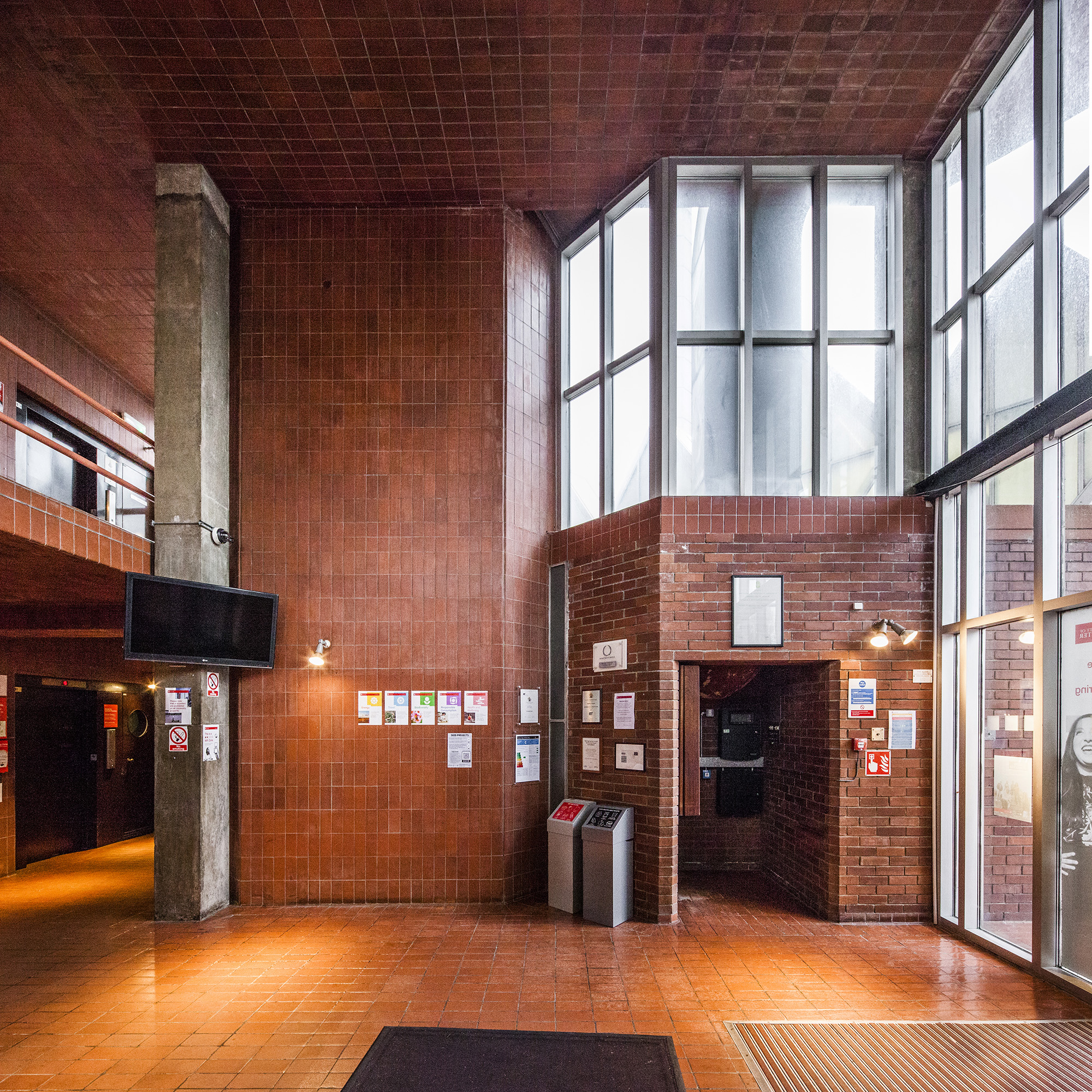
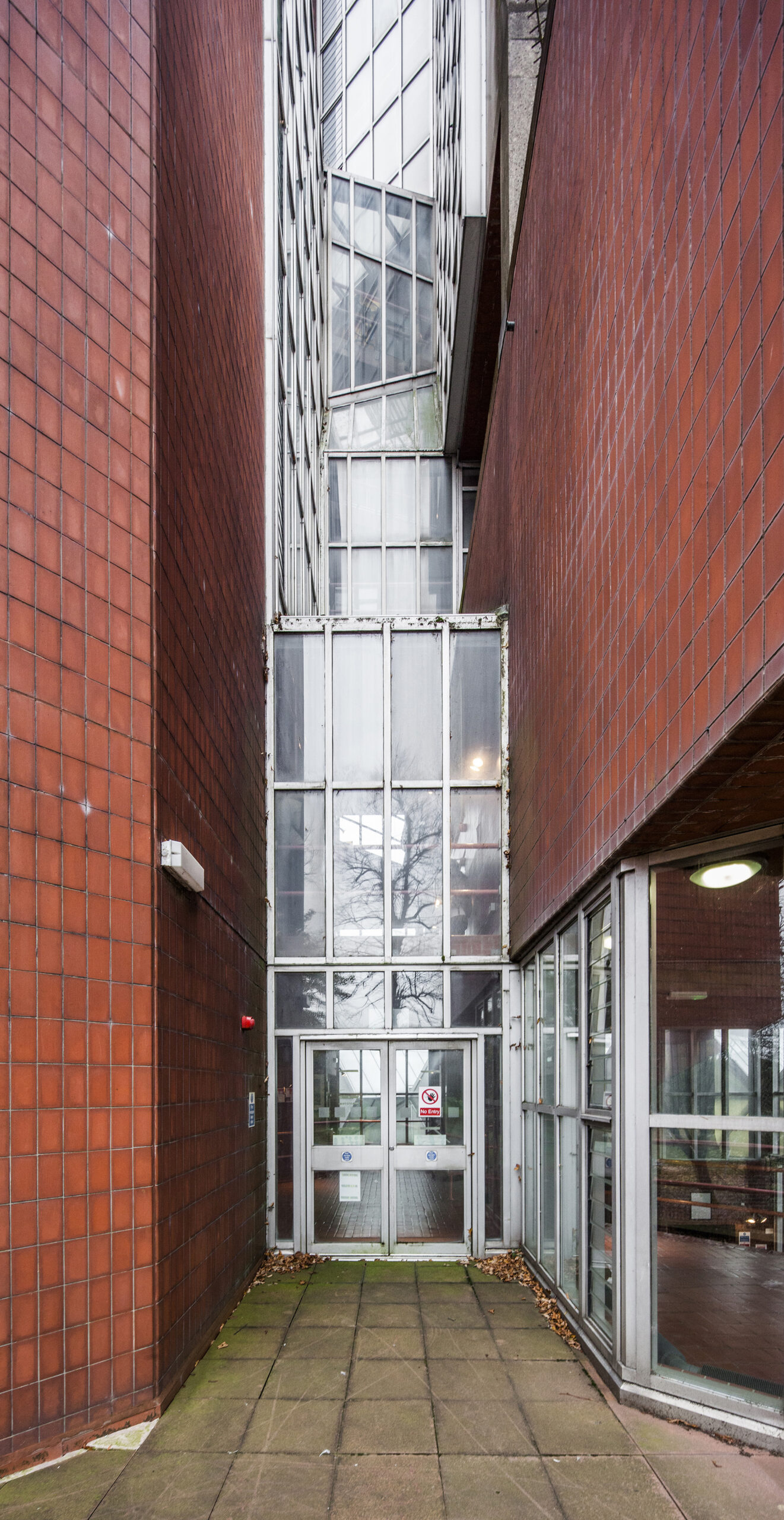
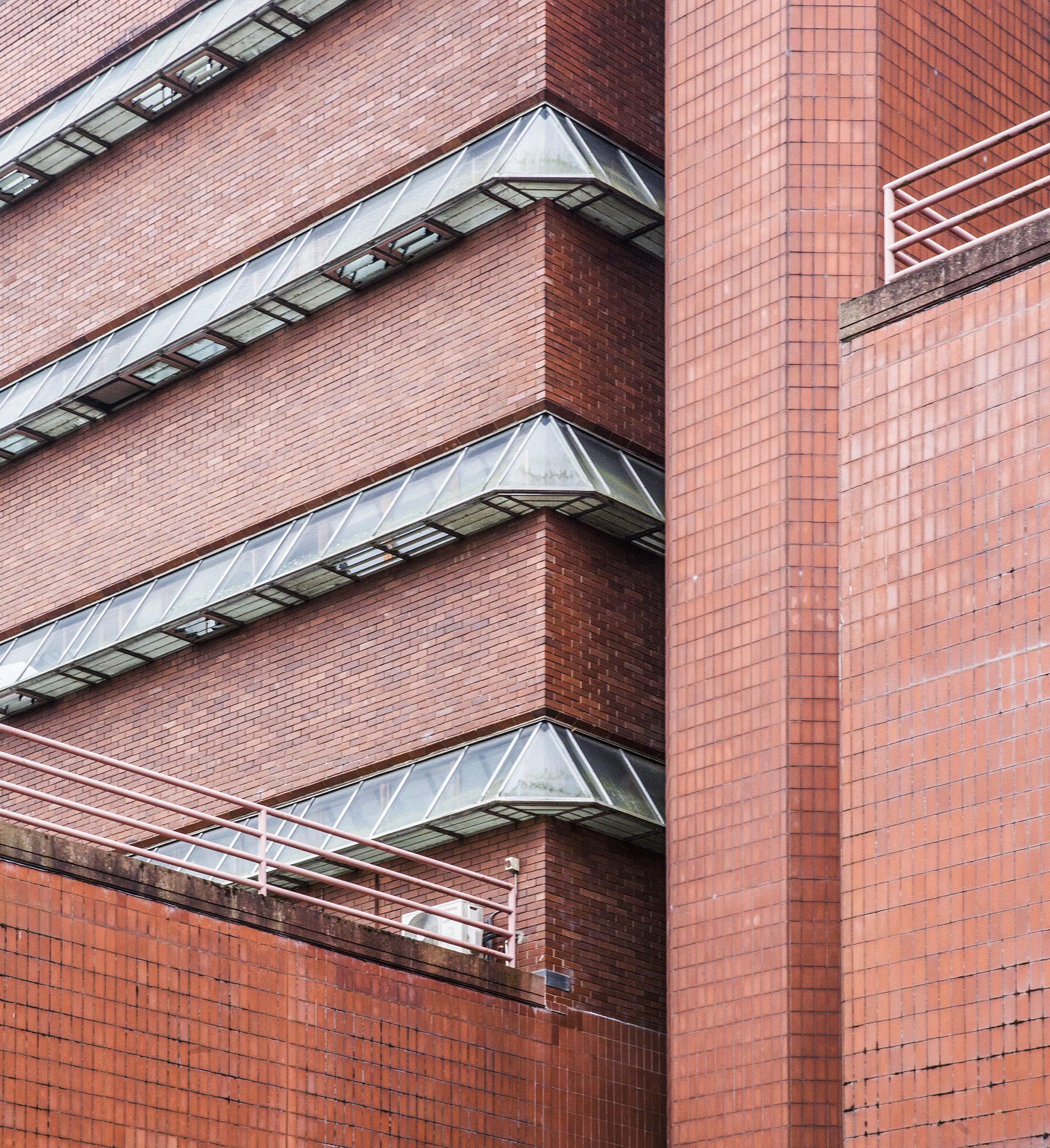
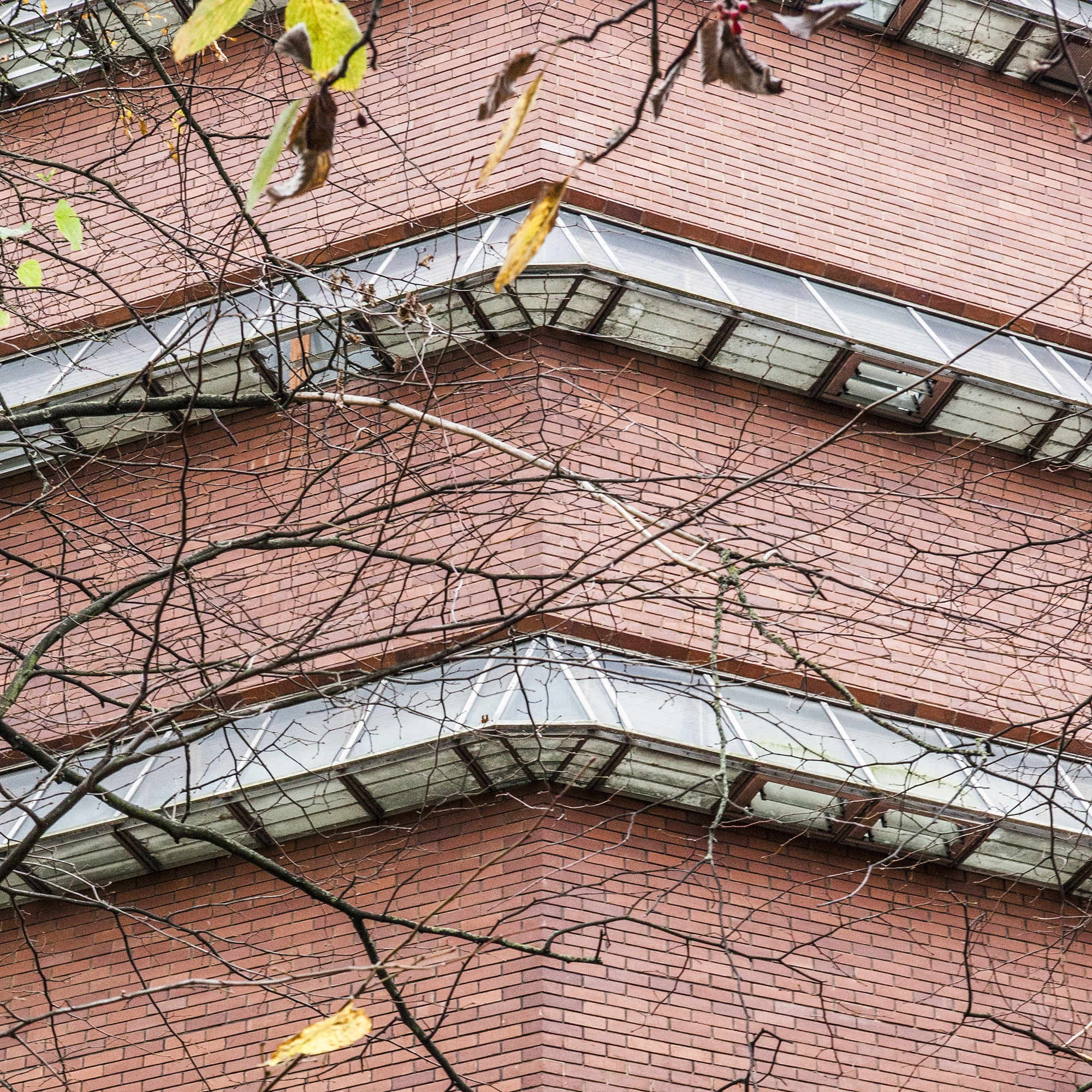
At the sight of this brown tiled totem, the blood ran, or rather was supposed to run, cold. Bizarre, strident, Gothic in the way that Butterfield was Gothic, the Leicester building is perhaps the most extreme example to date in modern British architecture of esthetic individualism run riot.
The masochisms of its mannered form make the New Brutalism look cozy by comparison: it reaches, with the studied calculation of a Hammer films-effects man, into the repertoire of the hard Victorian ecclesiastical school of architects, translated superficially into a modern idiom in order to secure its teeth-on-edge effect. Like Butterfield’s All Saints Church in Margaret Street (off Upper Regent Street), it deliberately assumes a basilisk persona.
But what have such whimsies to do with the needs of British universities today and in the future? Very little, one could submit, unless our society is so hooked in its most sophisticated spheres on this kind of historico-visual sensationalism that it cannot pursue its rational lines of enquiry without a surrounding environment that is fully turned on.”