Reflections on Katsura, Bruno Taut
Nippon. Japan Seen through European Eyes, 1934 (written in June-July 1933)
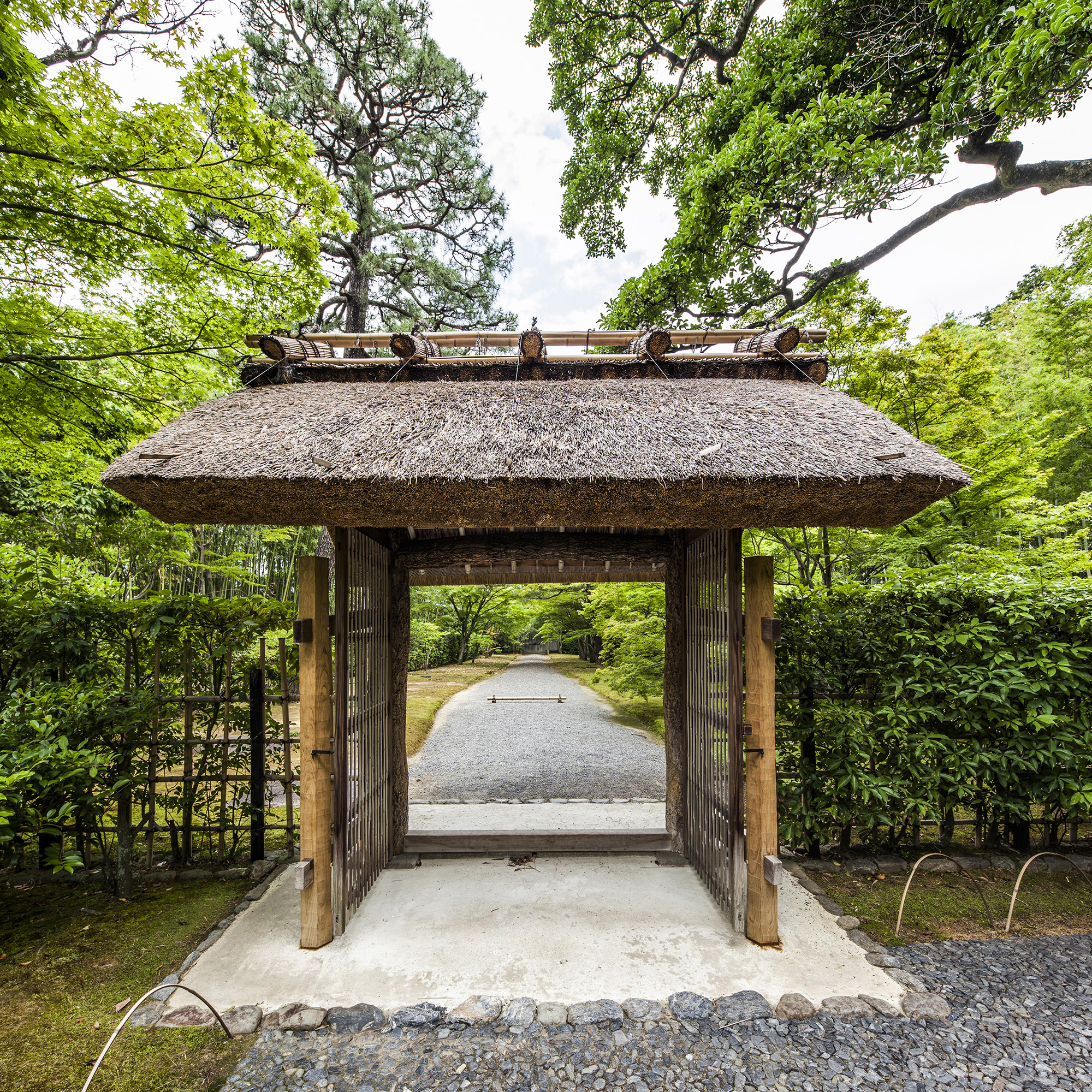
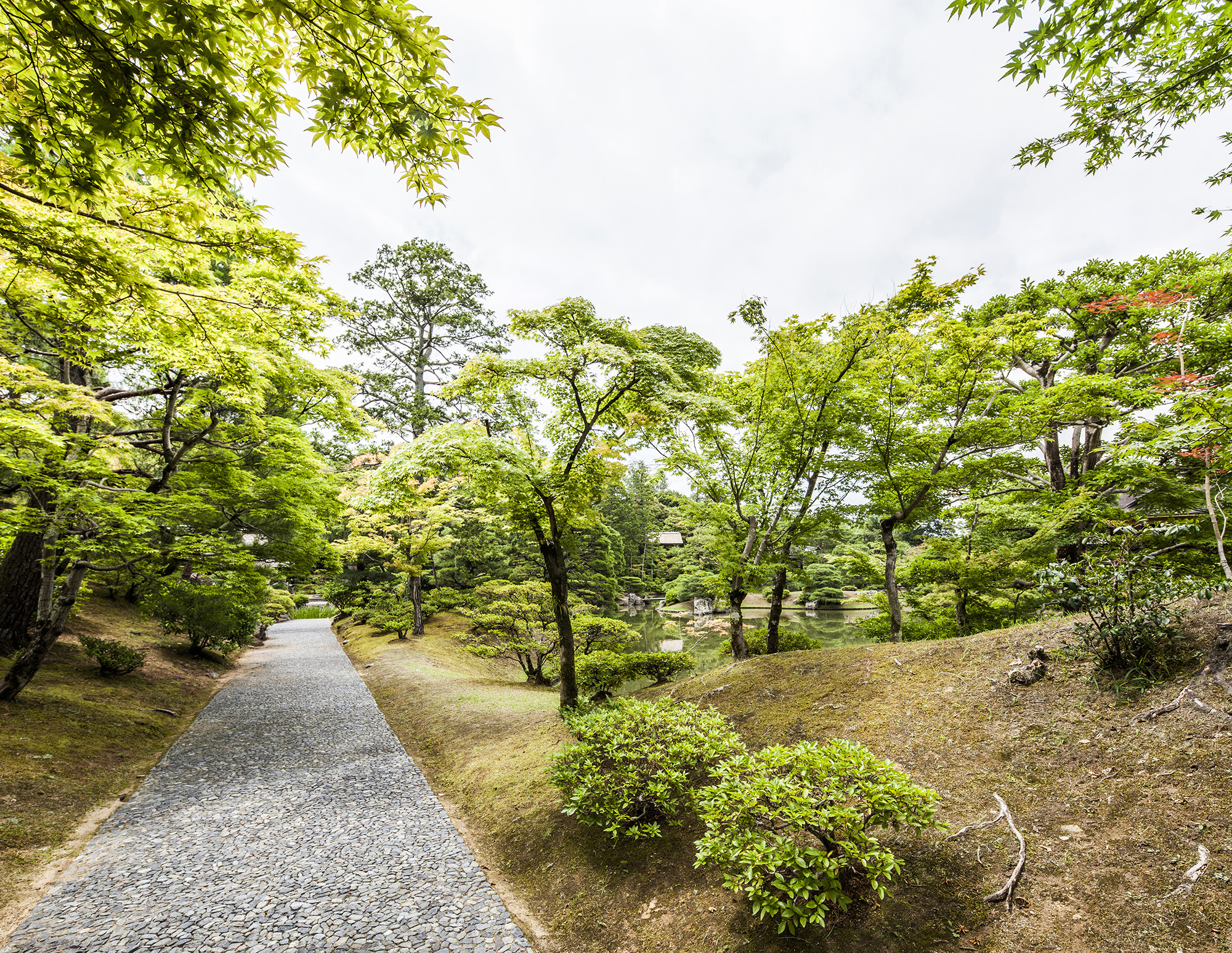
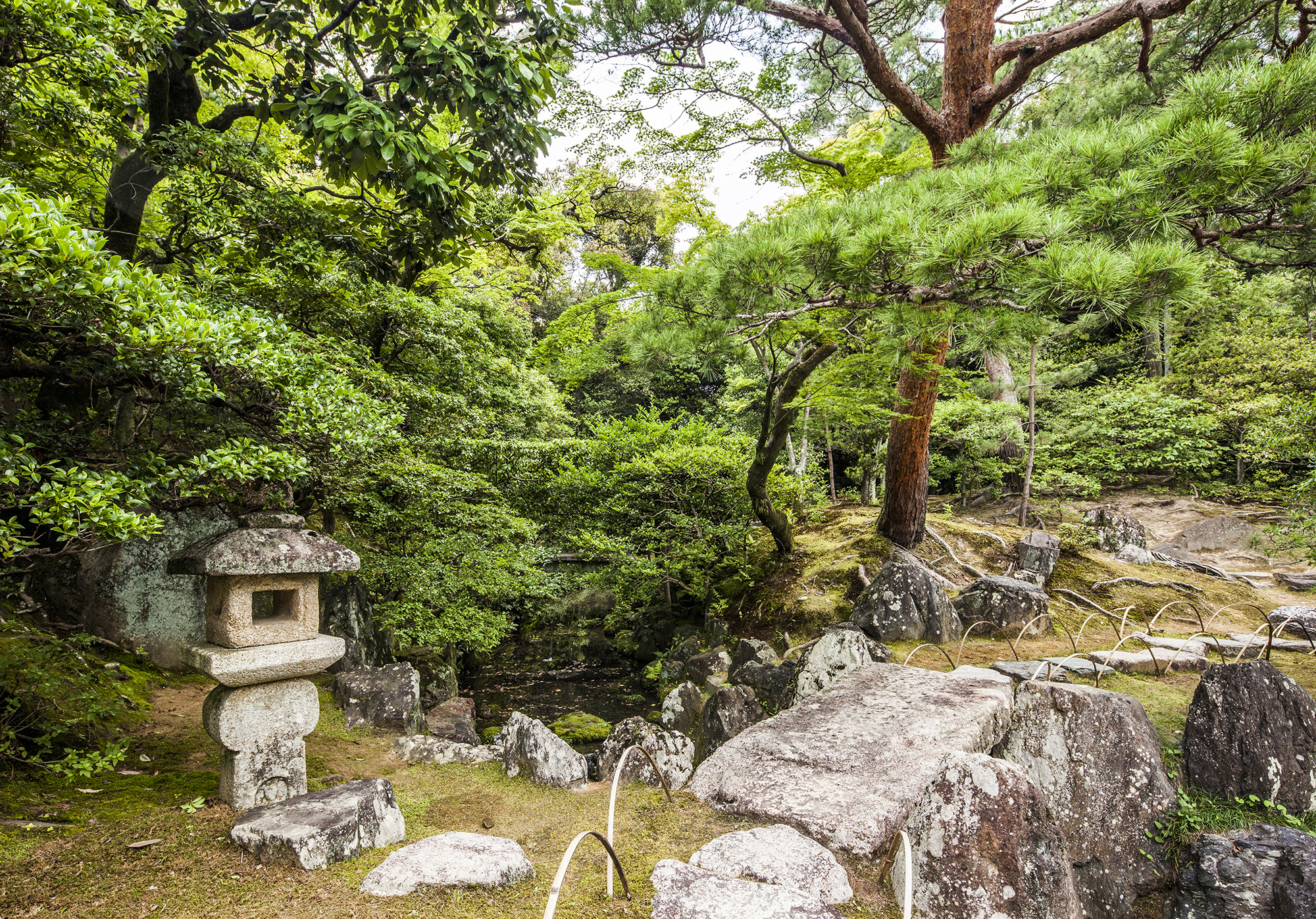
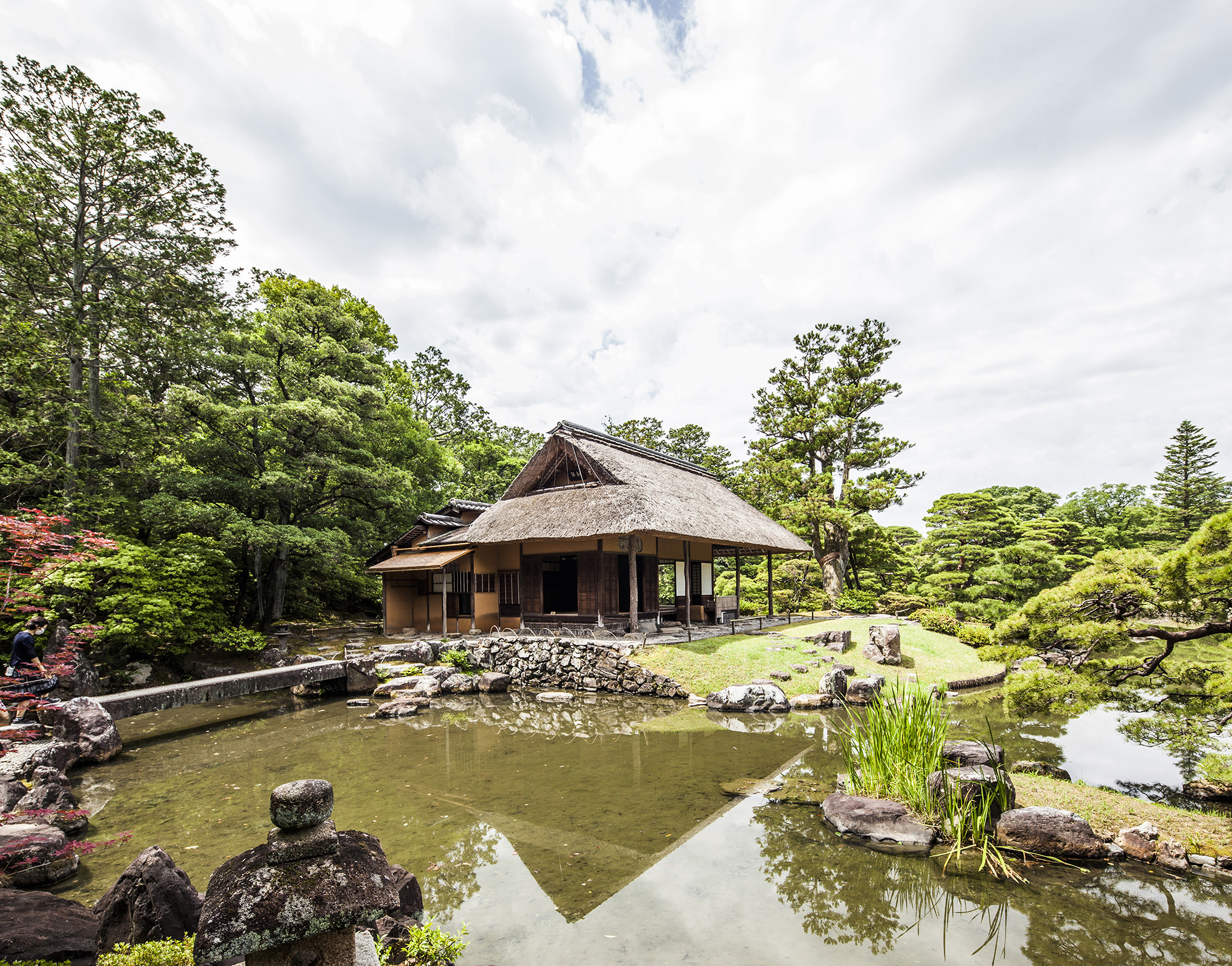
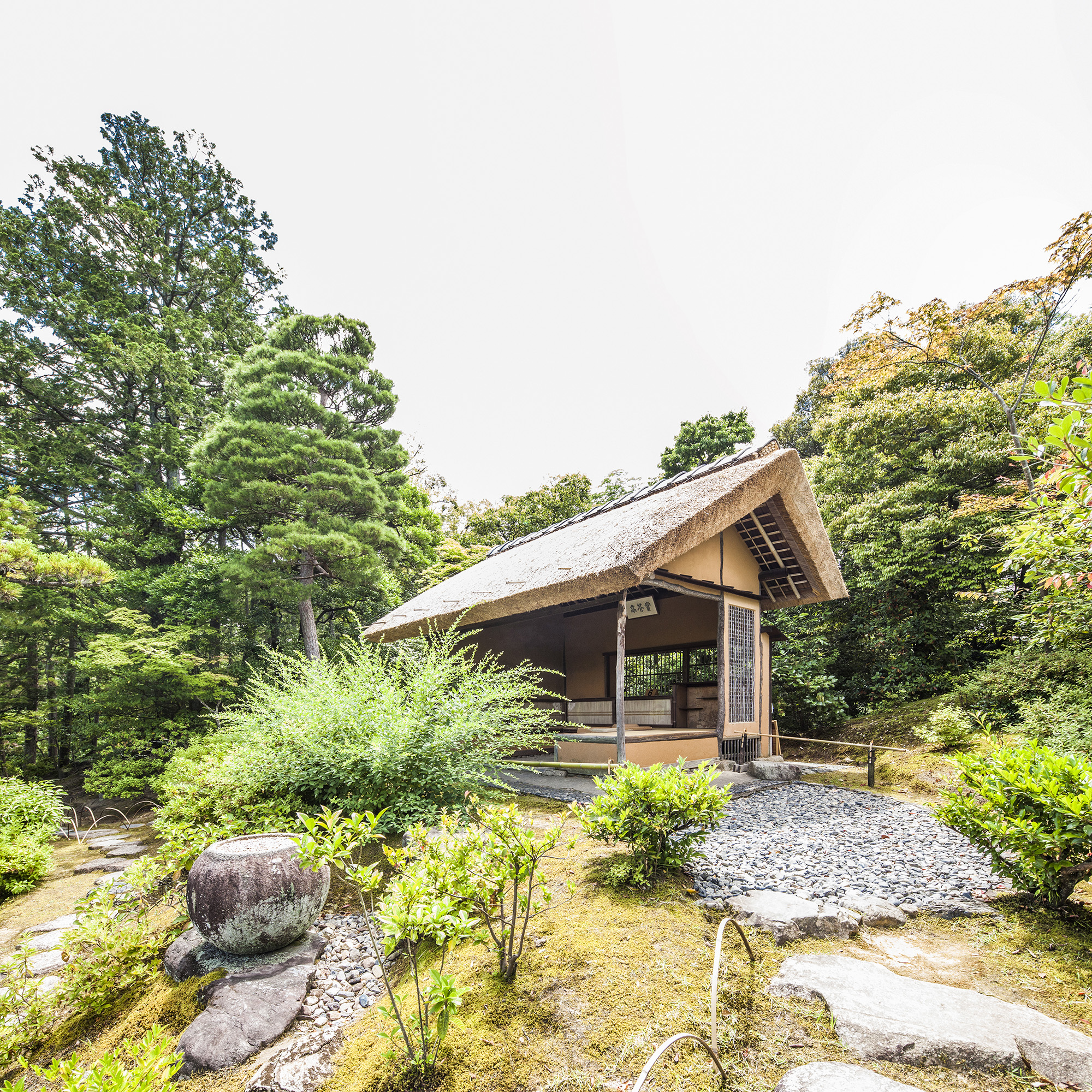
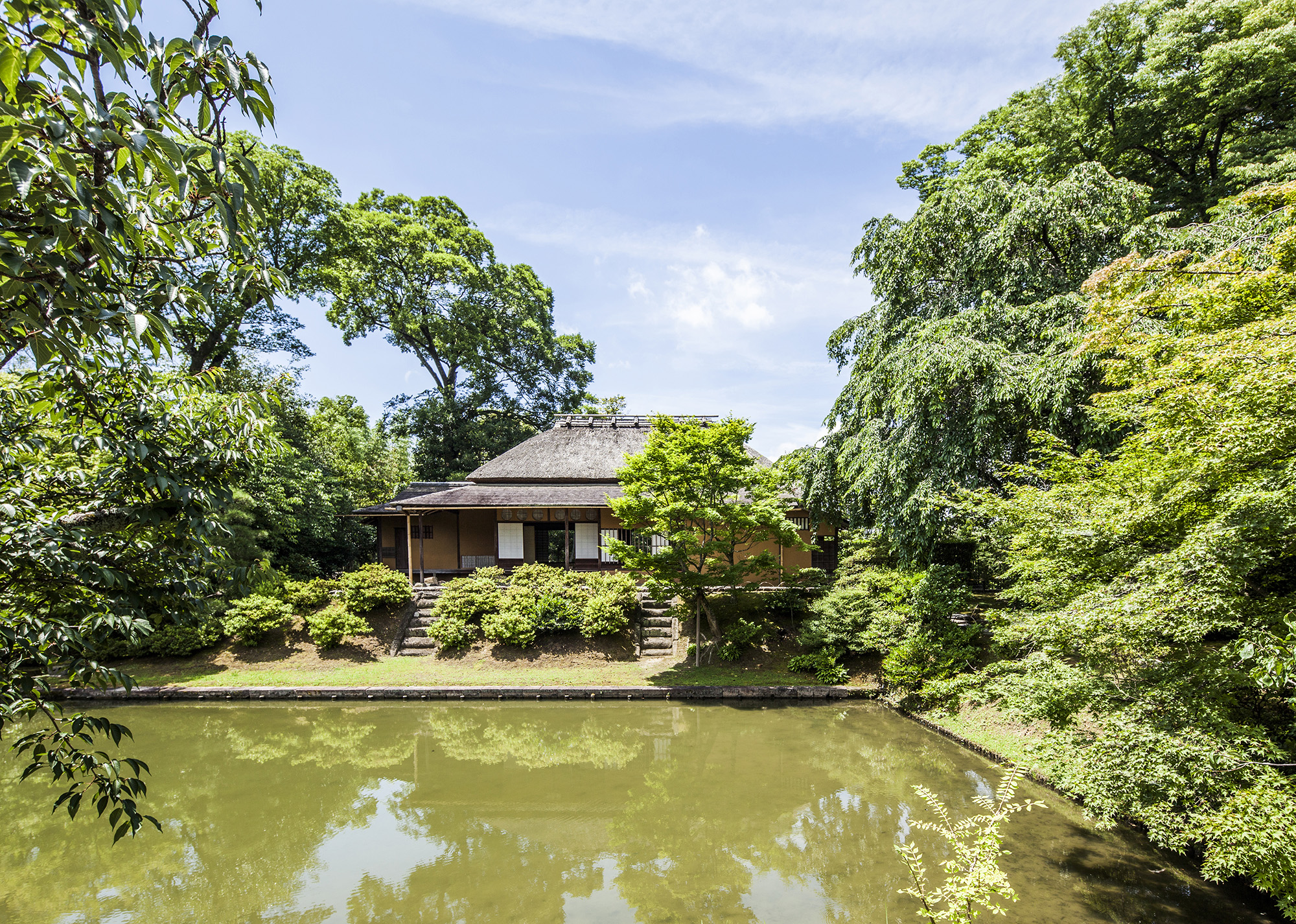
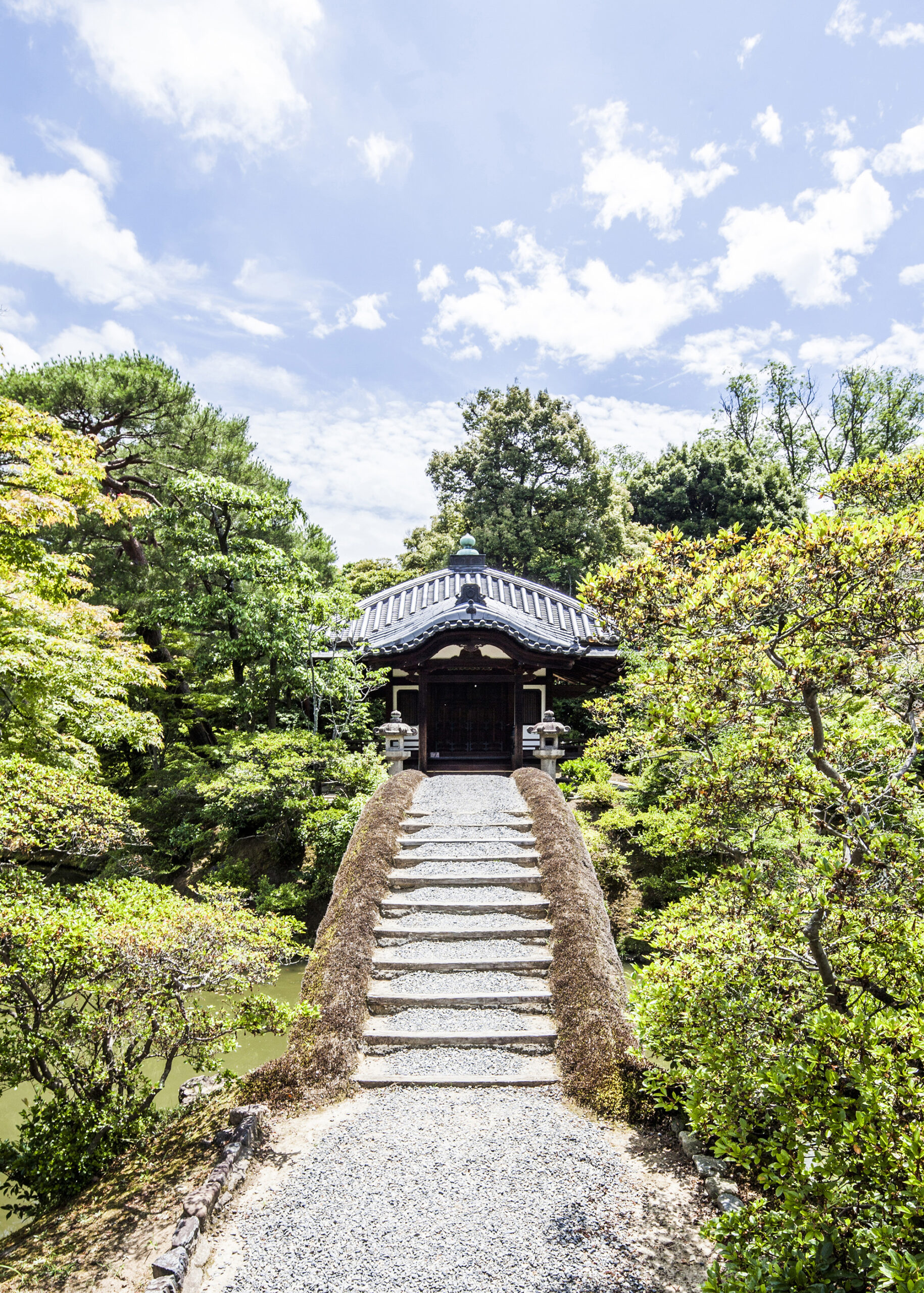
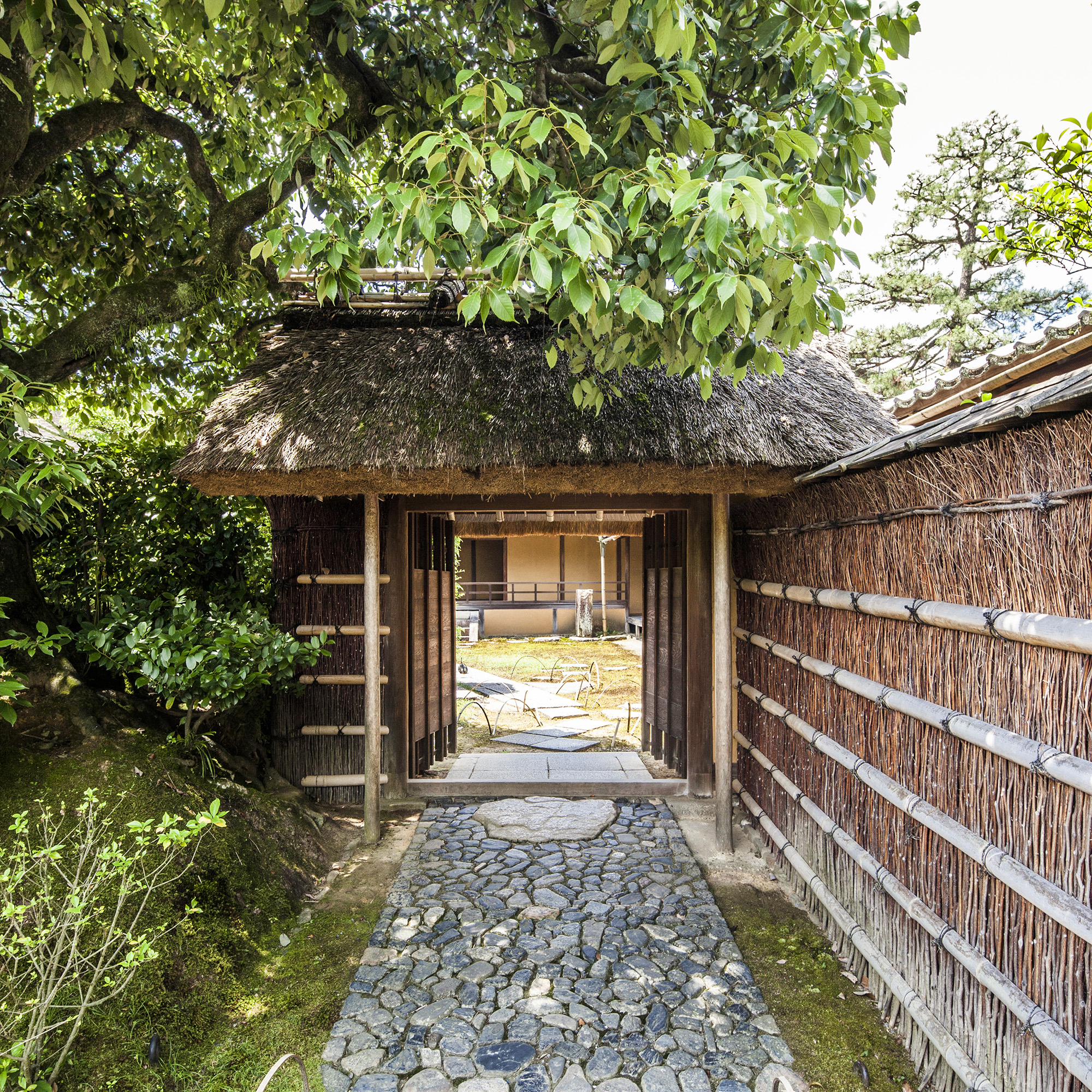
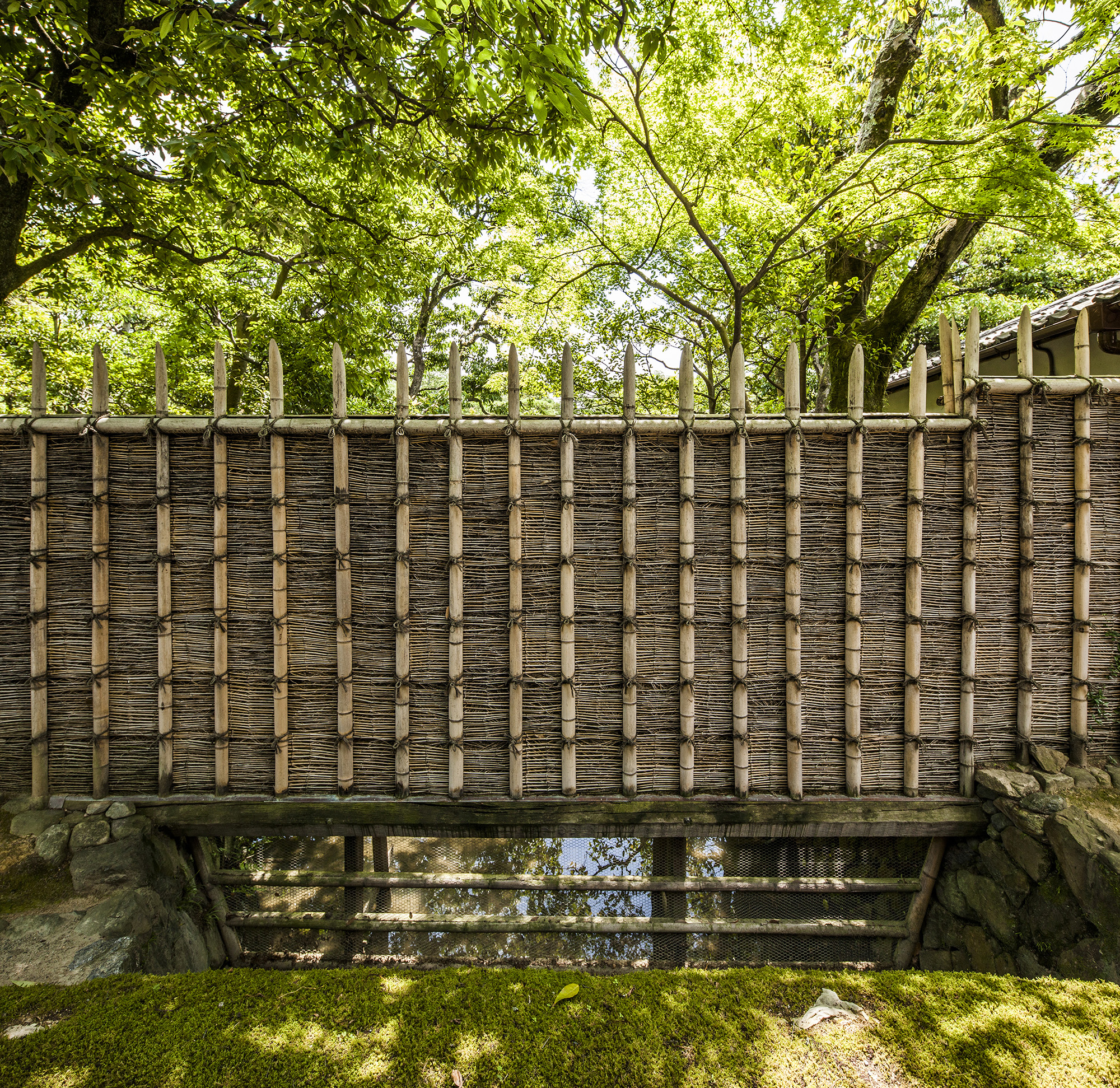
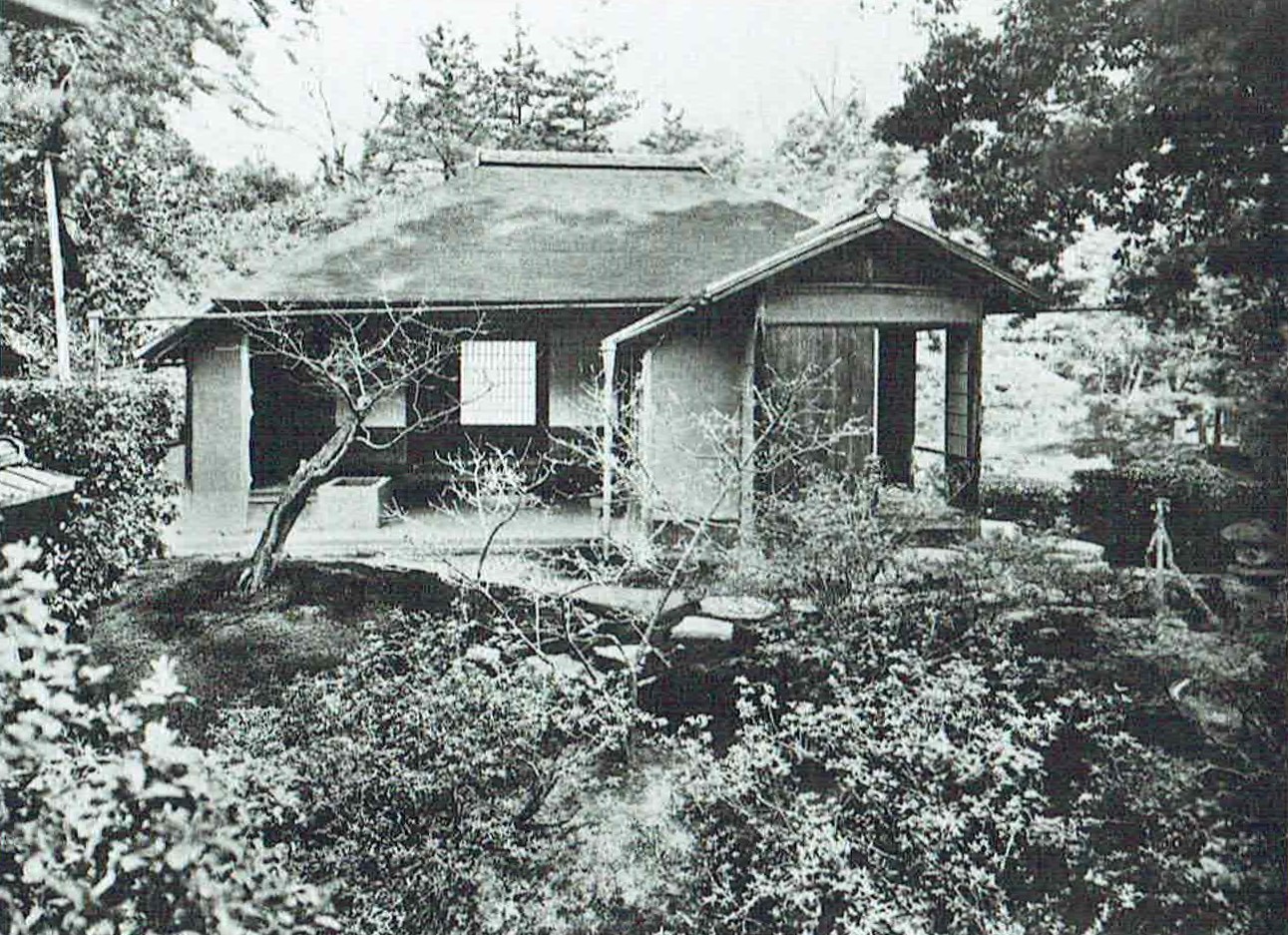
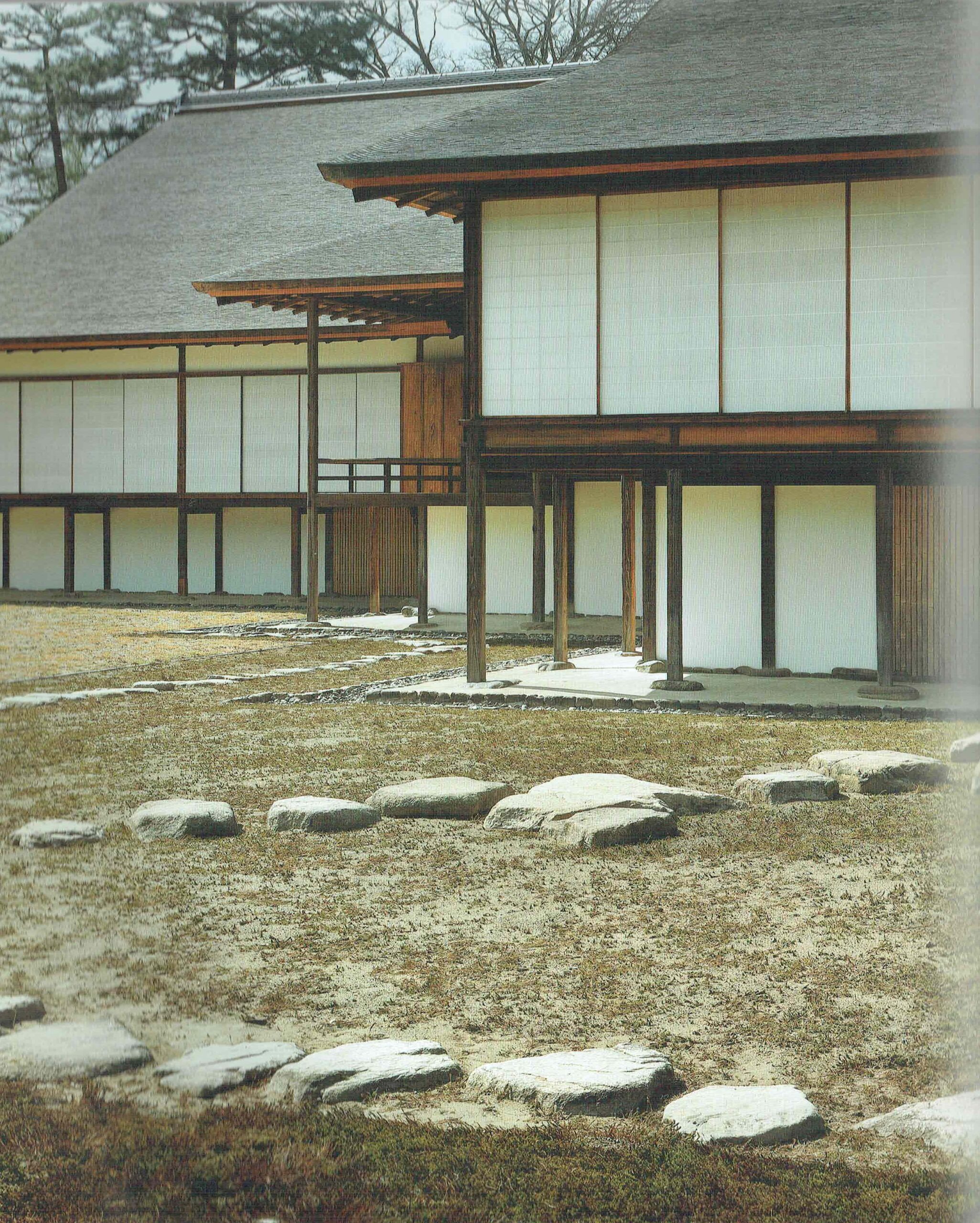
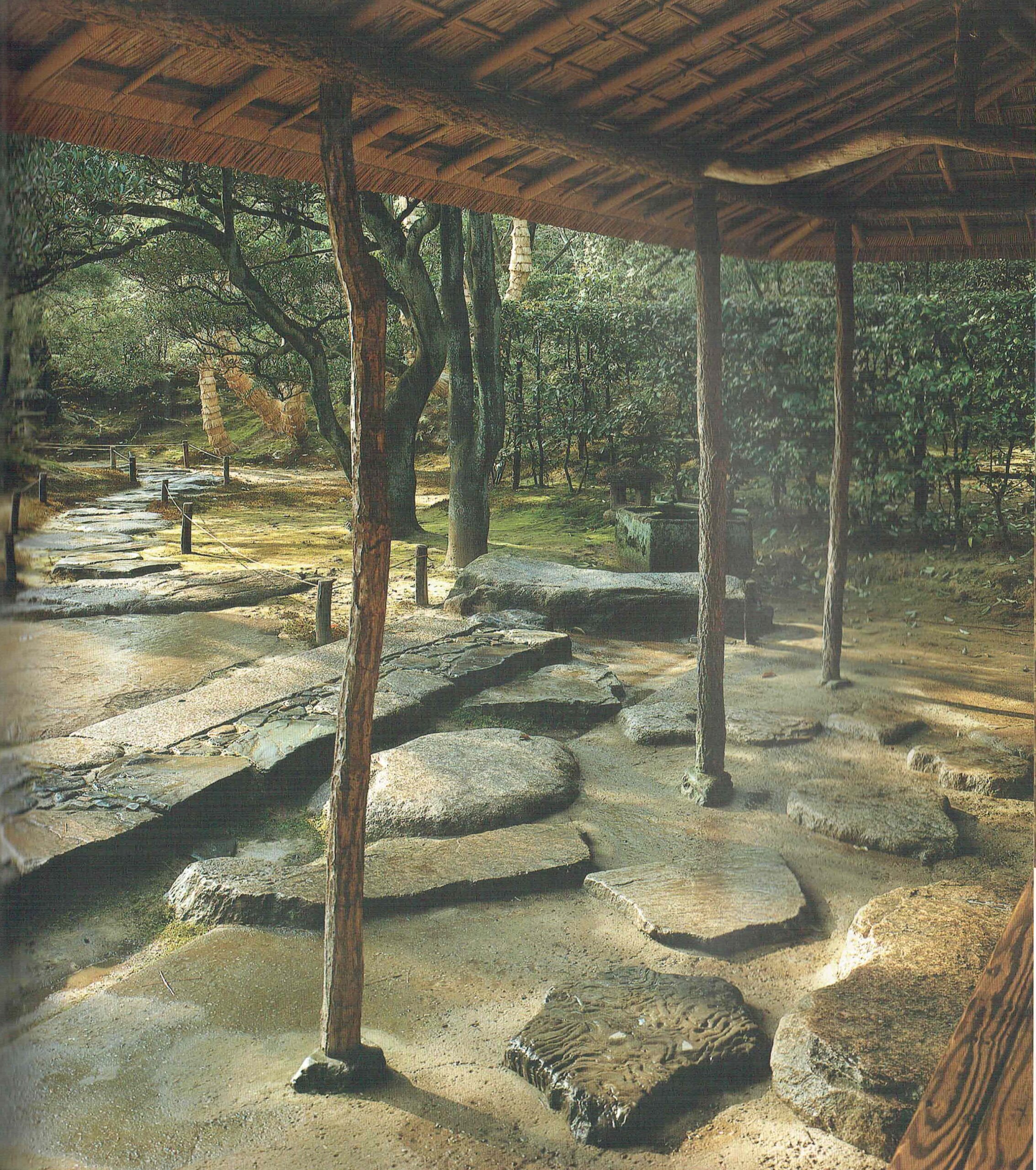
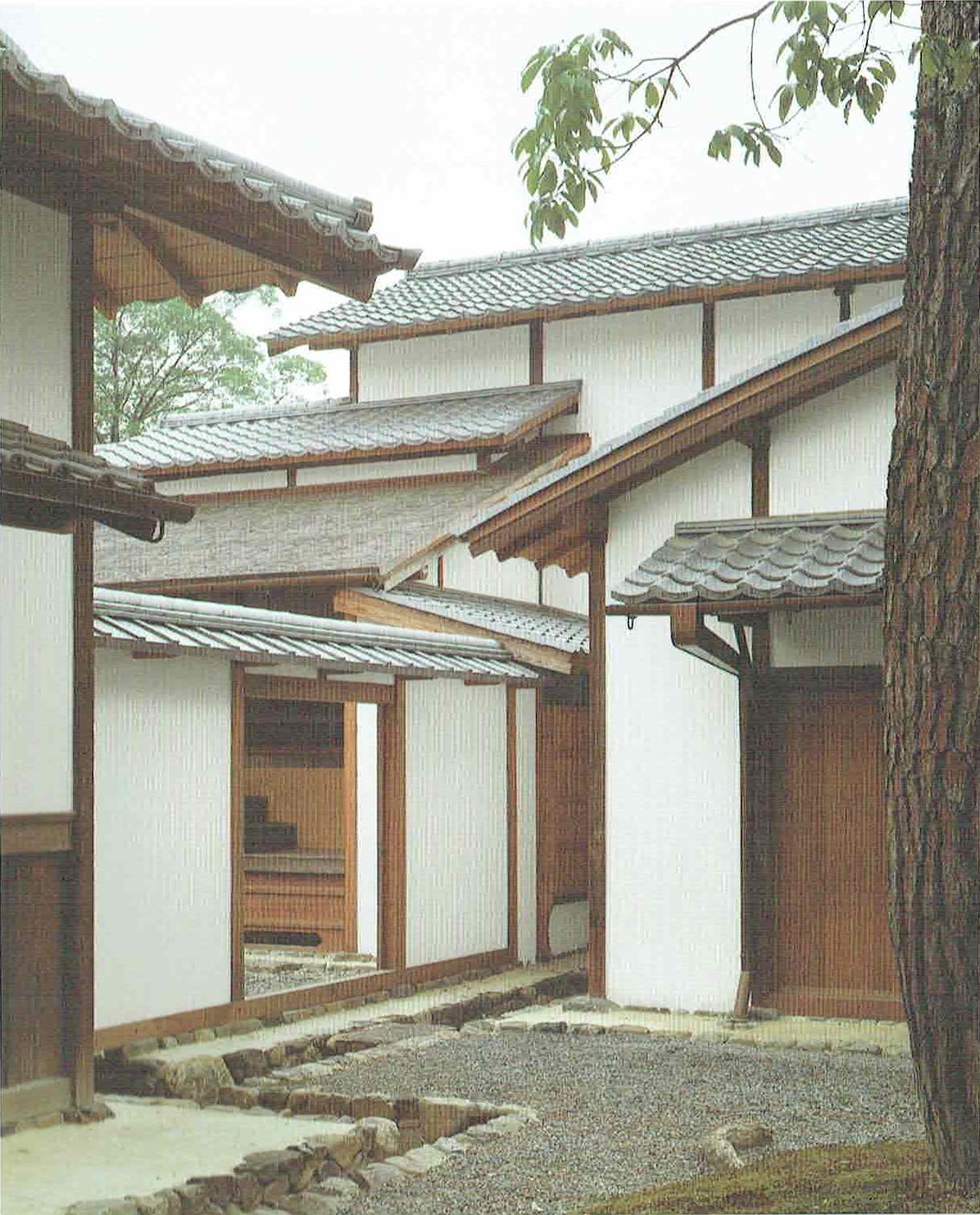
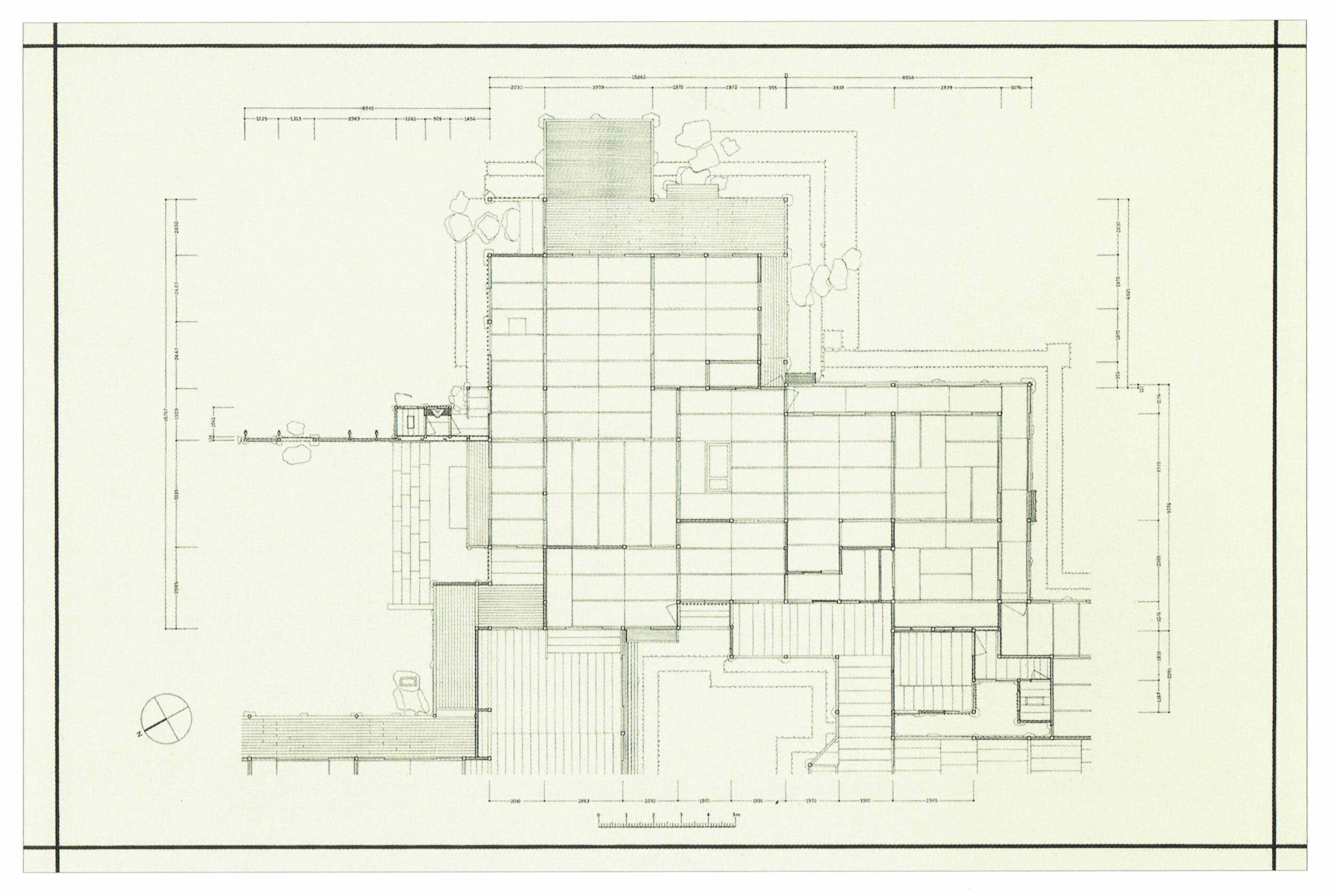
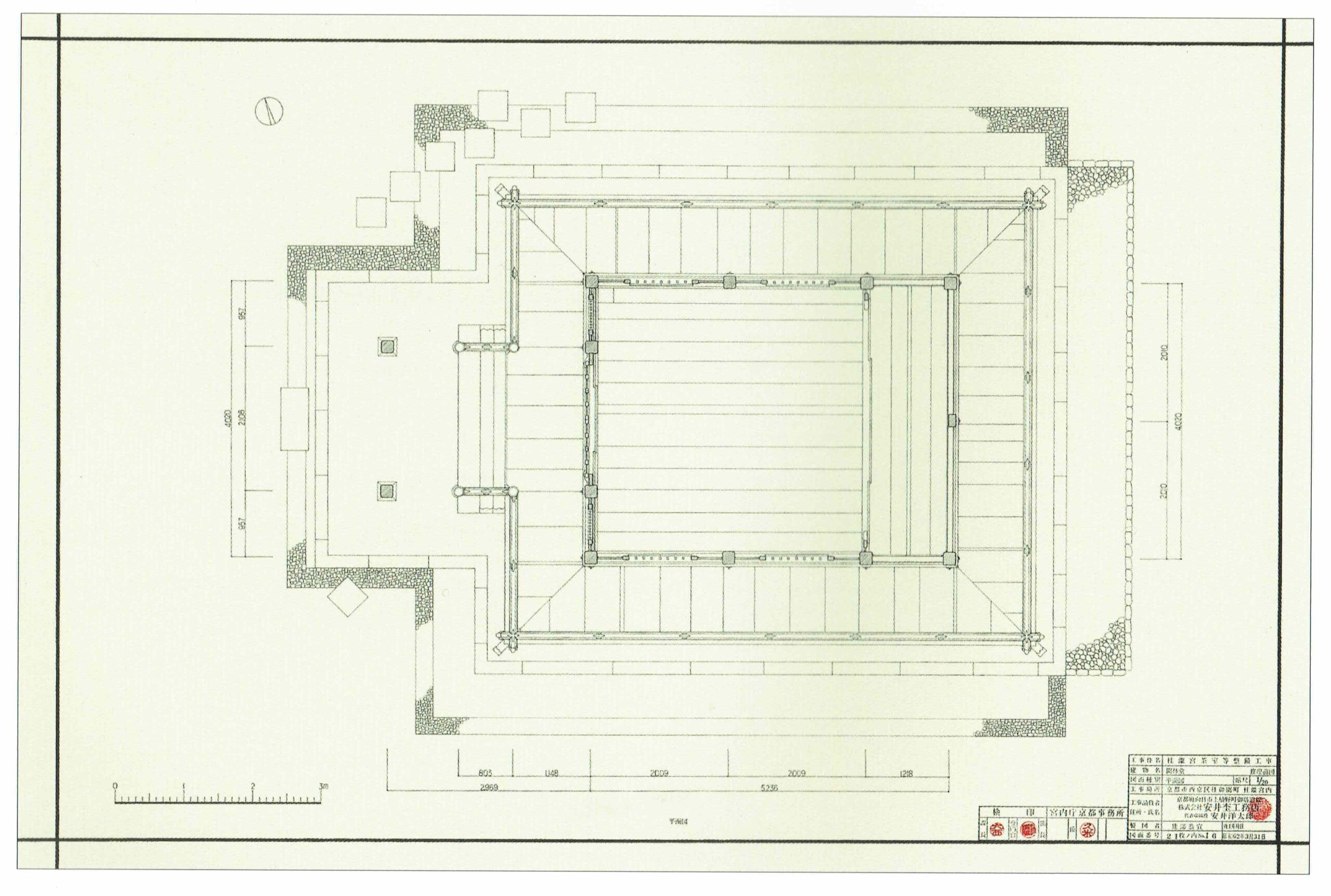
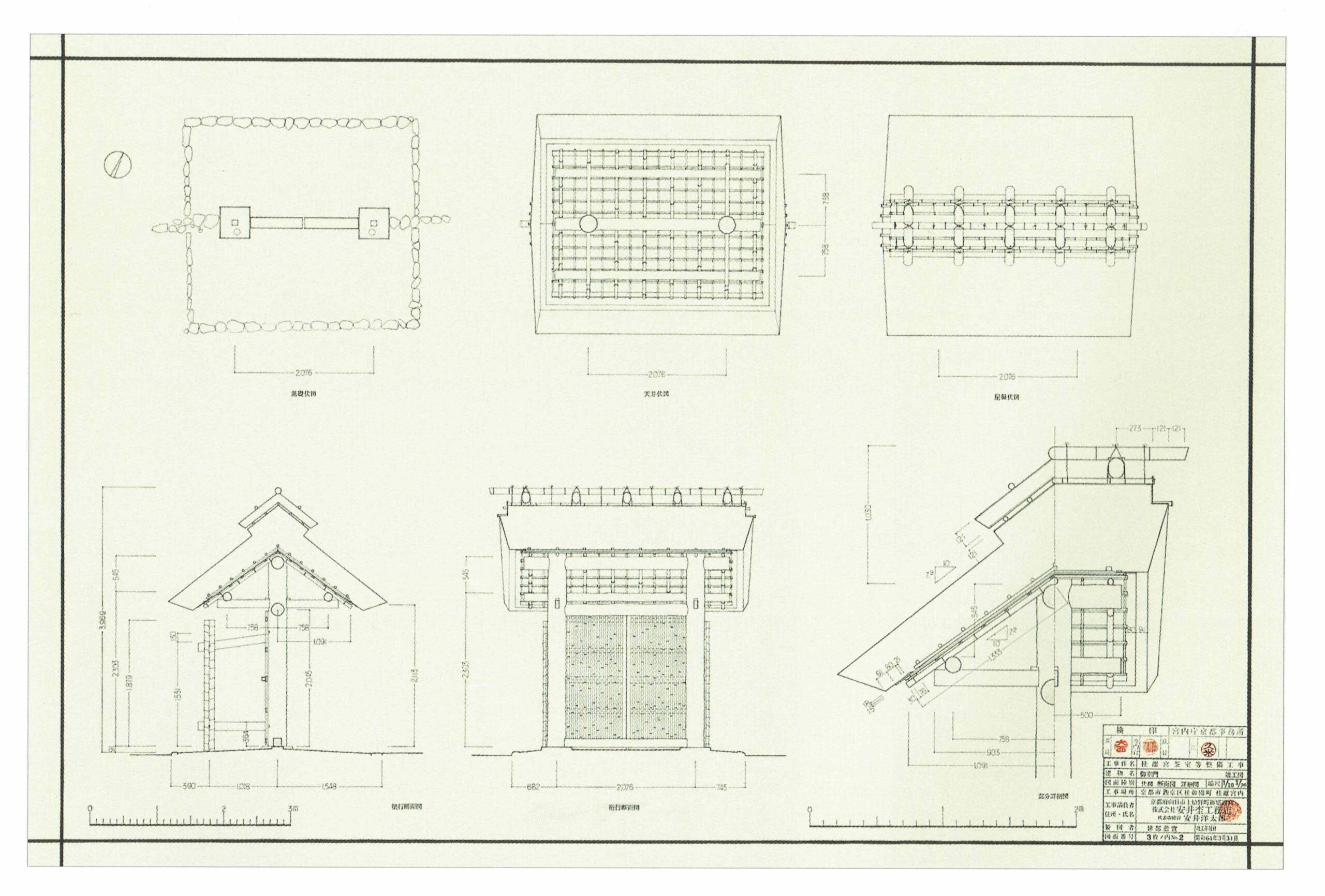
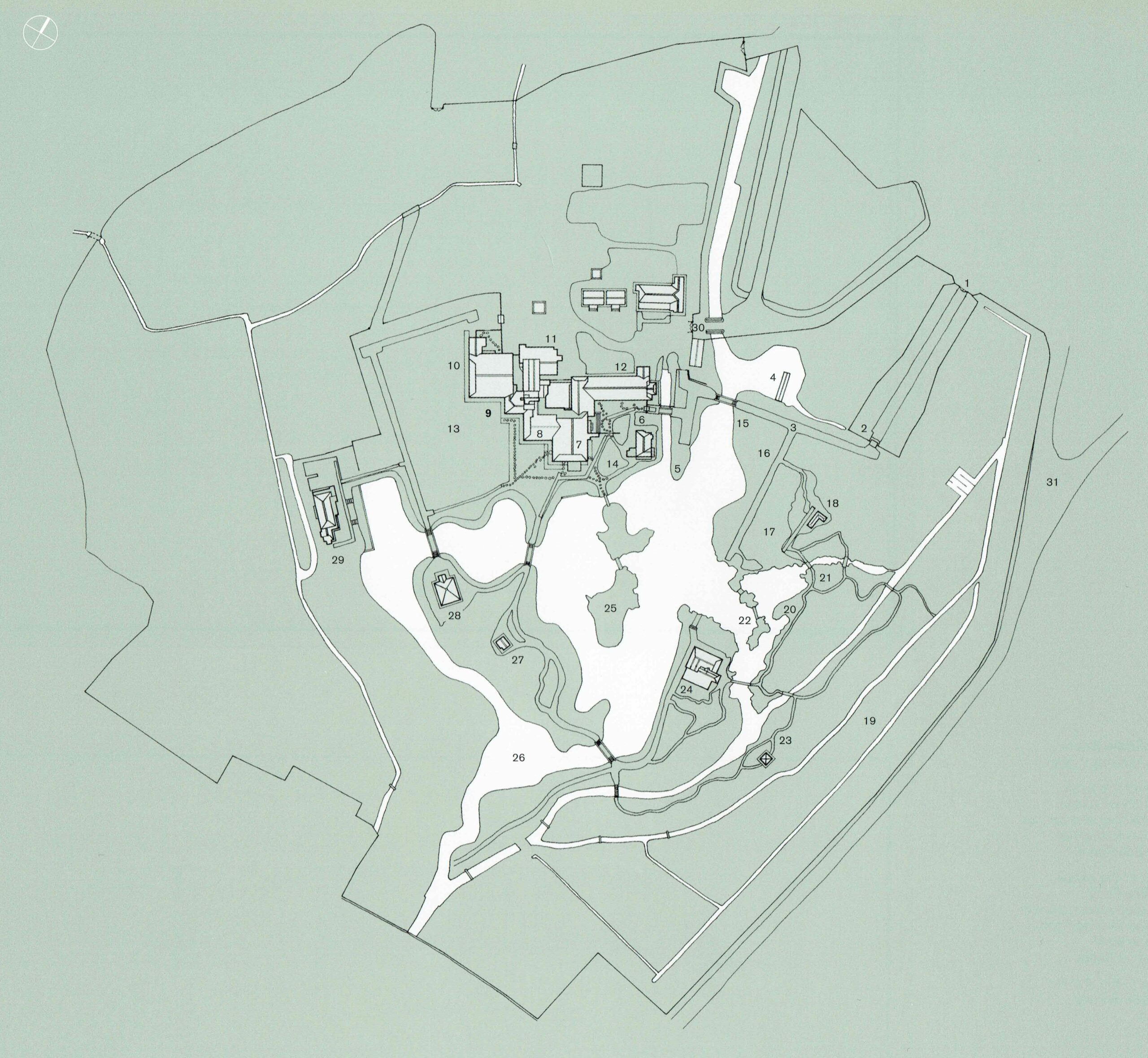
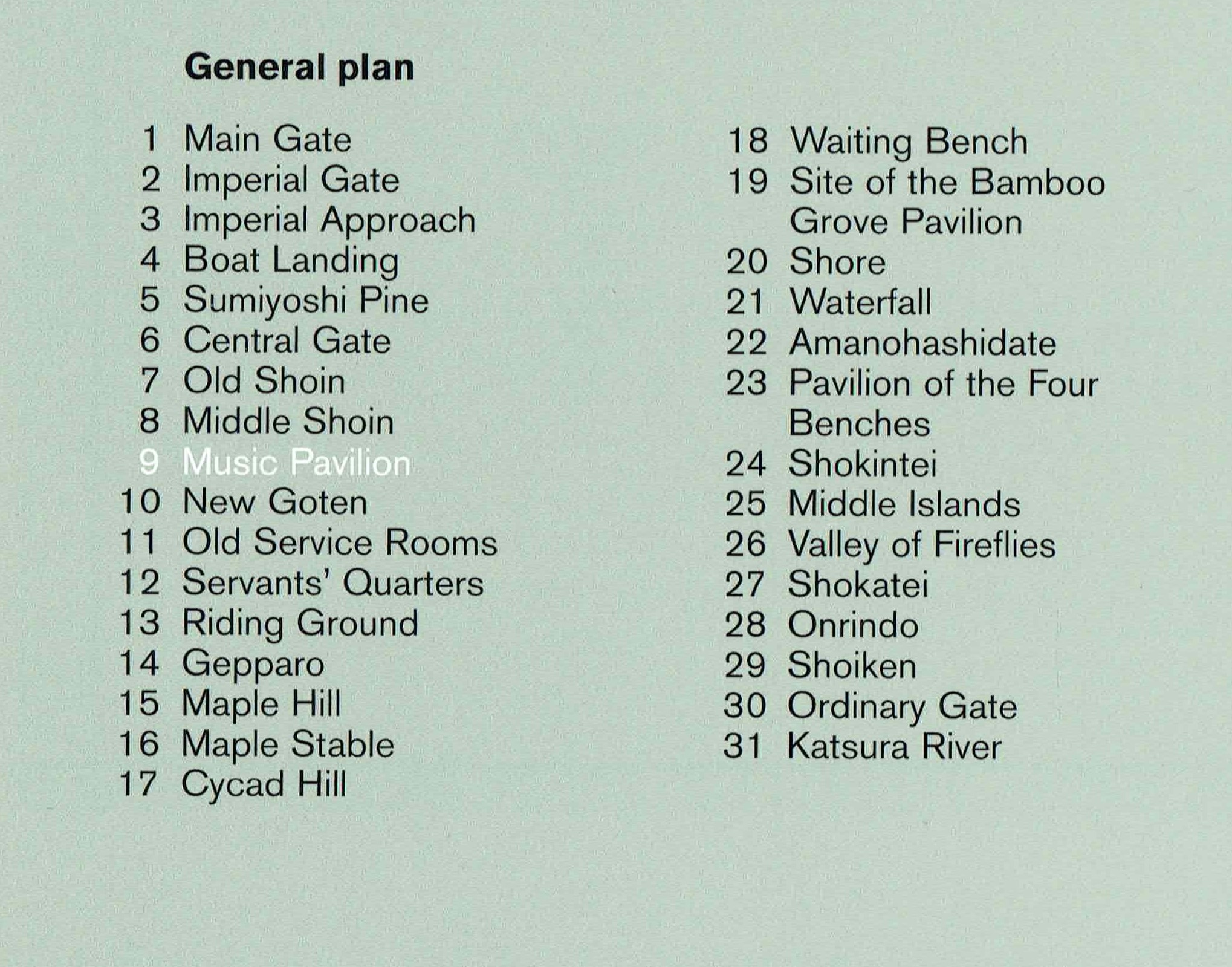
As you enter from the gate the view of the building is concealed by a hedge. The stone slabs in well-calcu- lated forms set on the moss lead to one side, where other simpler stones indicate the deviation. And only at this point does the stone path between the moss turn diagonally towards the entrance to the house, so you are still unable to get a view into the building. The axis of the entrance and first rooms leads to a lantern in the hedge, so even when you are inside the house your view is arrested in the courtyard, but un- related to the movements of a person arriving…
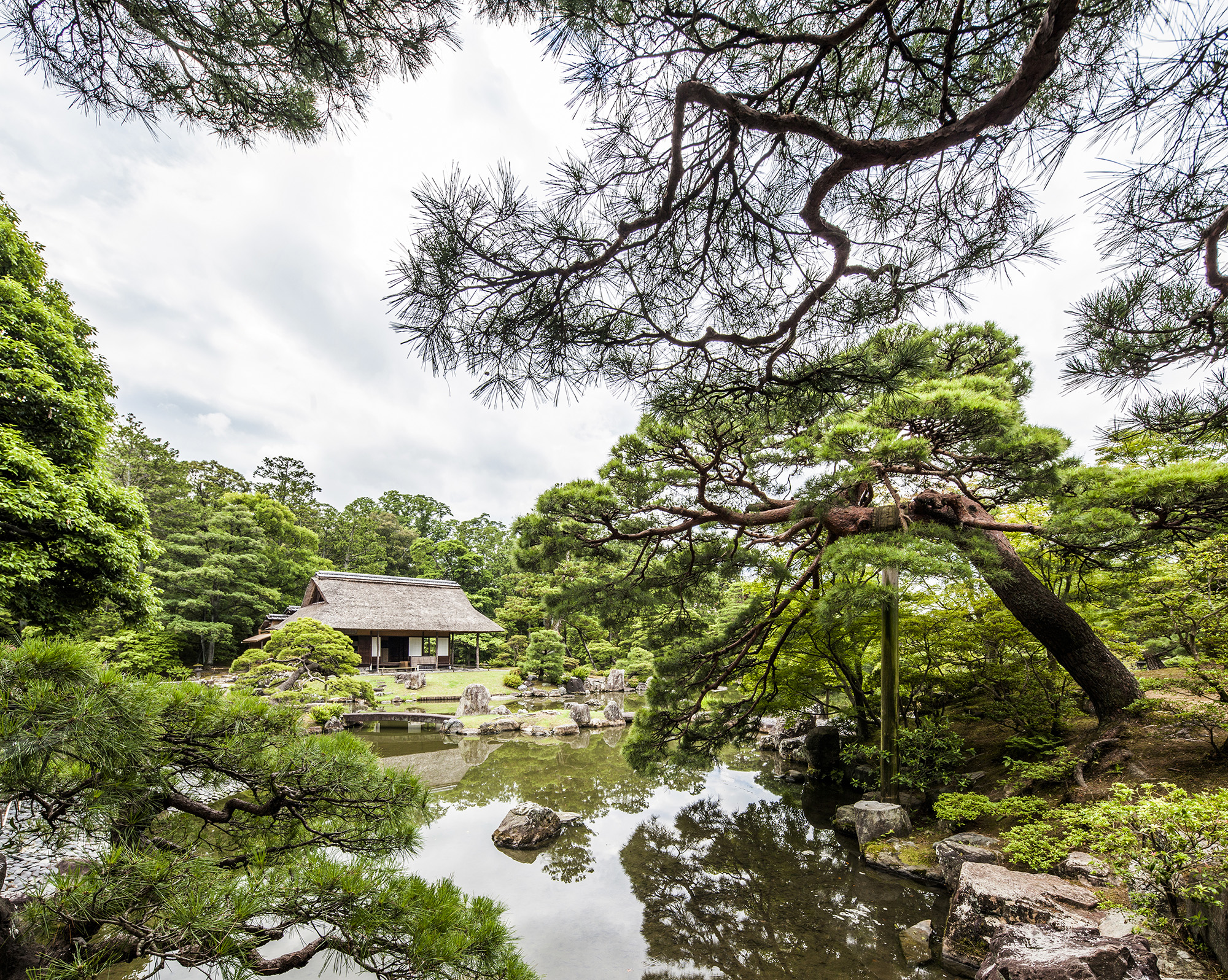
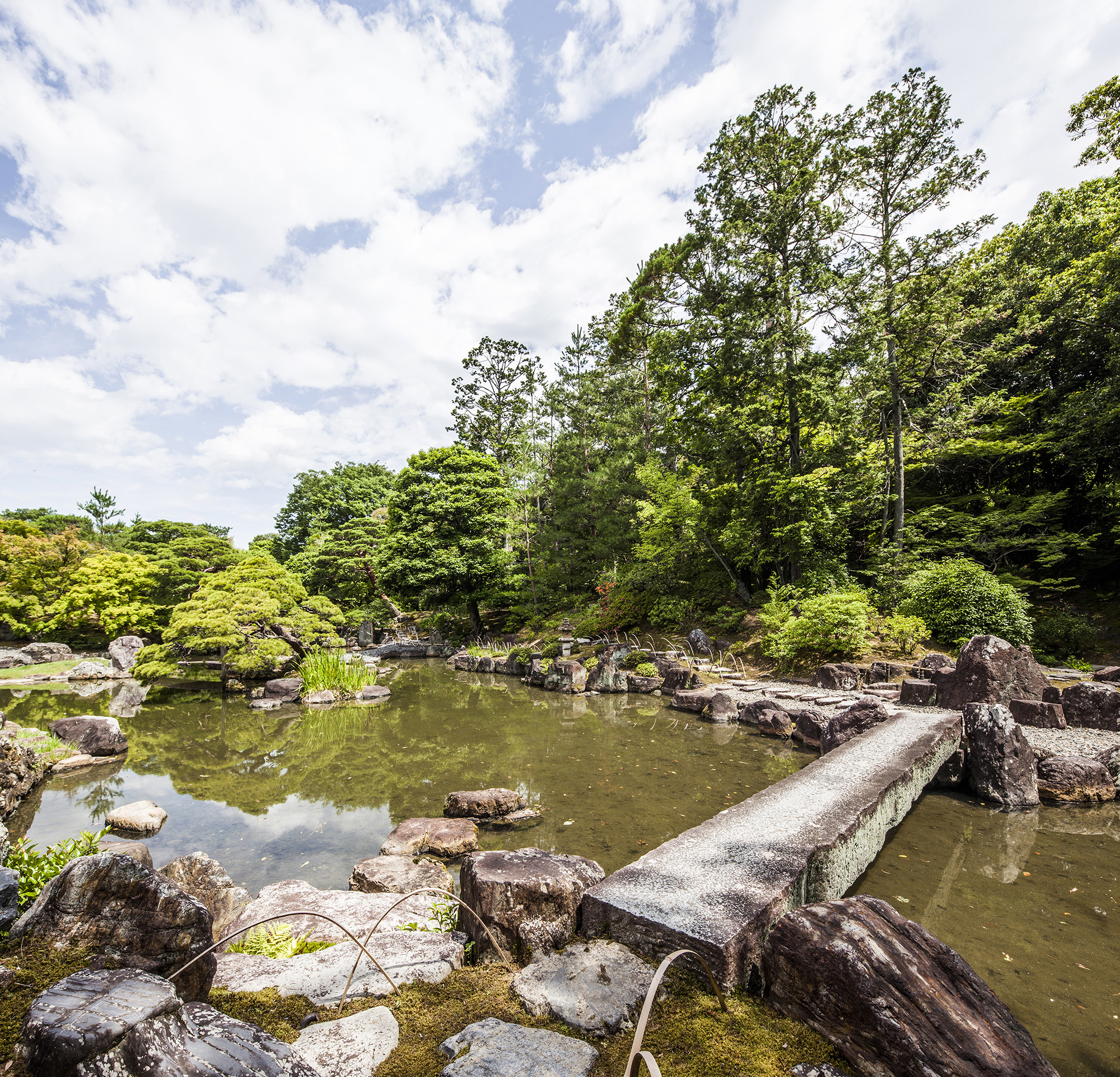
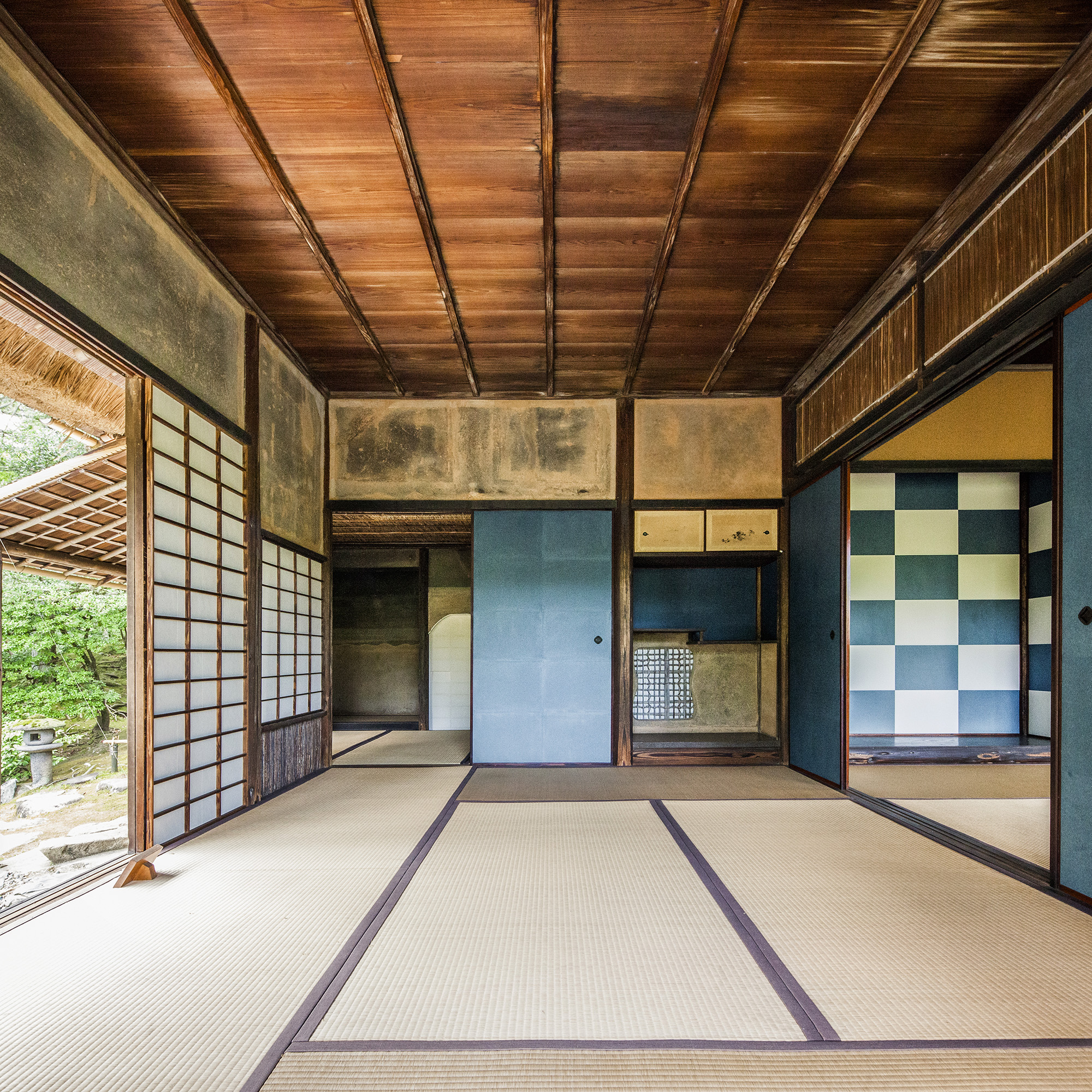
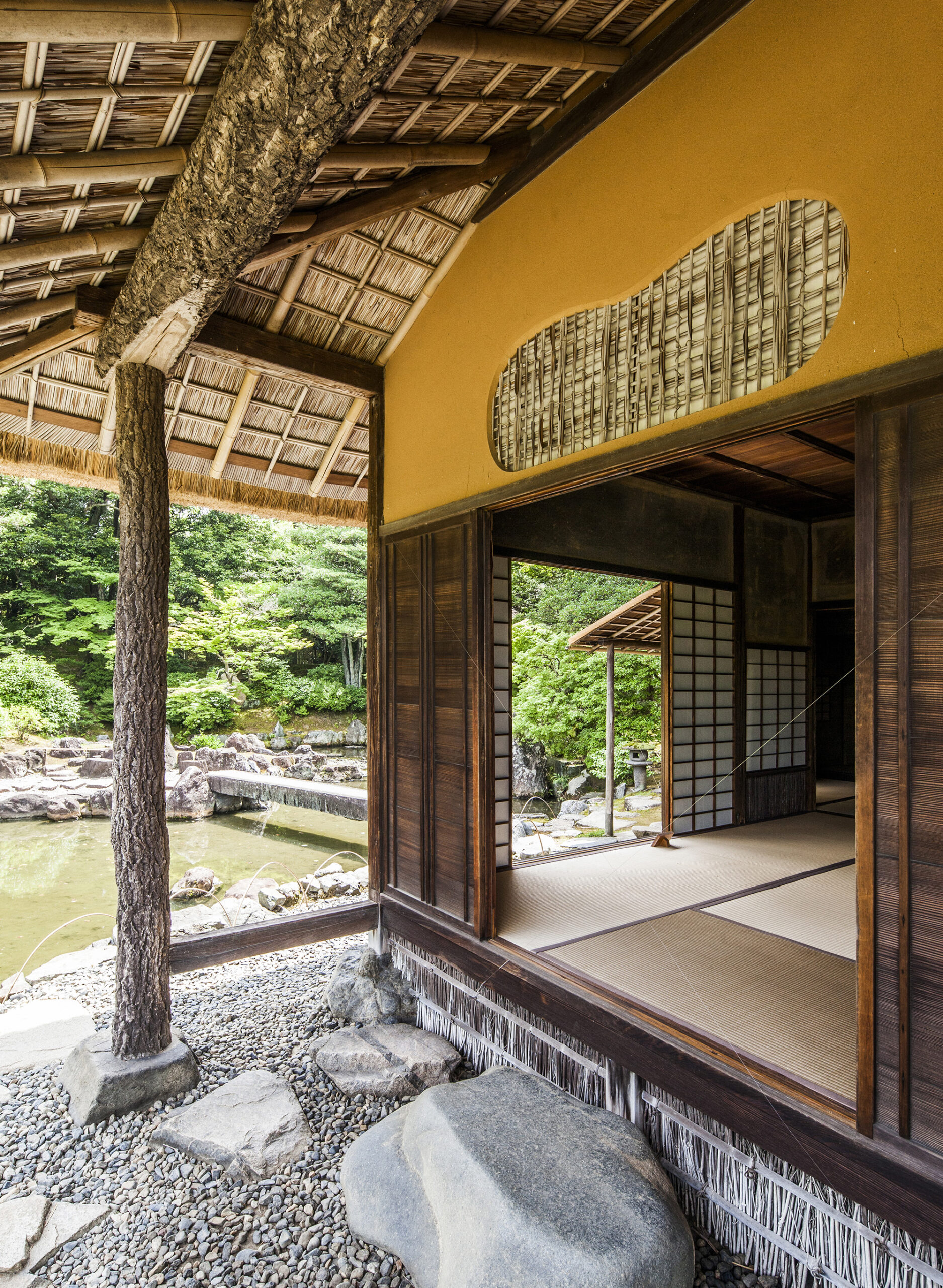
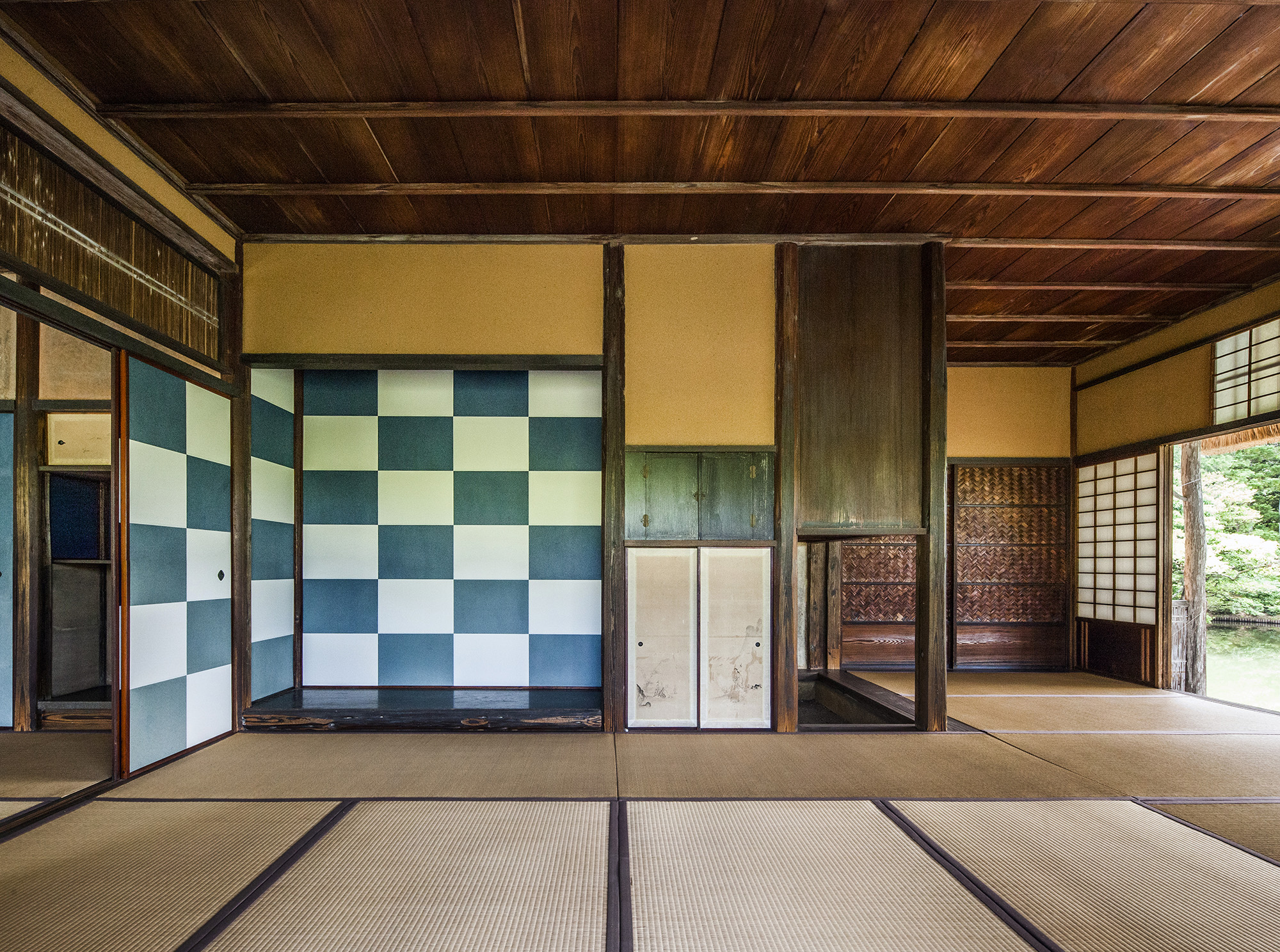
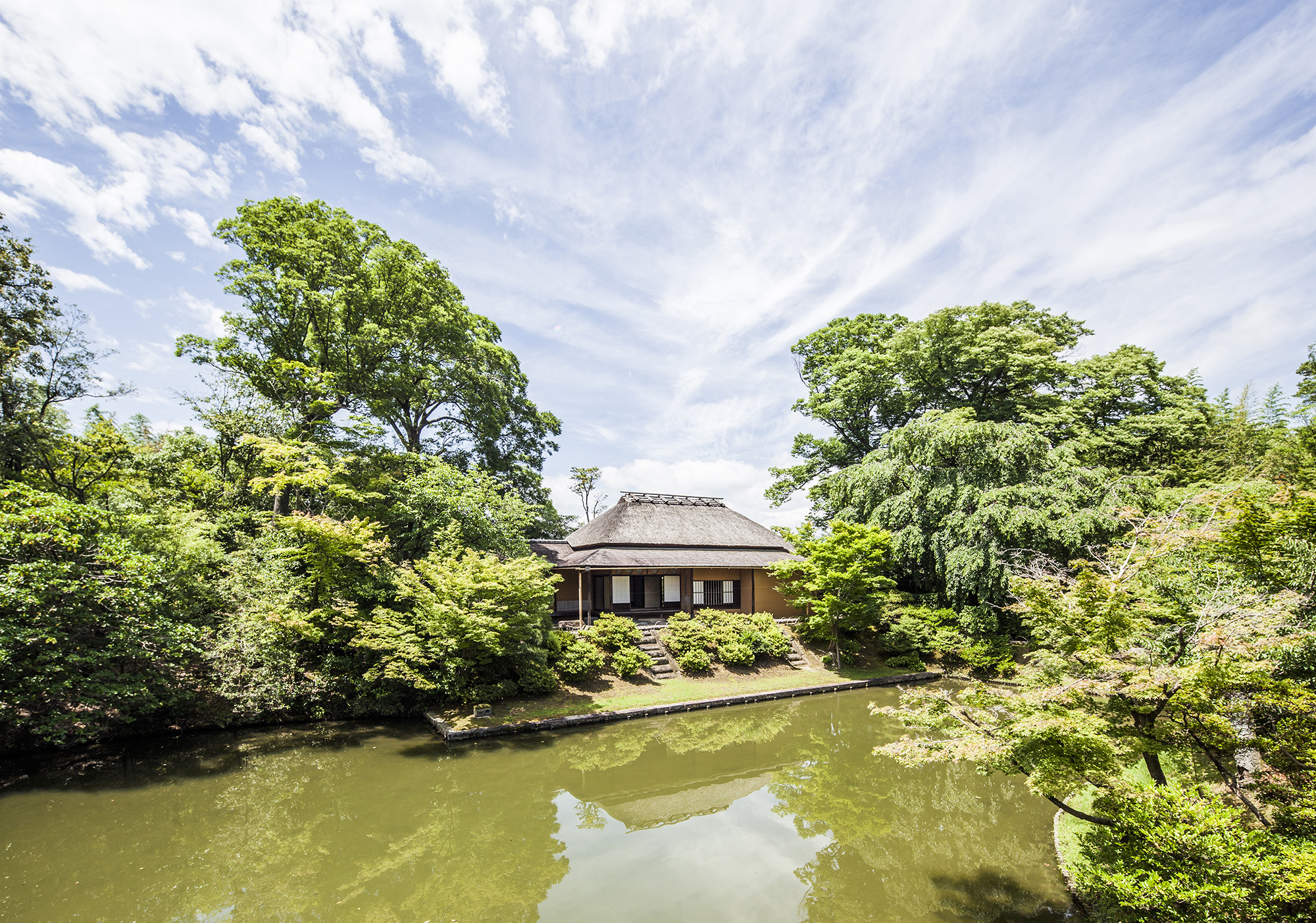
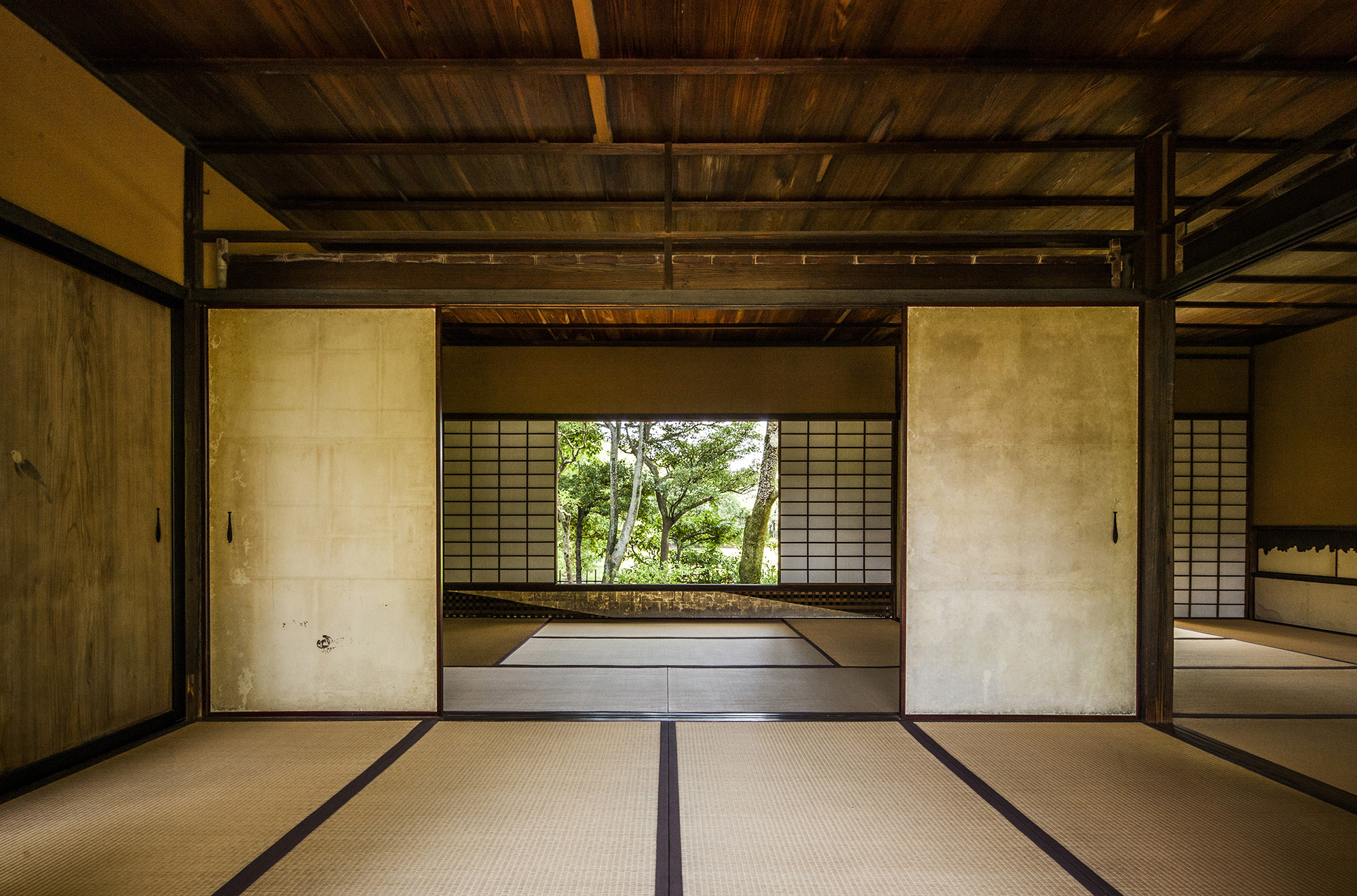
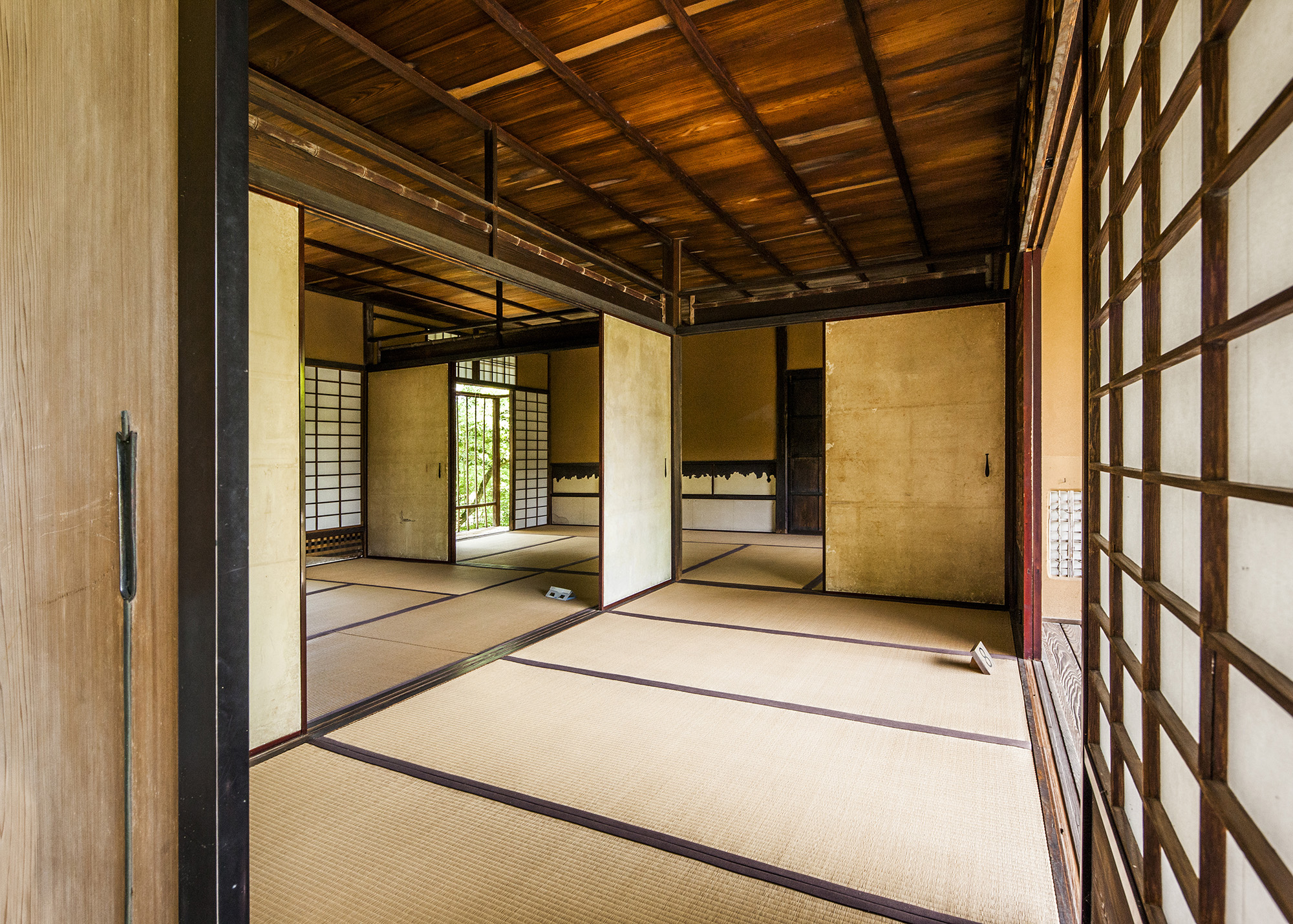
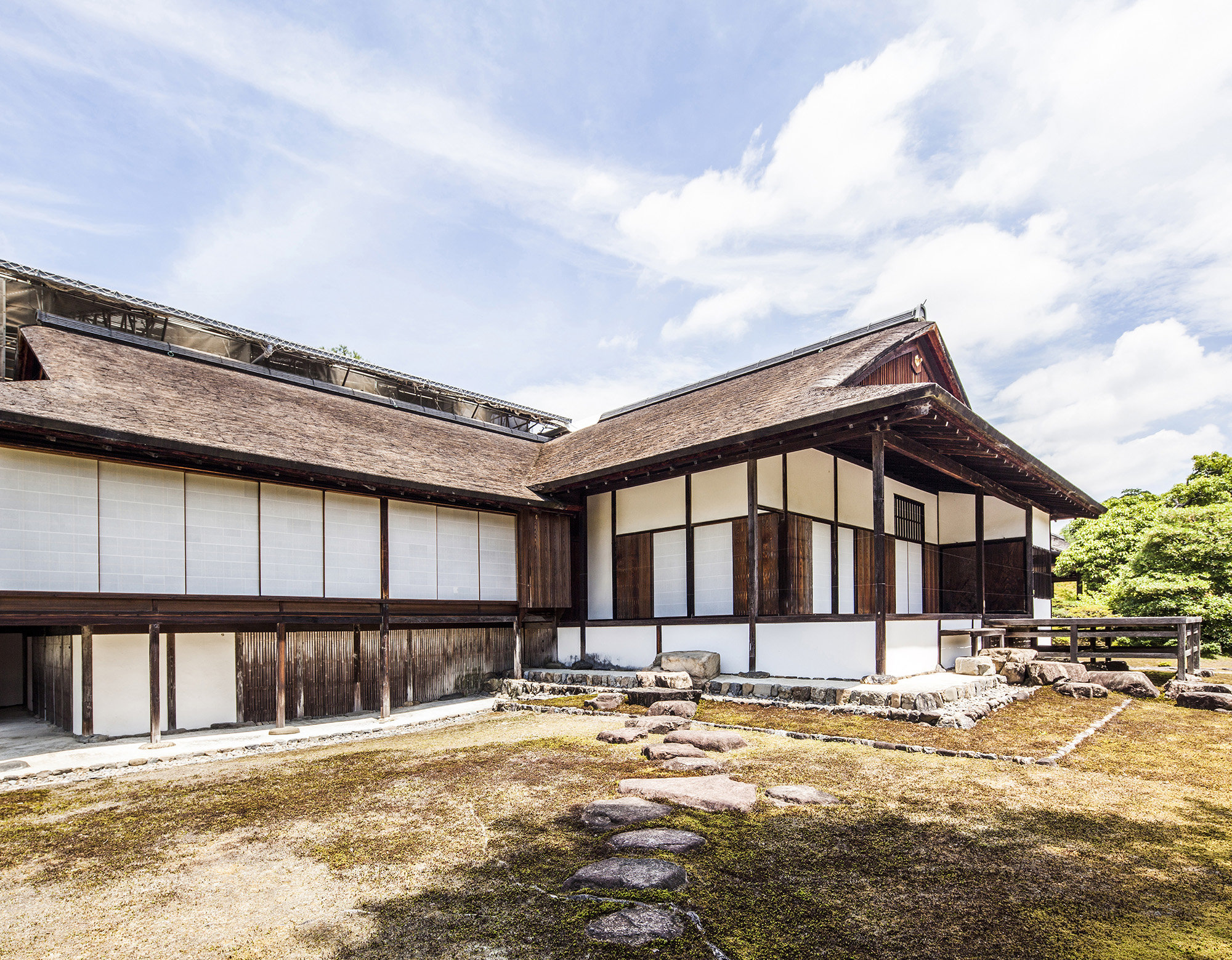
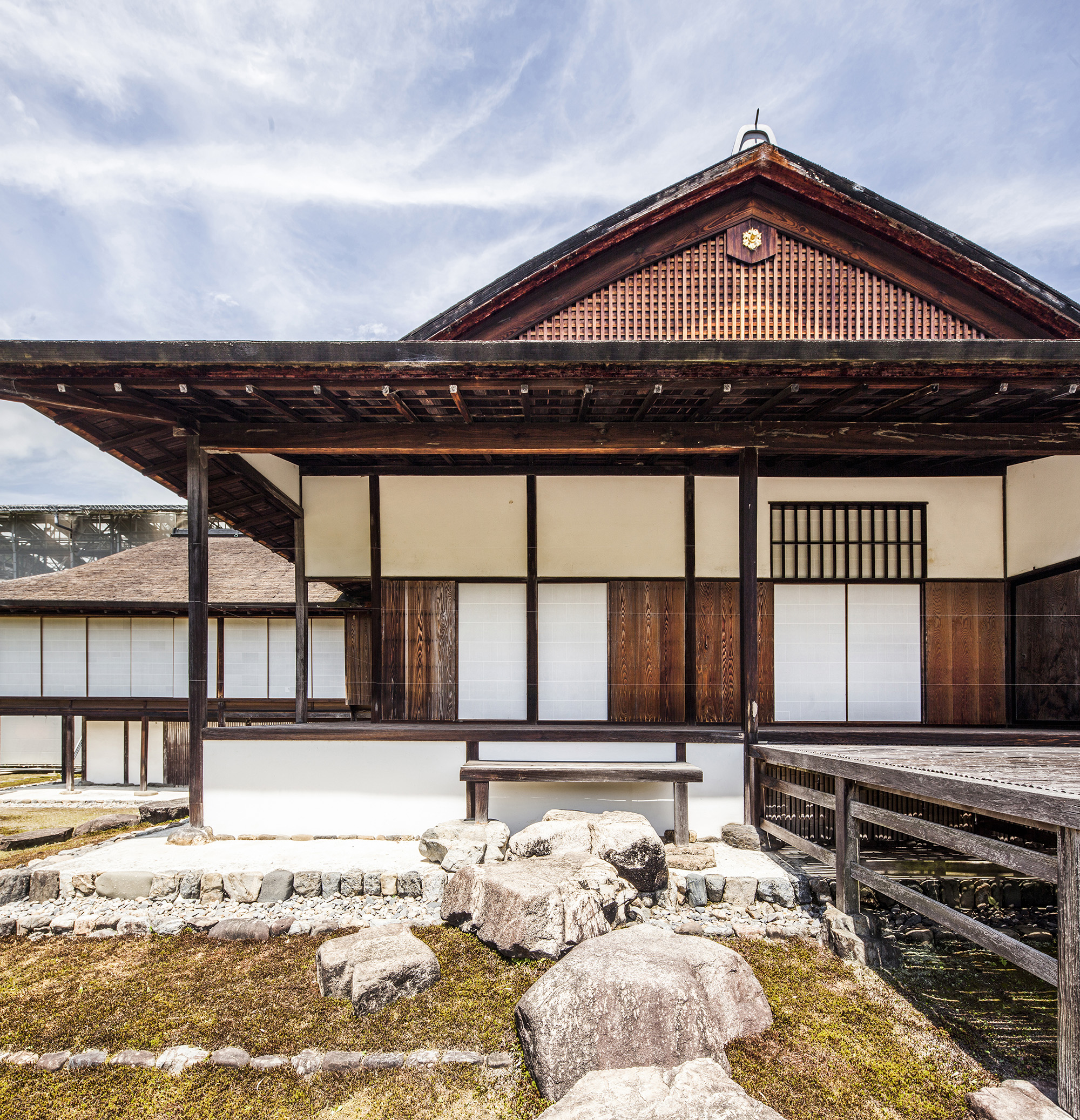
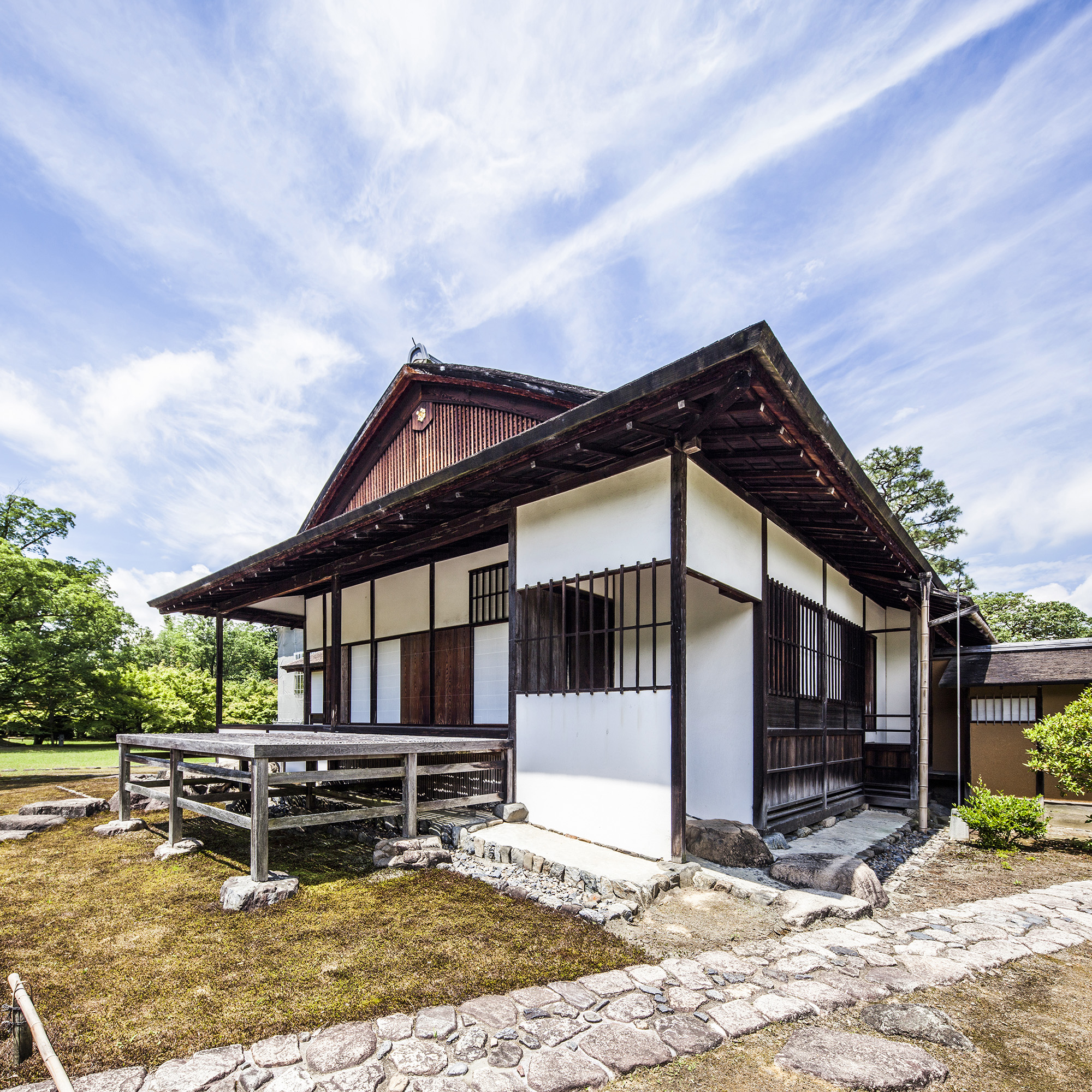
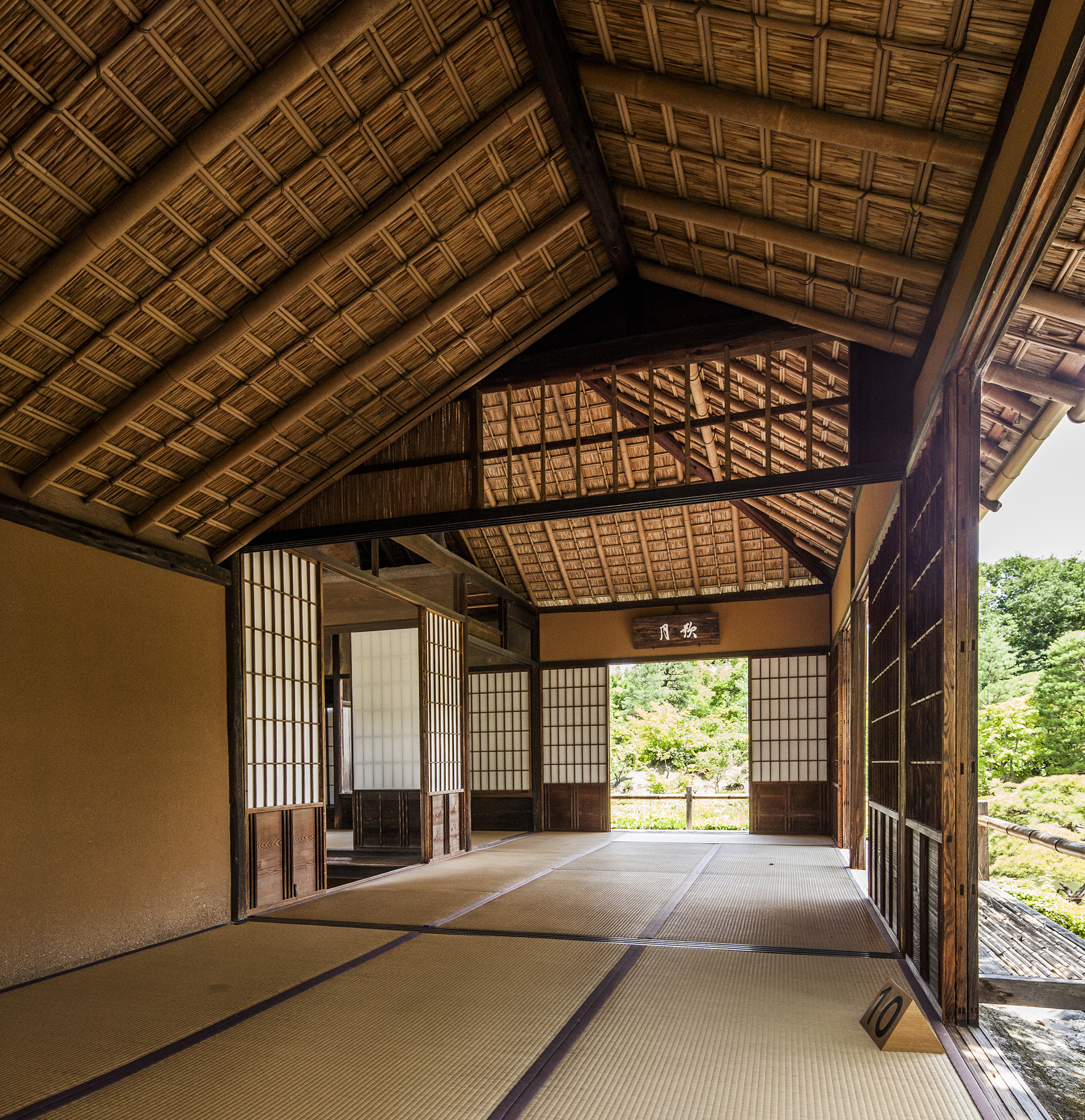
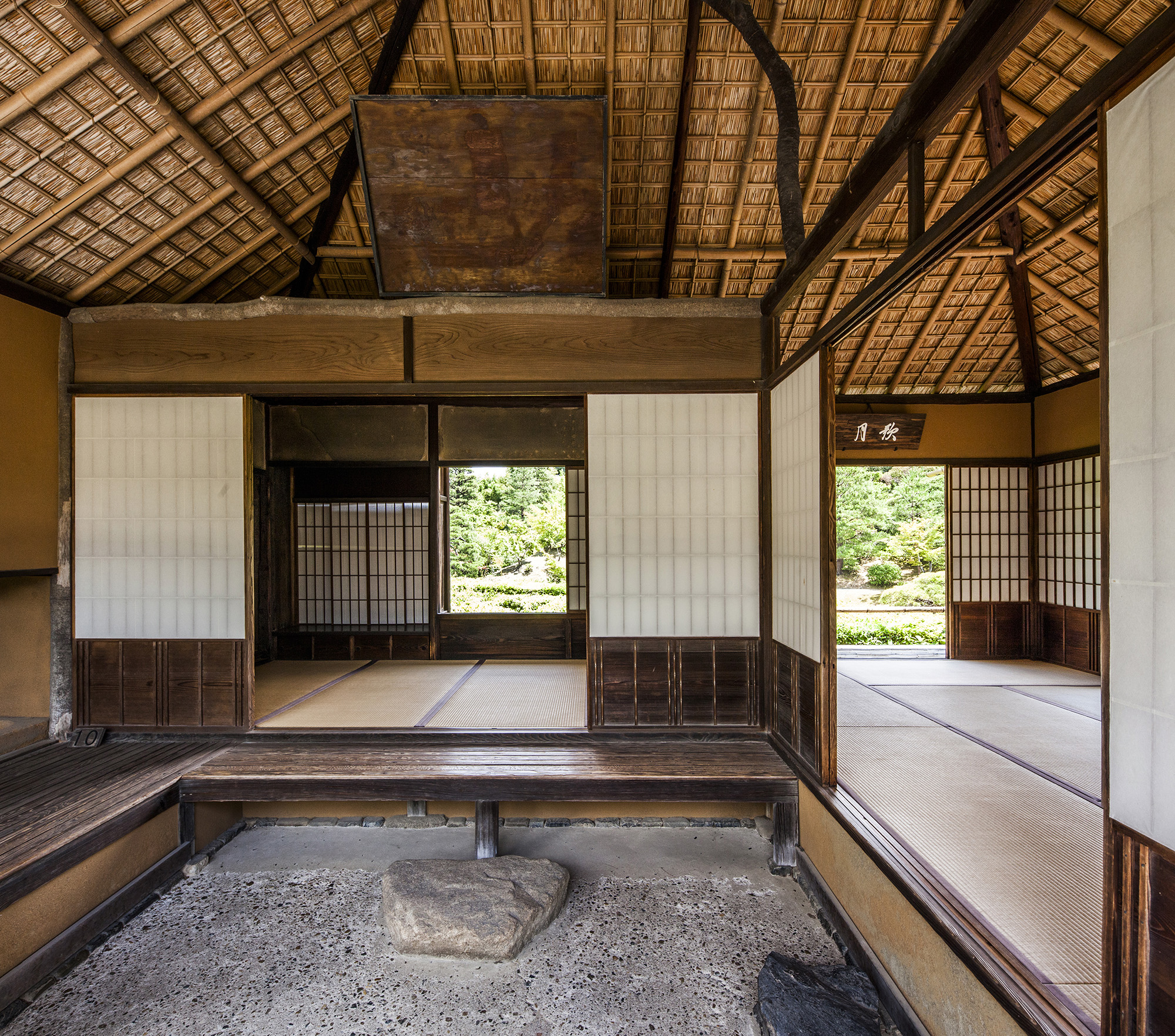
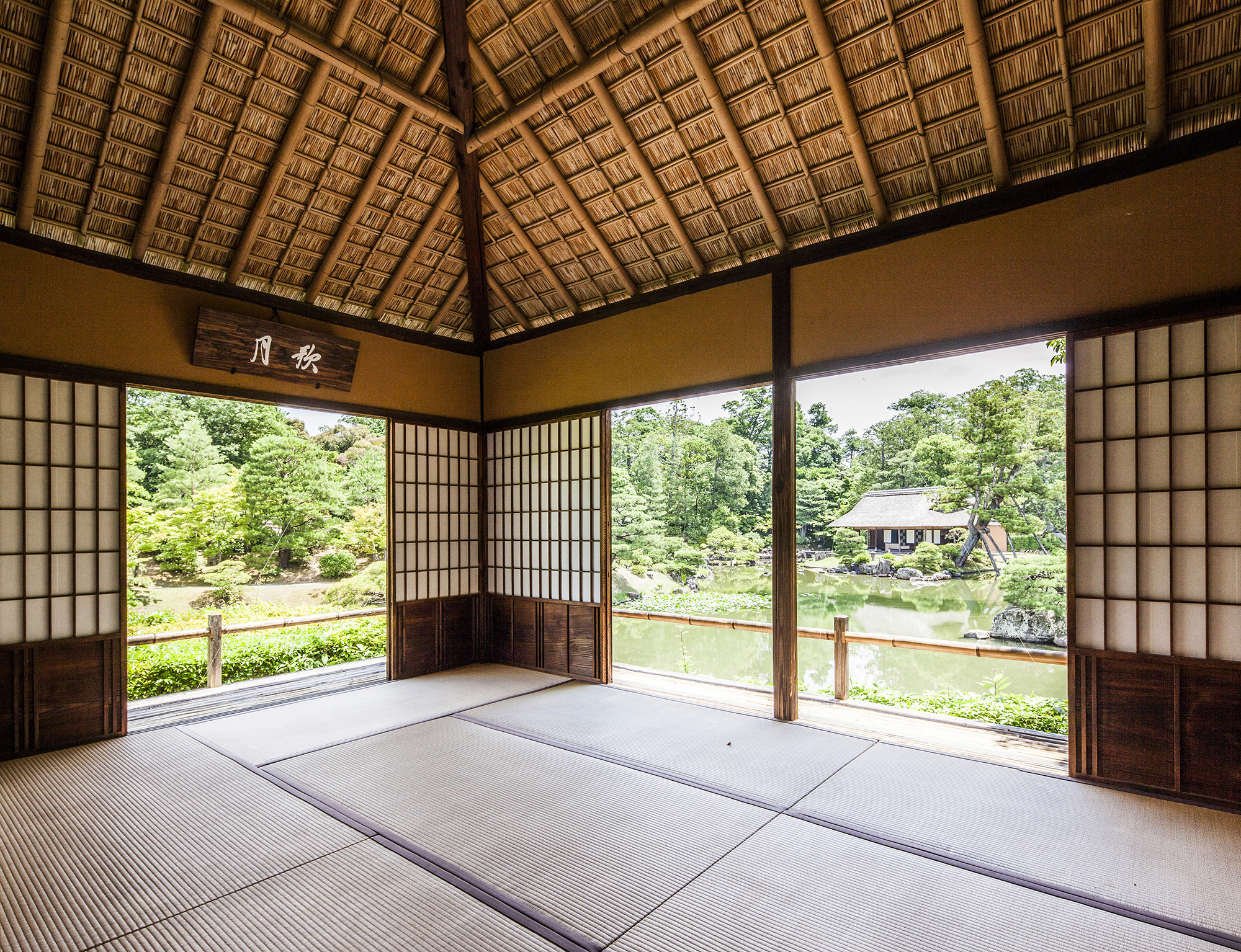
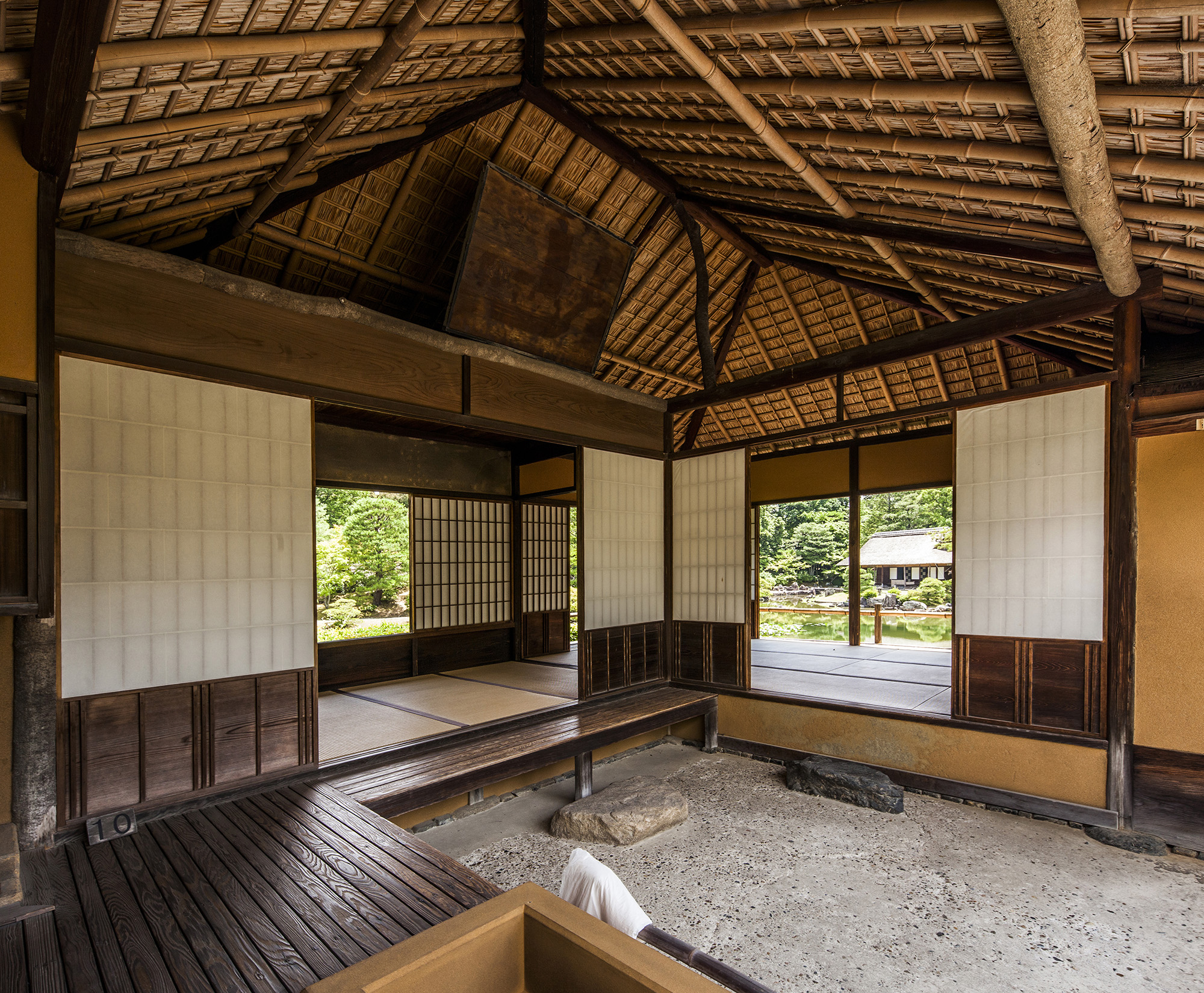
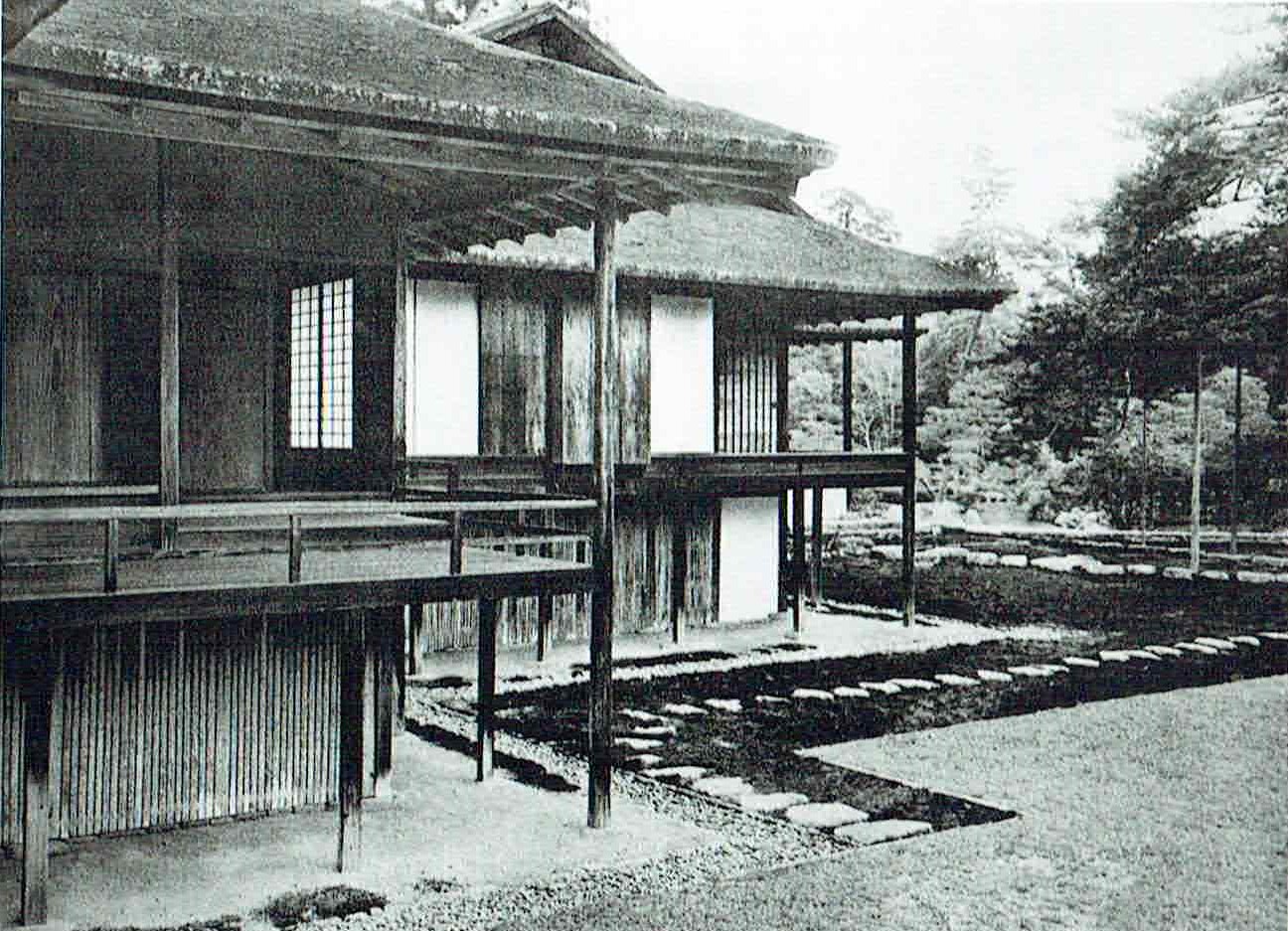
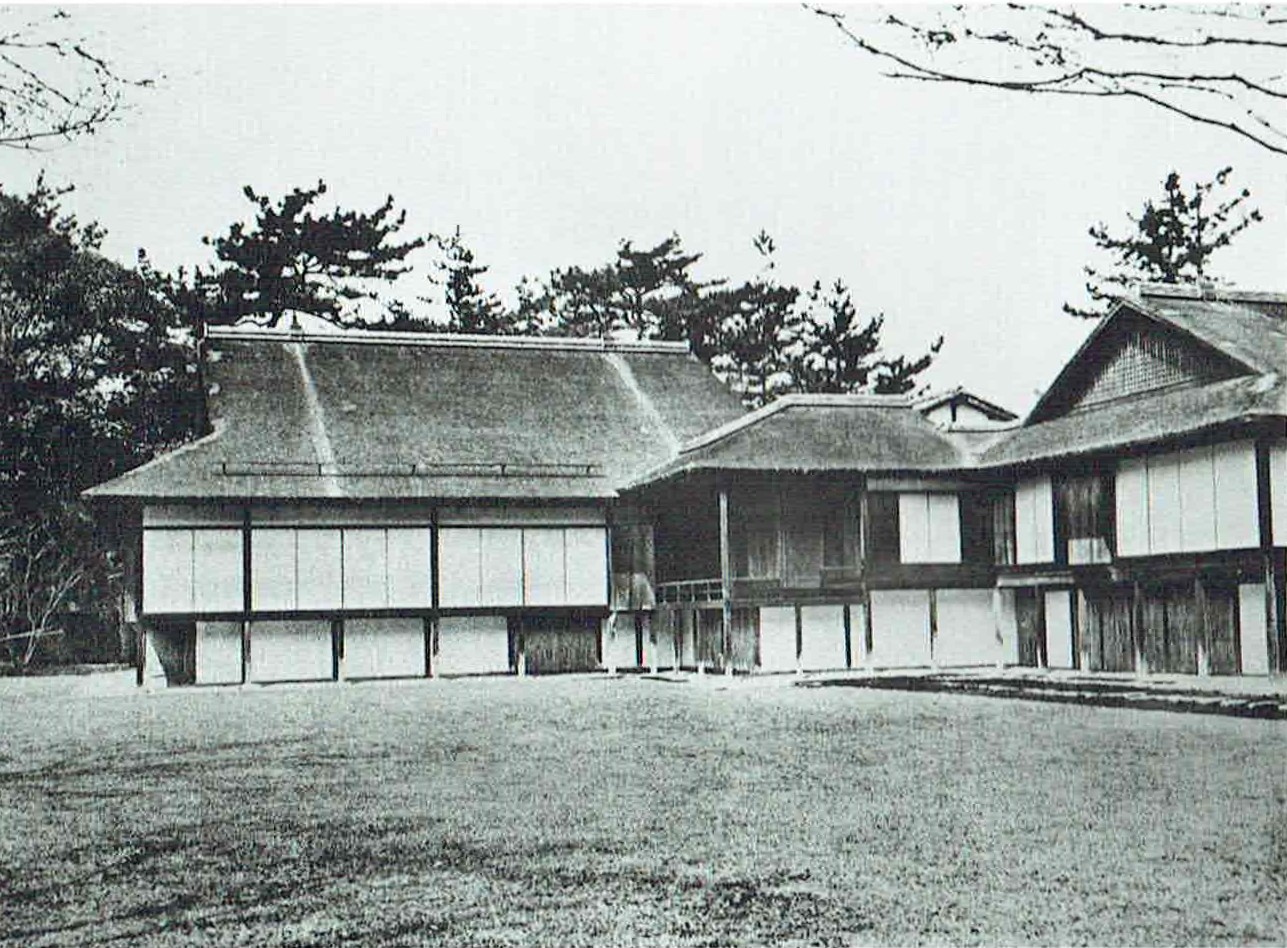
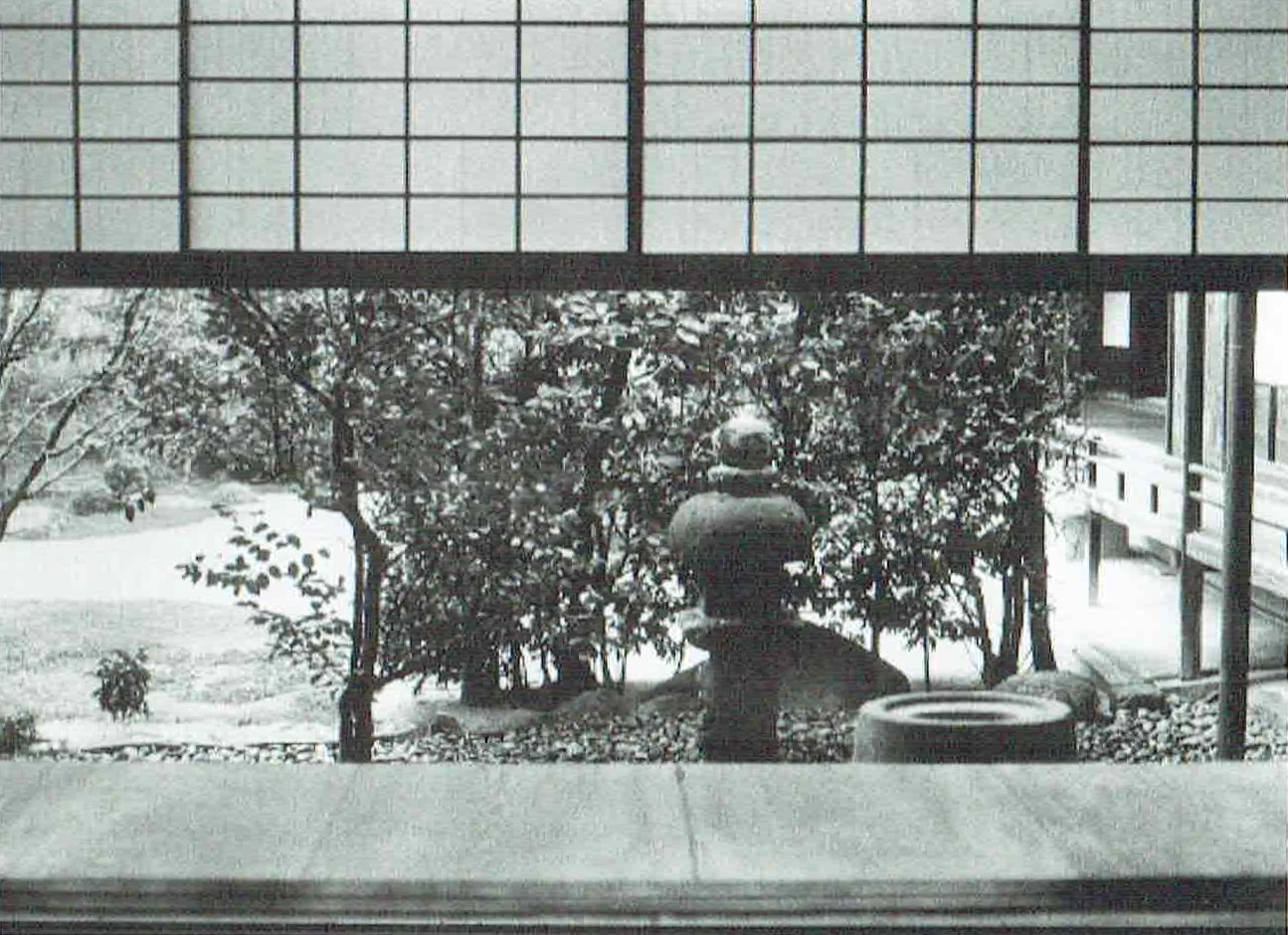
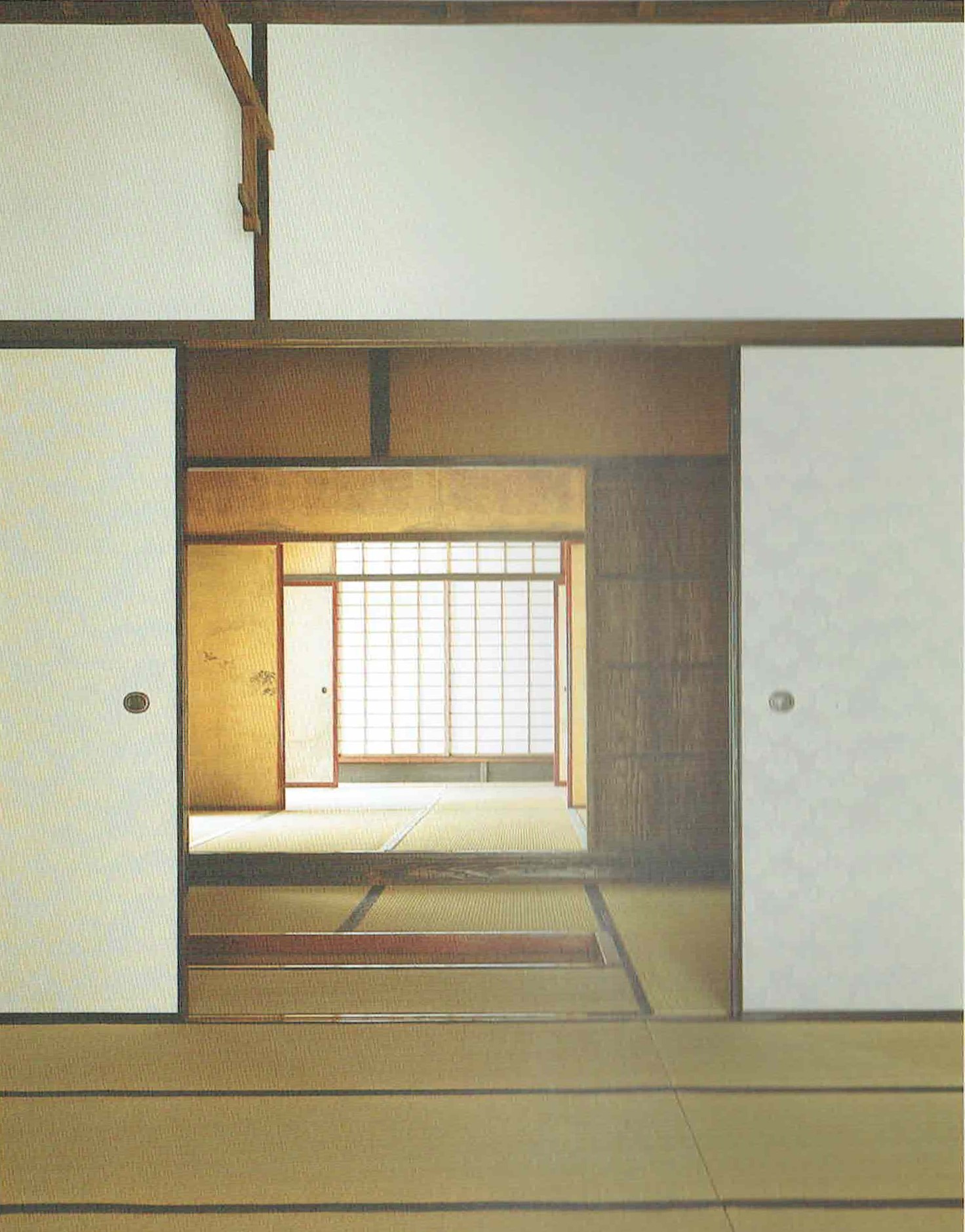
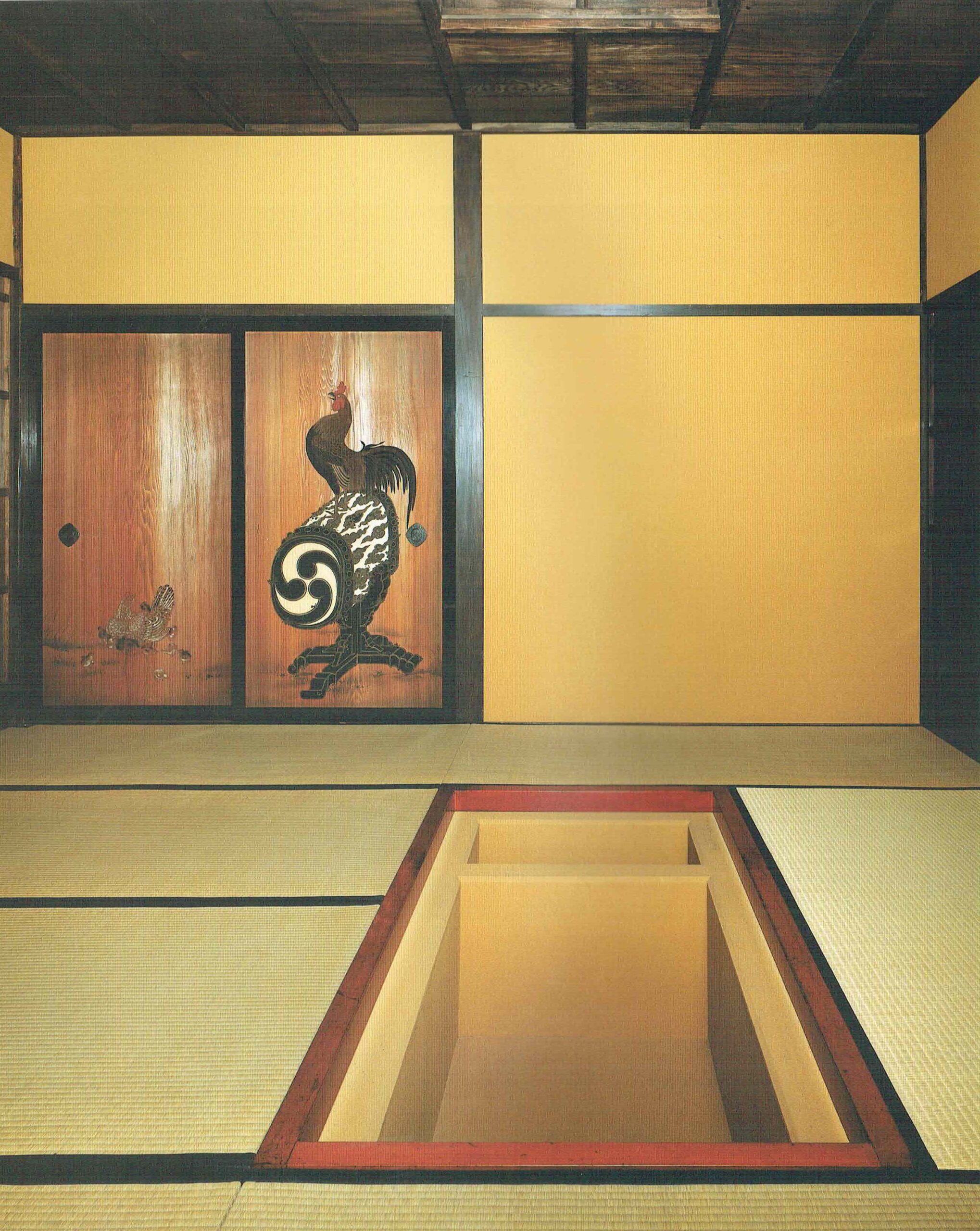
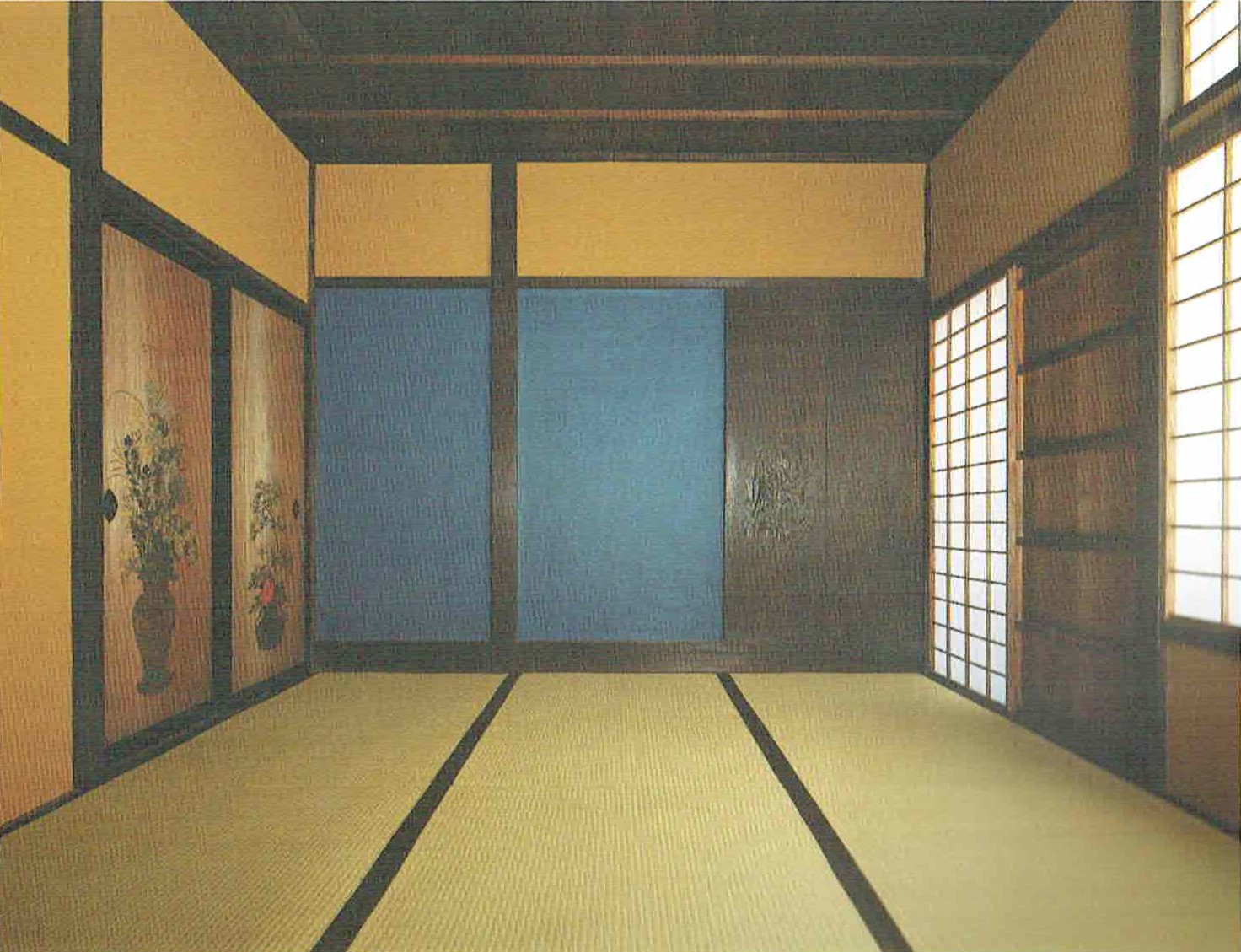
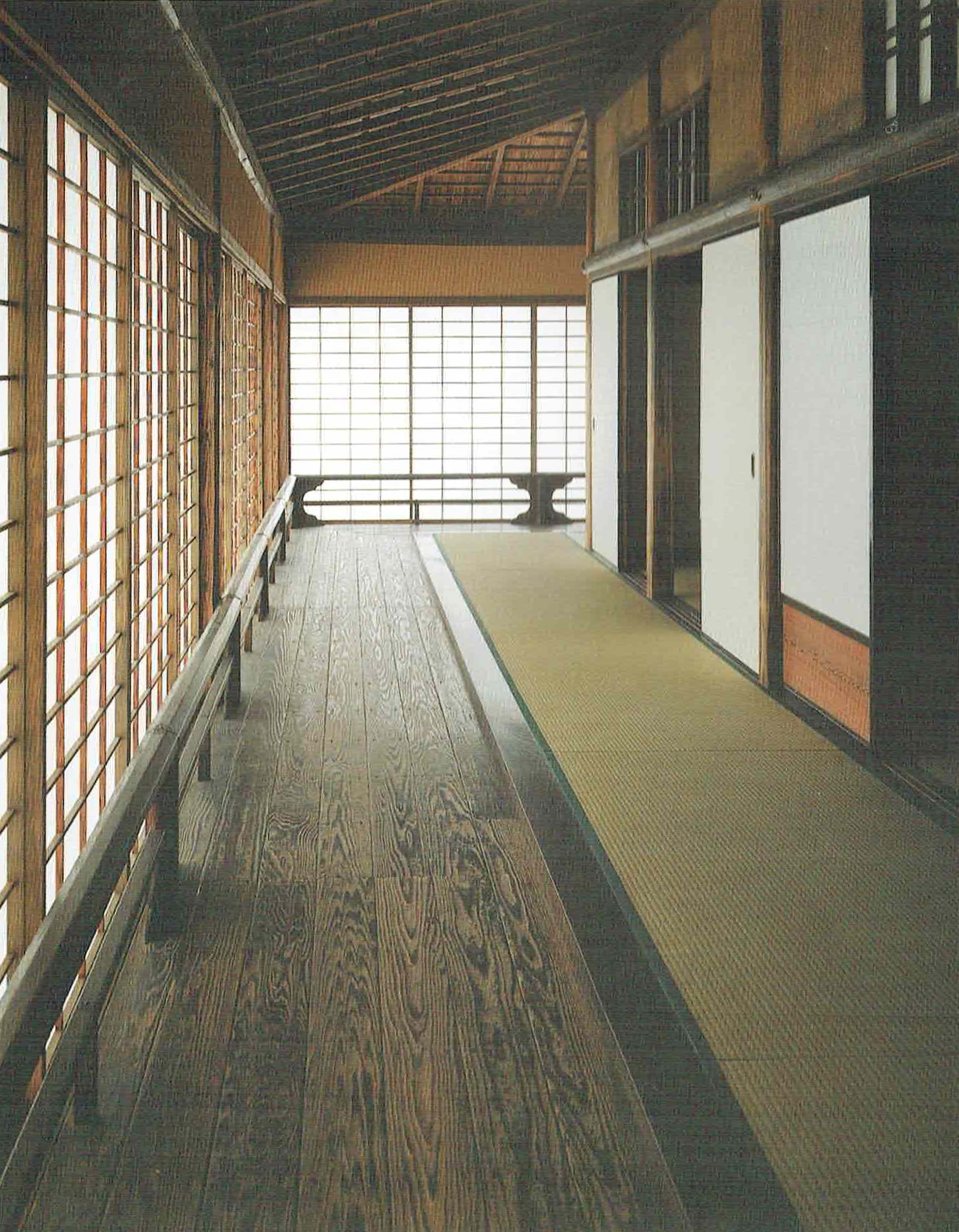
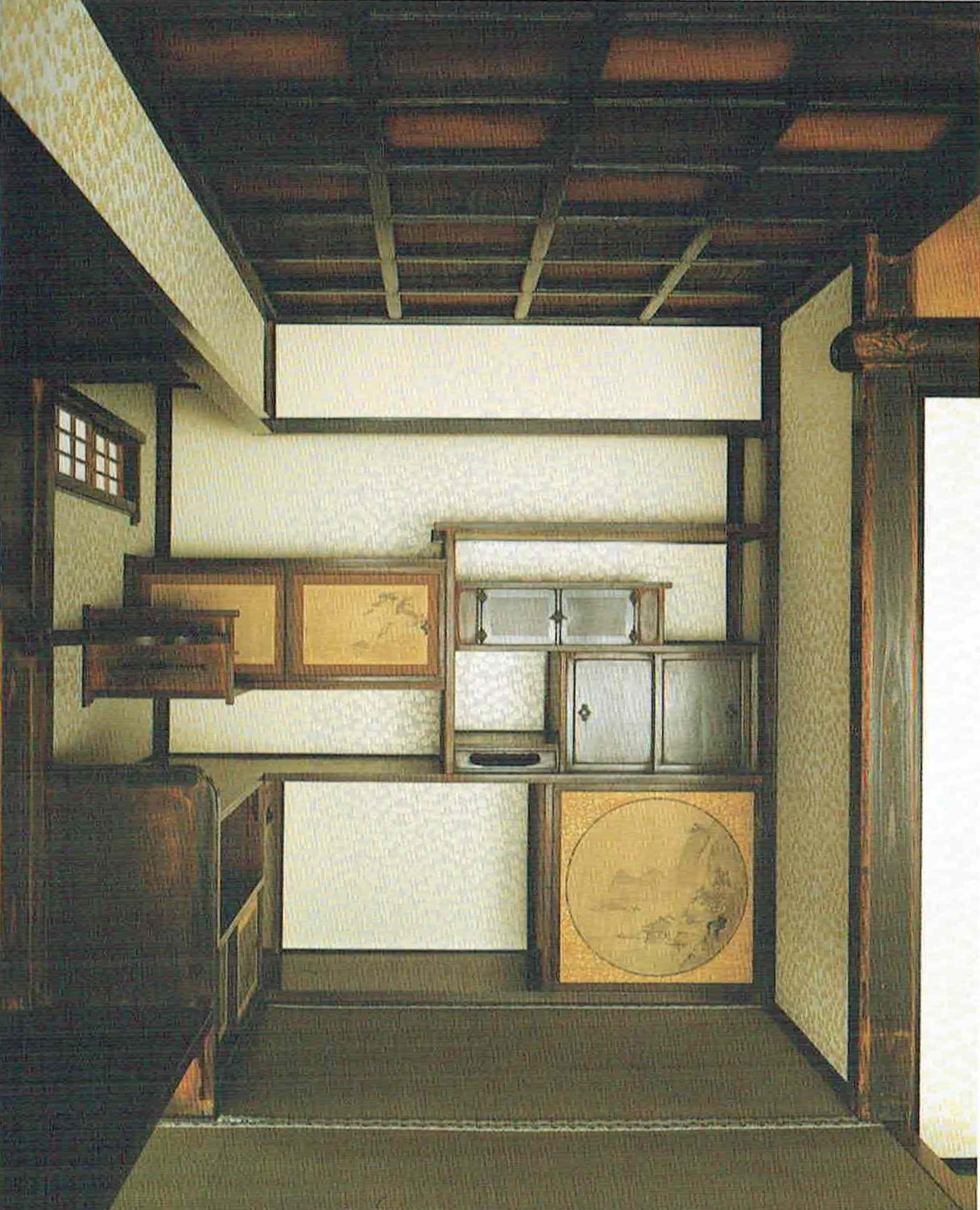
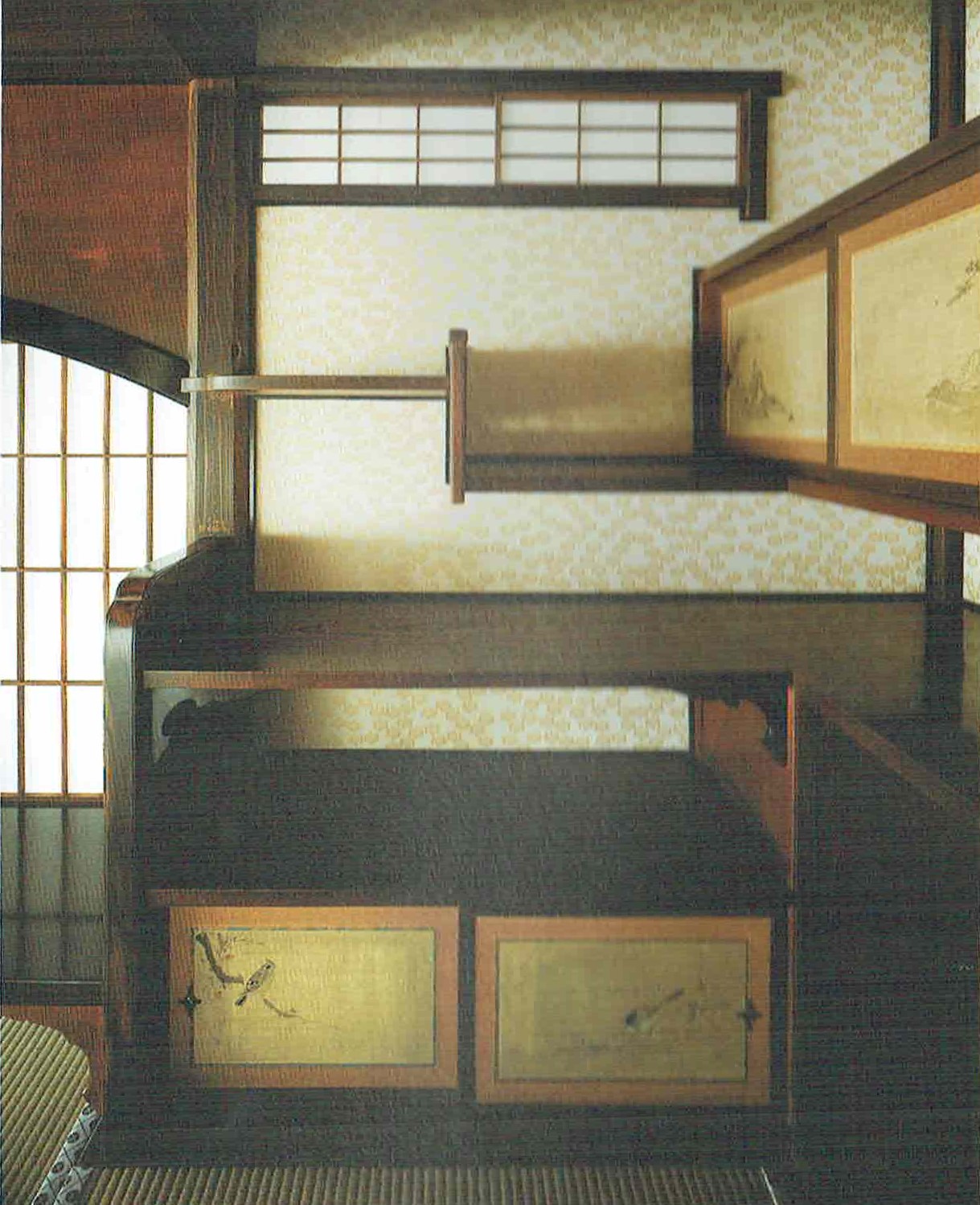
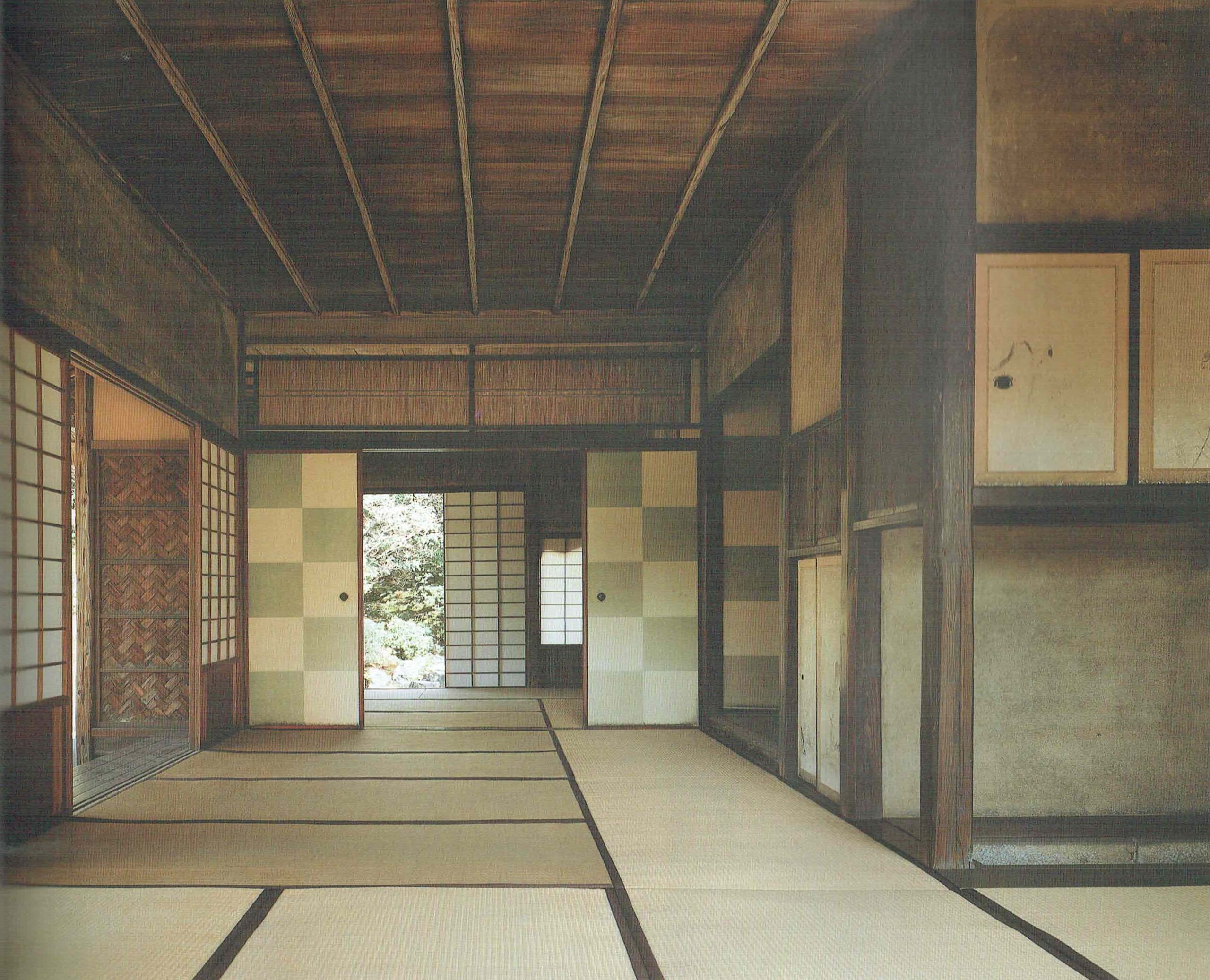
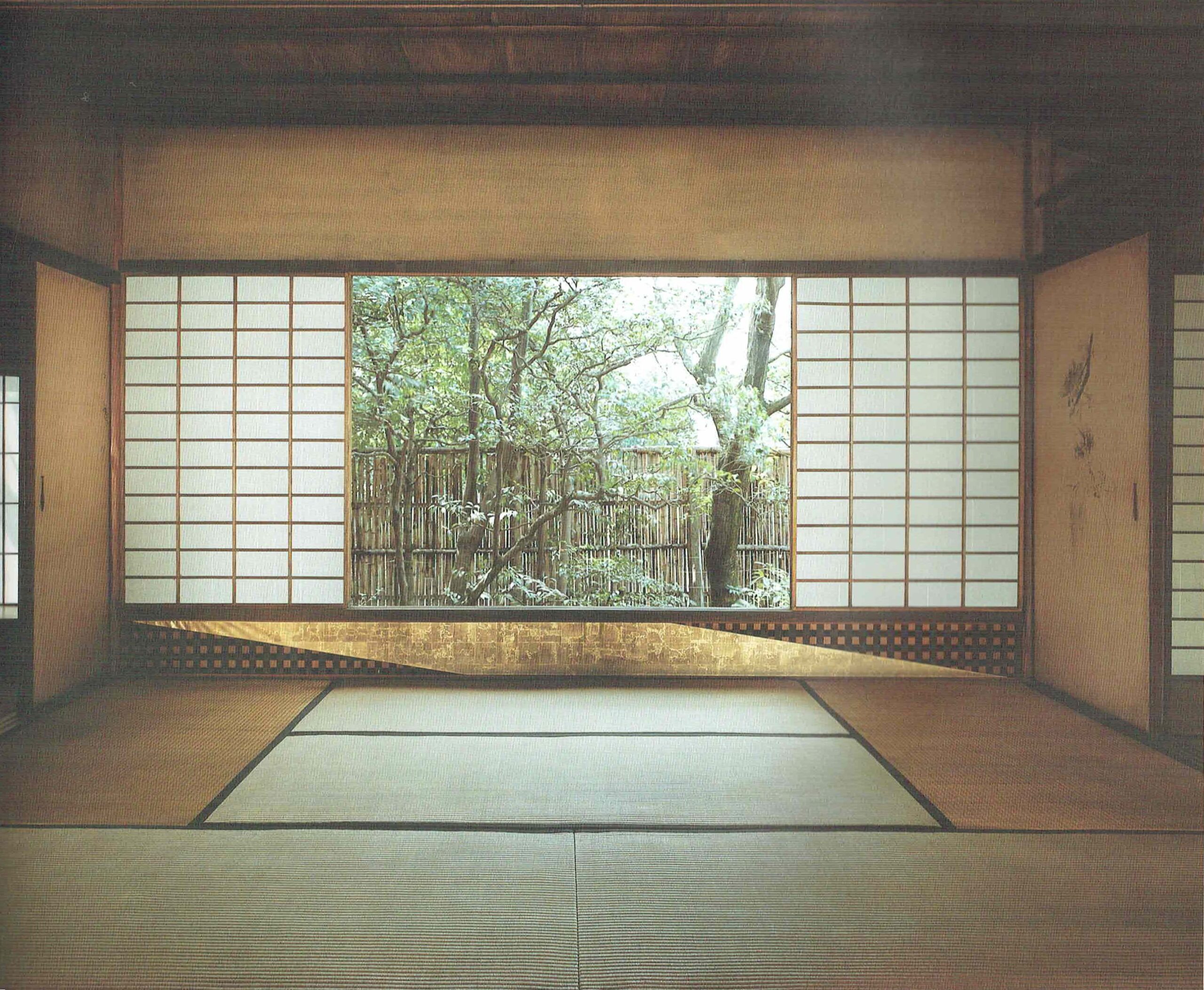
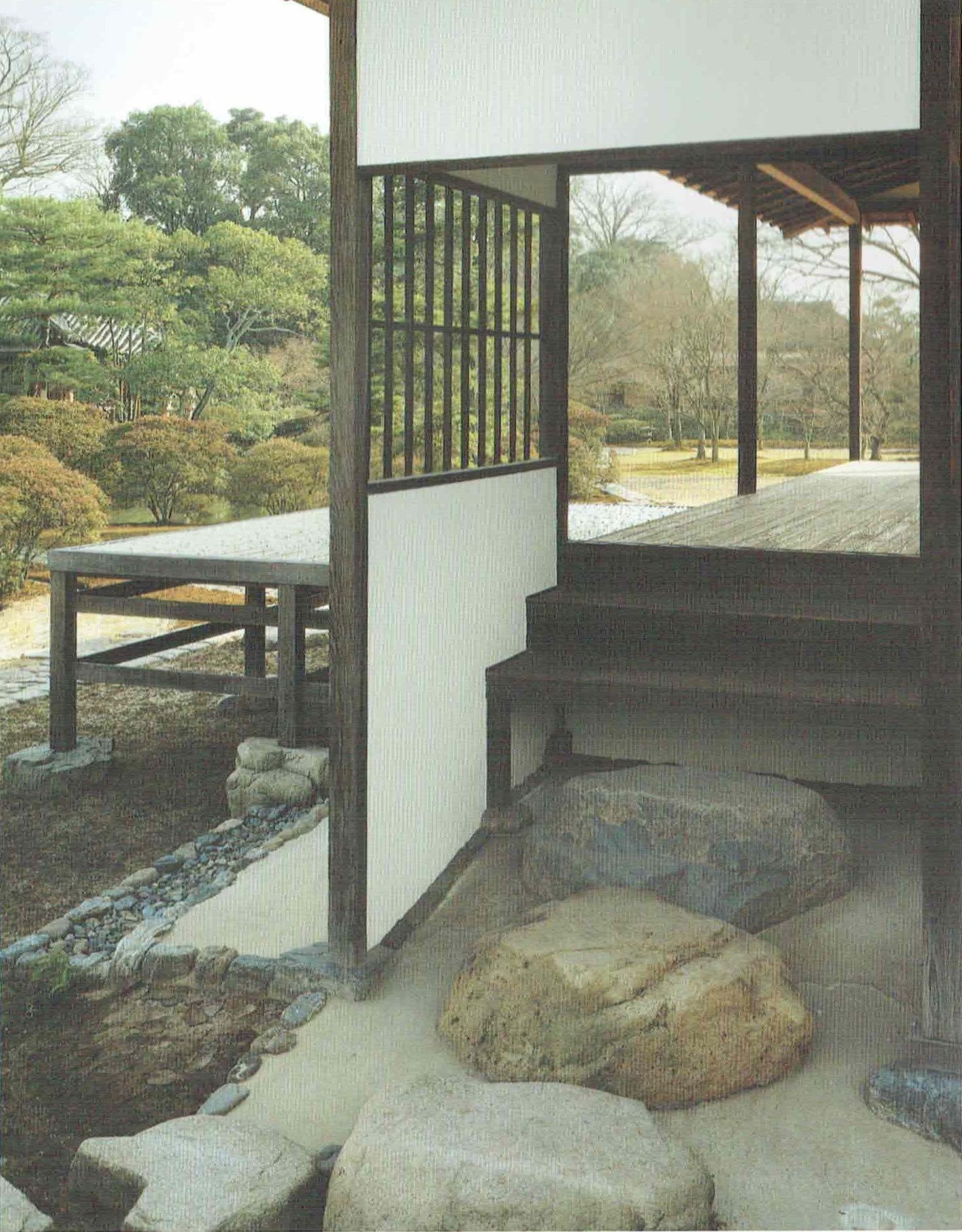
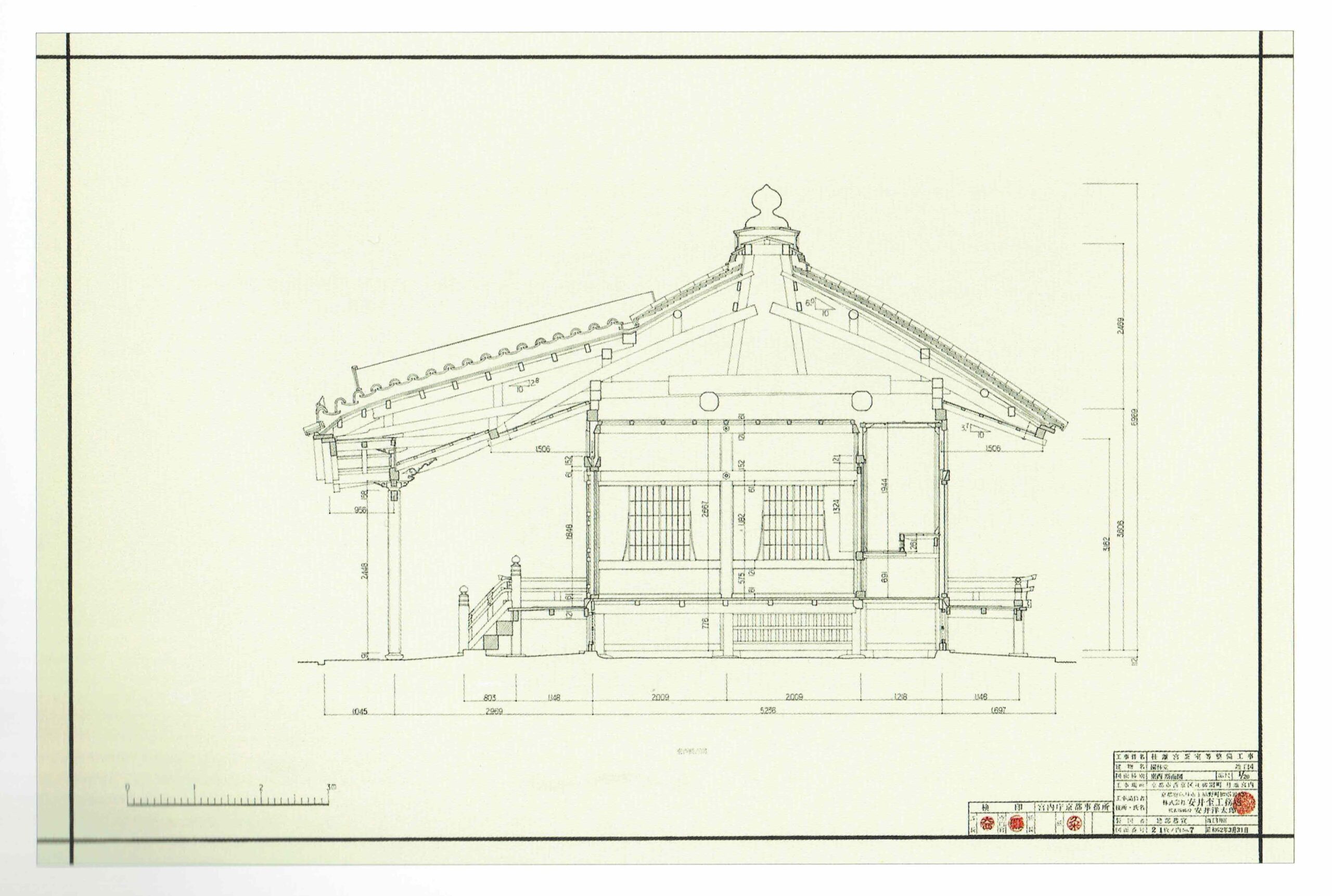
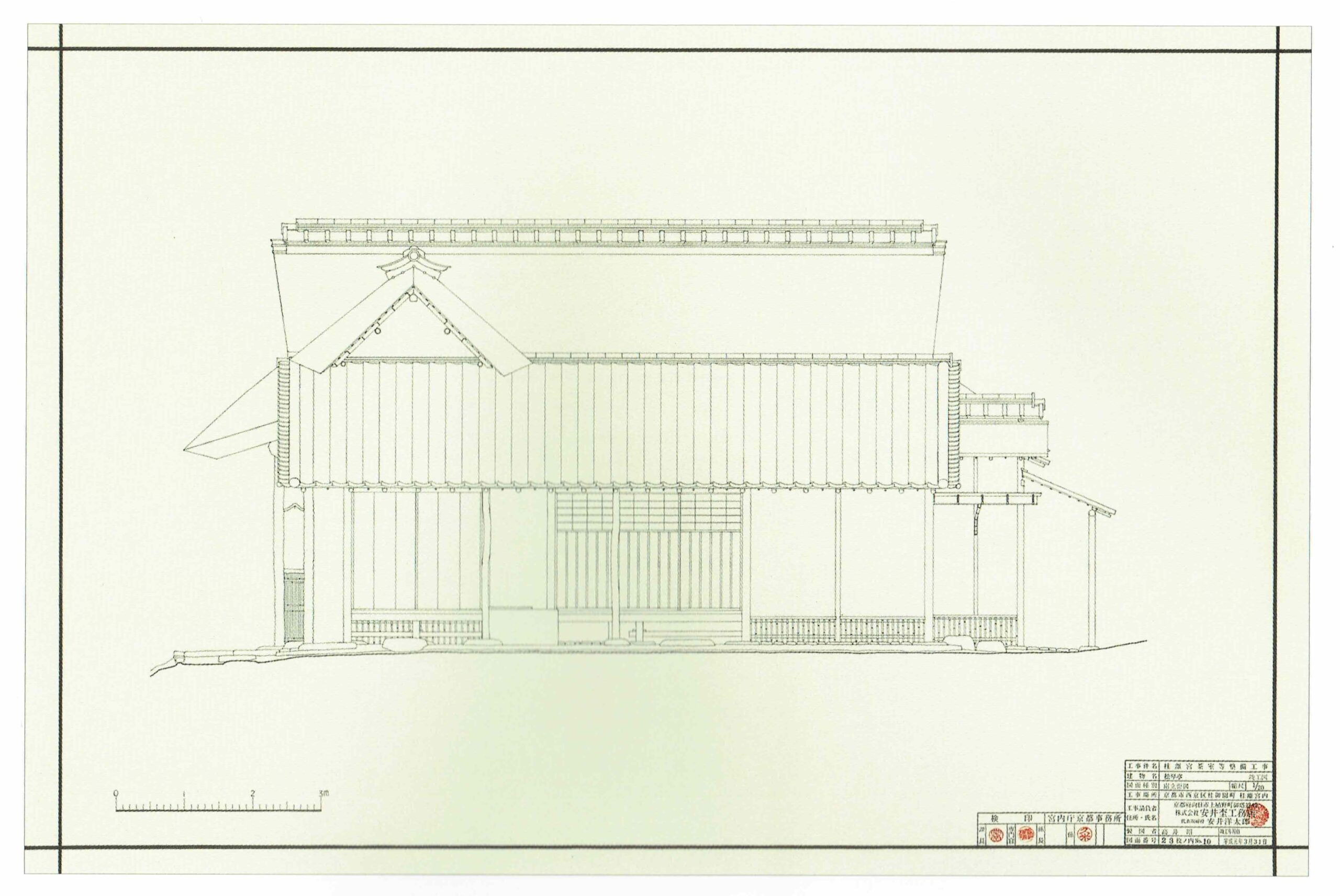
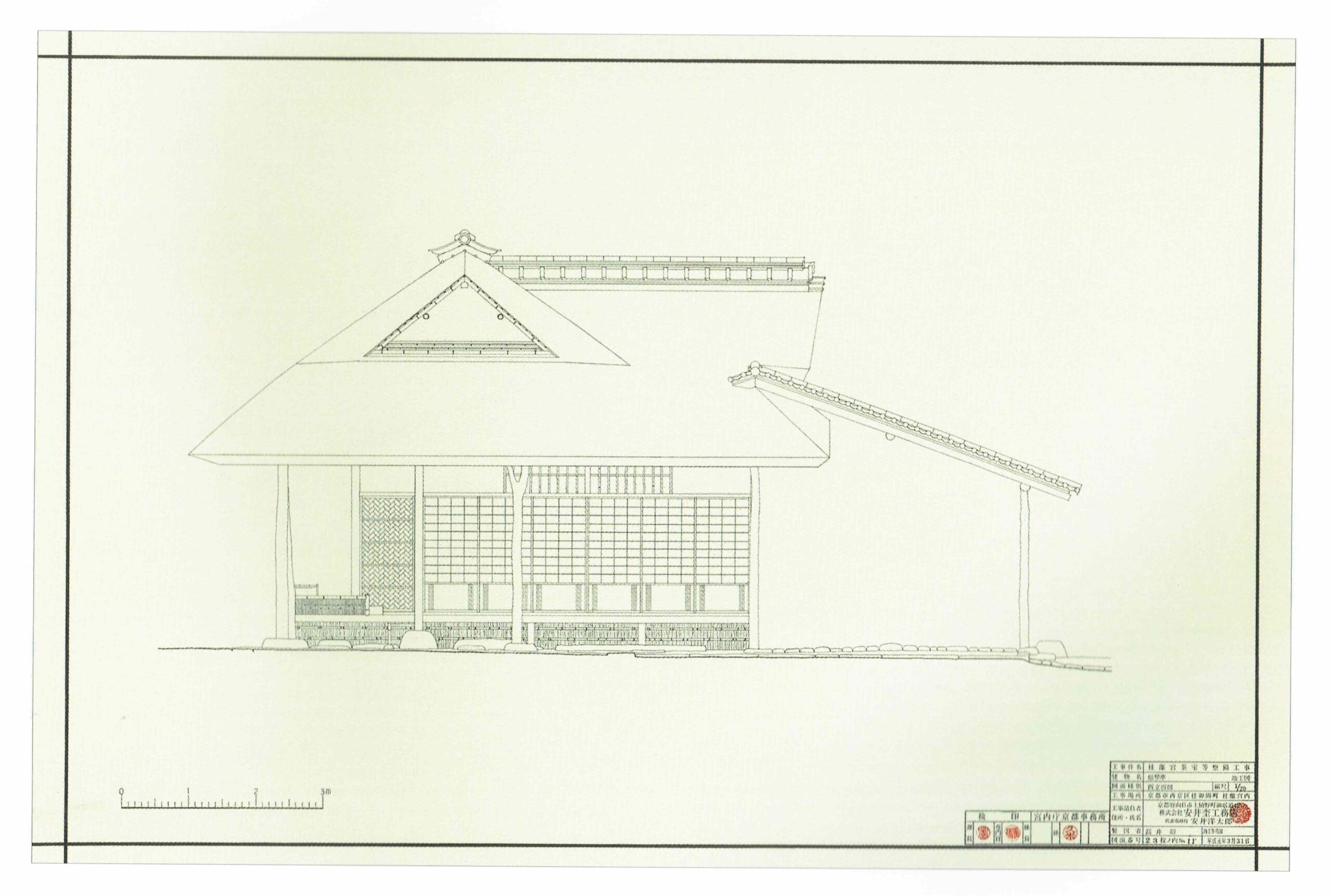
You enter the palace. It is impossible to describe the harmonious simplicity of the arrangement of the space. You can only talk about the wonderful concord between the wood, the plasterwork, the restrained paintings, the wallpapers. The most extraordinary thing to the eyes of an unfamiliar visitor is the silence that reigns in the rooms when the window-doors lined with paper are closed, while when they are open the “picture” of the garden like a part of the house bursts in on you all at once with an overwhelming effect. The presence of the garden dominates the interior so much that all the surfaces of the walls appear designed to reflect it, and the reflection is especially vivid in the opaque gold and silver of the sliding partitions. […]
Japanese Diary, 1933
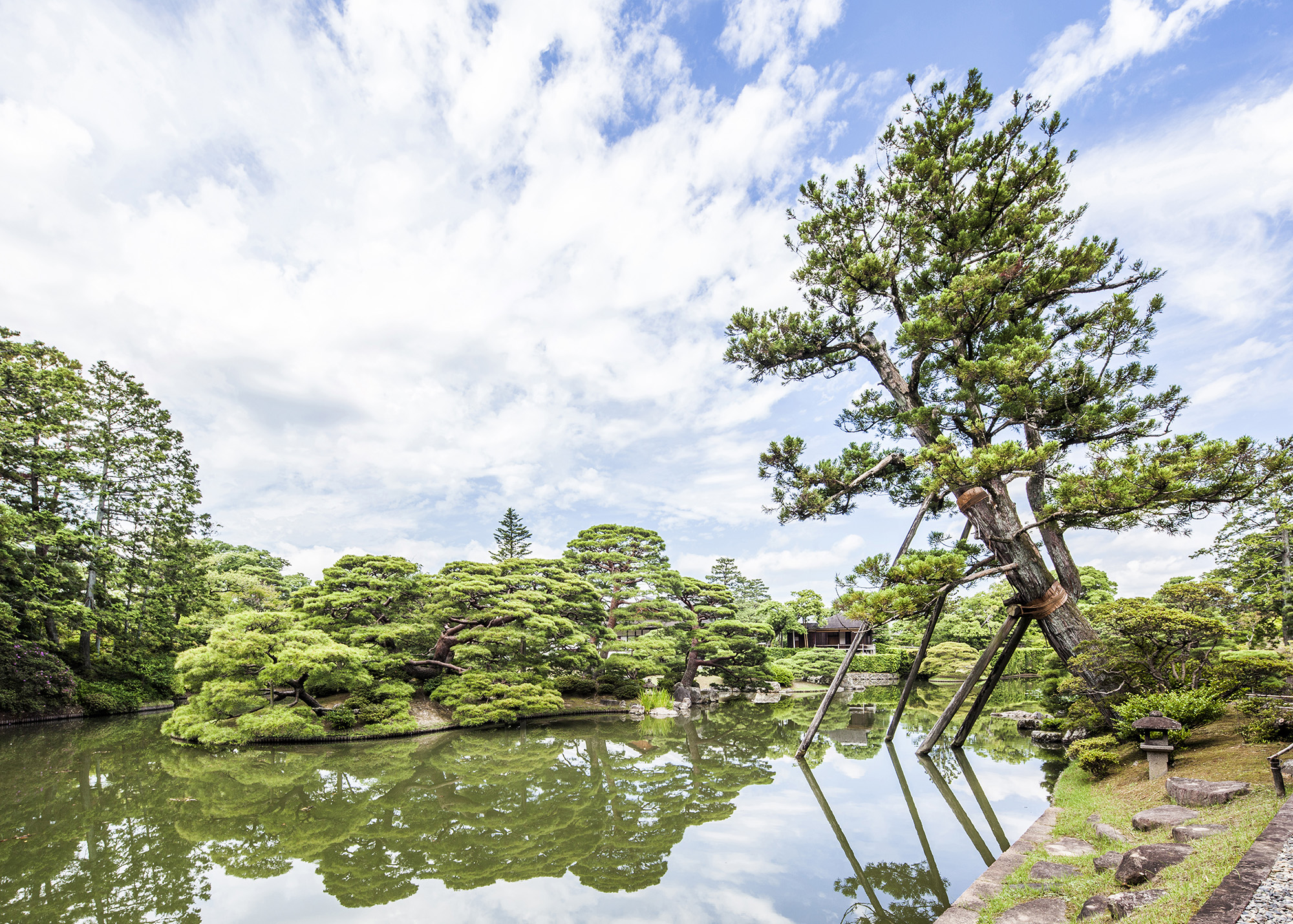
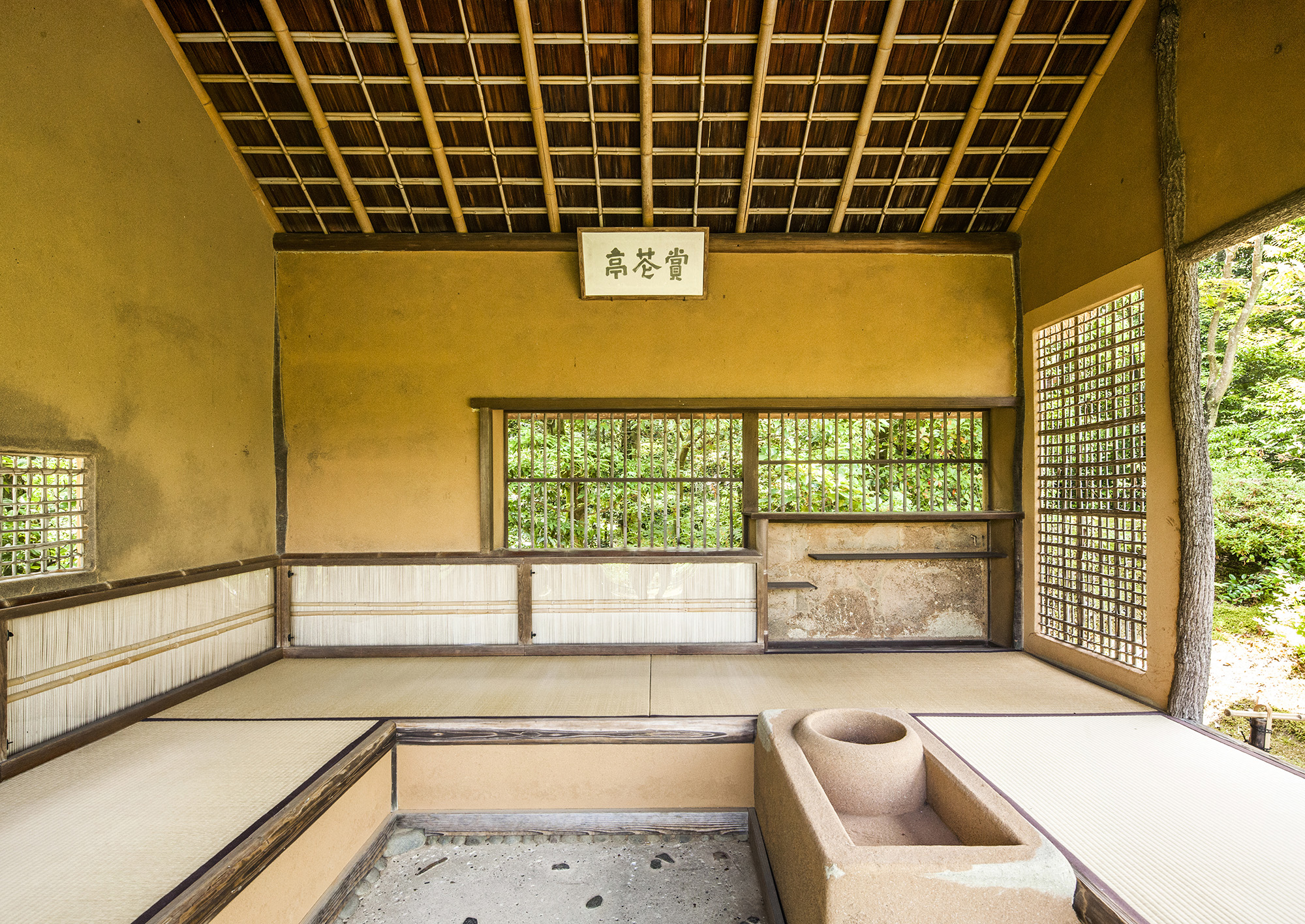
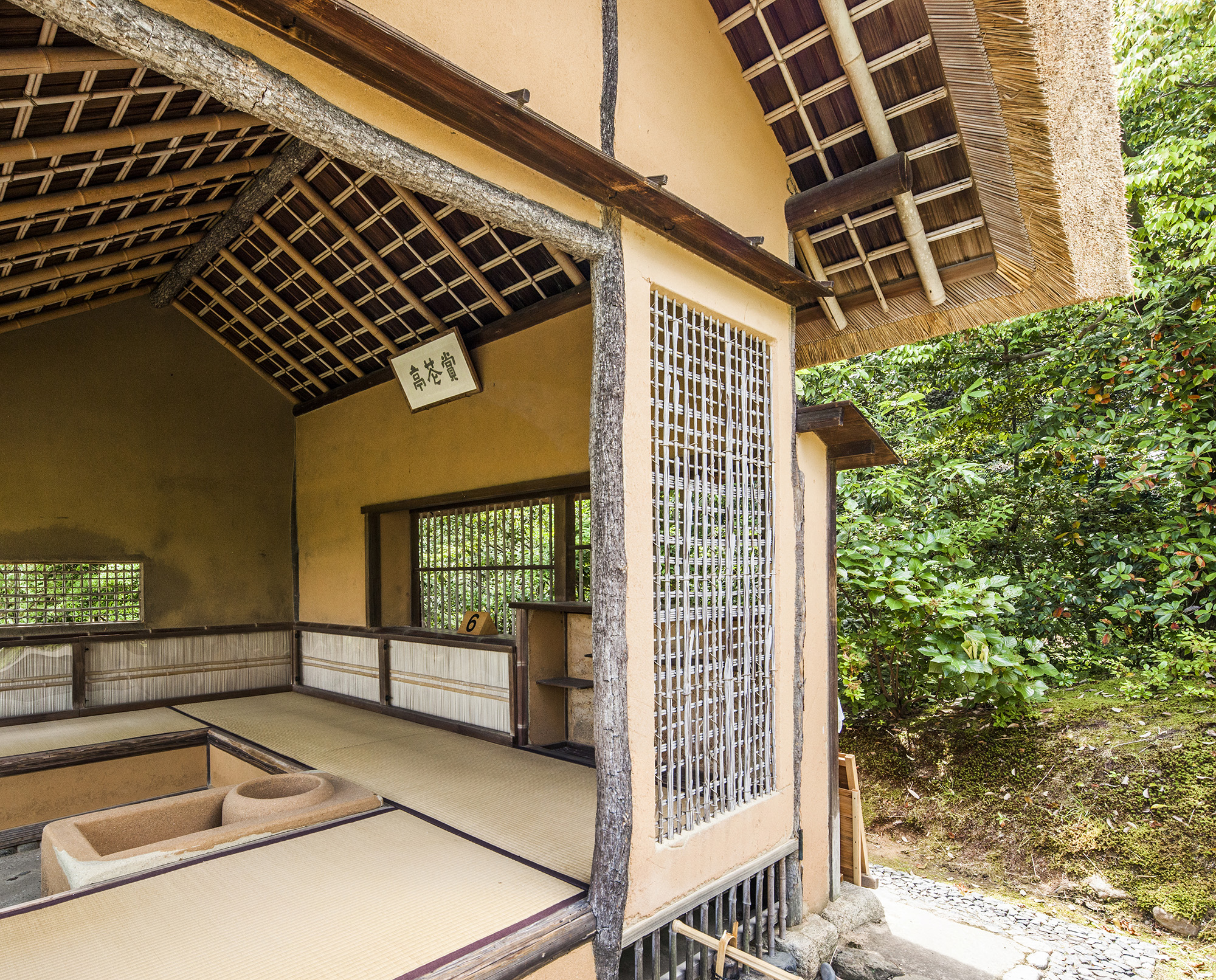
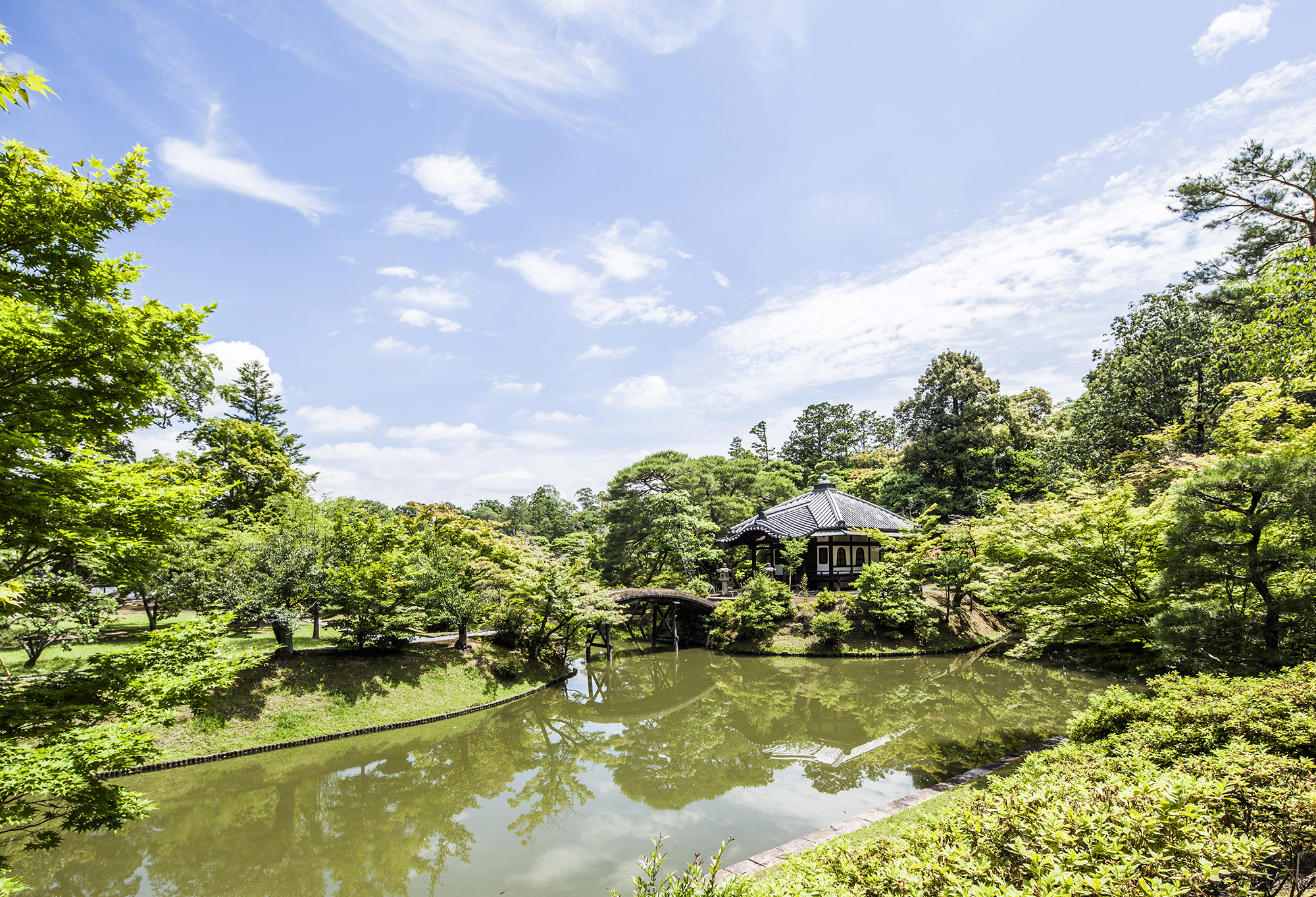
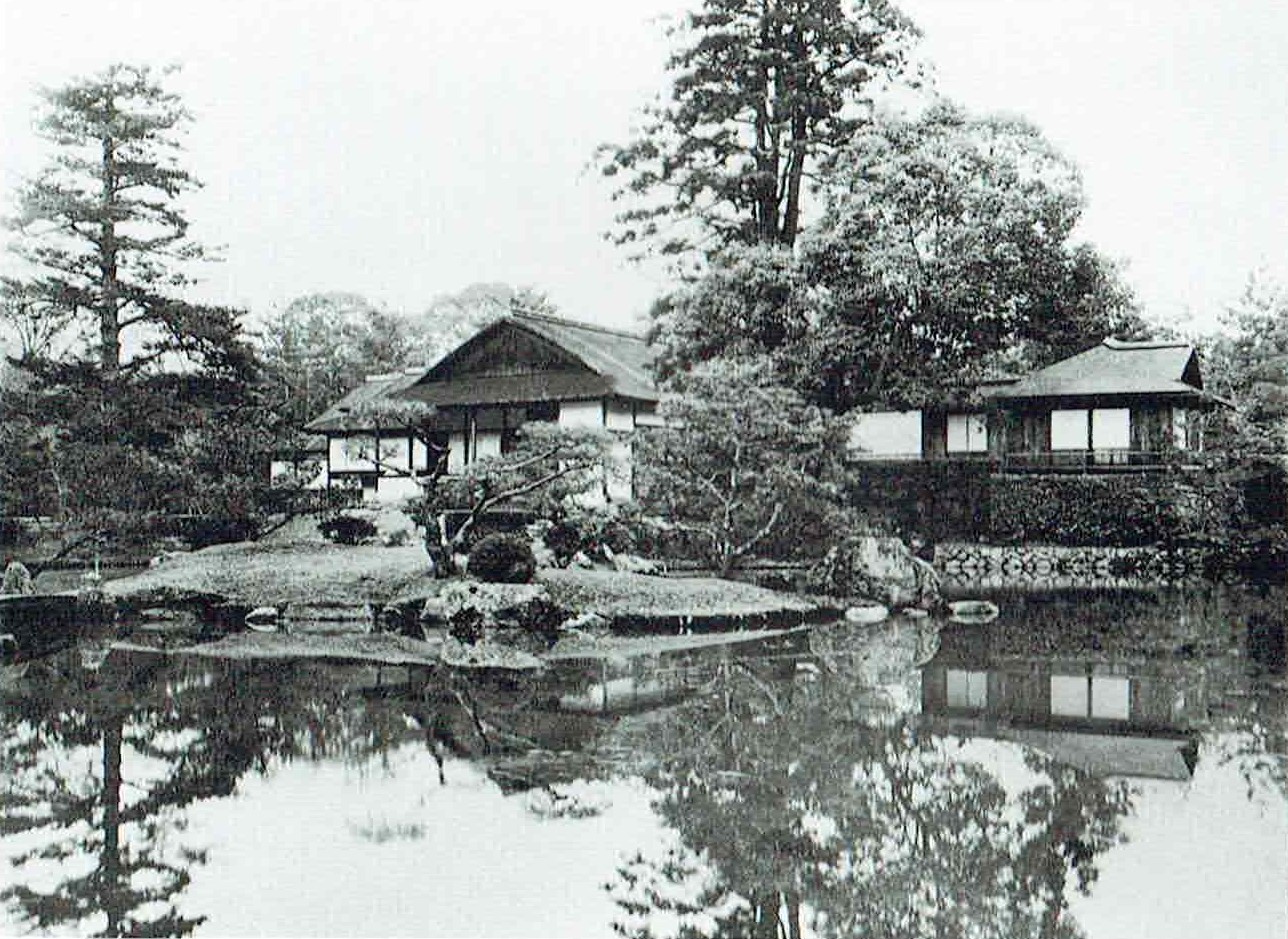
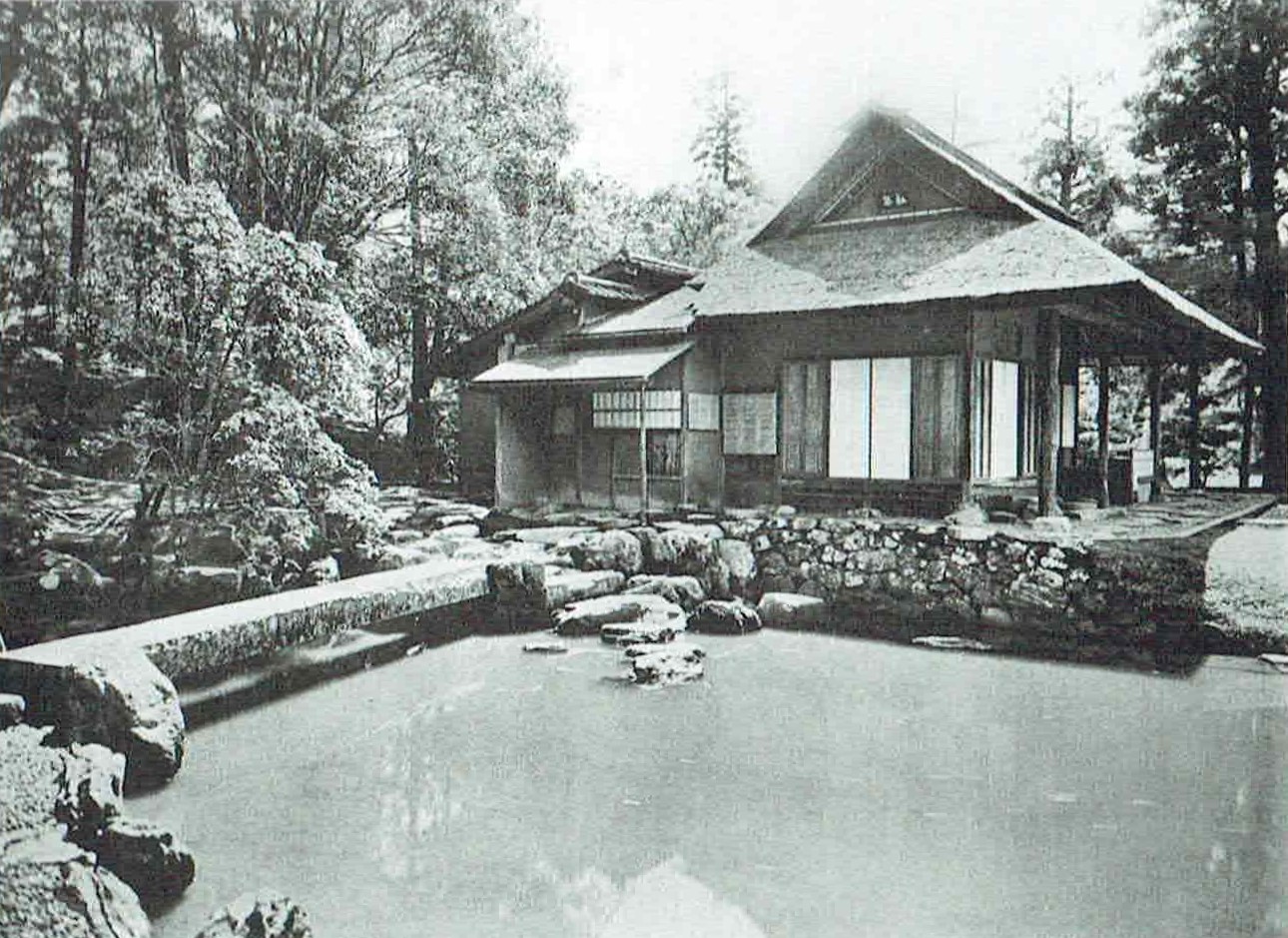
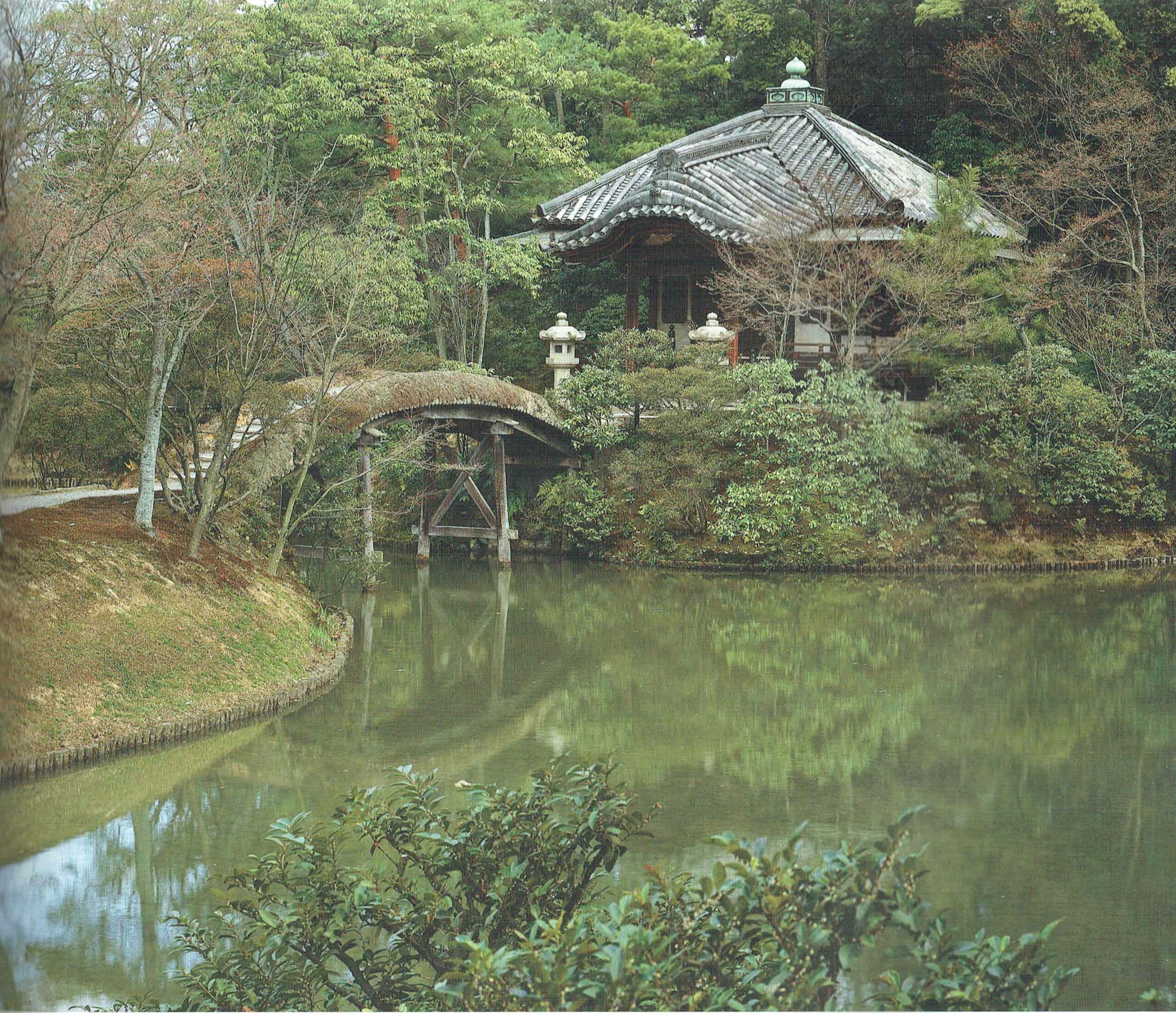
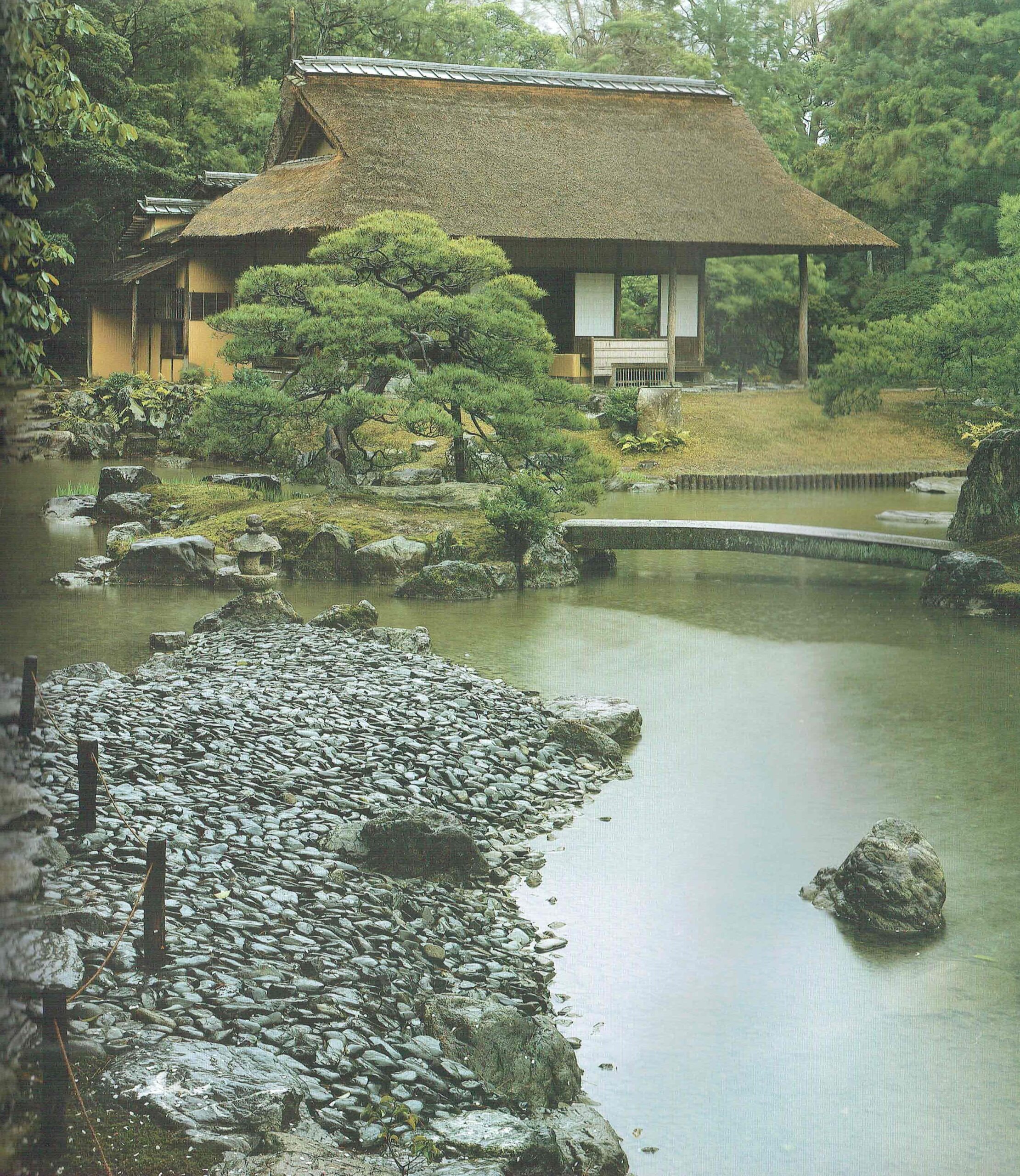
Anterooms, waiting room, platform made of bam- boo, park! Moon-Viewing Platform! So beautiful it moves you to tears: movement of garden, landing stage set crosswise, azaleas, to the right-society, to the left-differentiation. Infinite and so rich in relationships that you are overwhelmed. Tortoises on the stones, heads in the sun, plunge into the water. […]
Beauty for the eye: eye transformer into spirituality. Thus Japan: visual beauty. […]”